Colmar
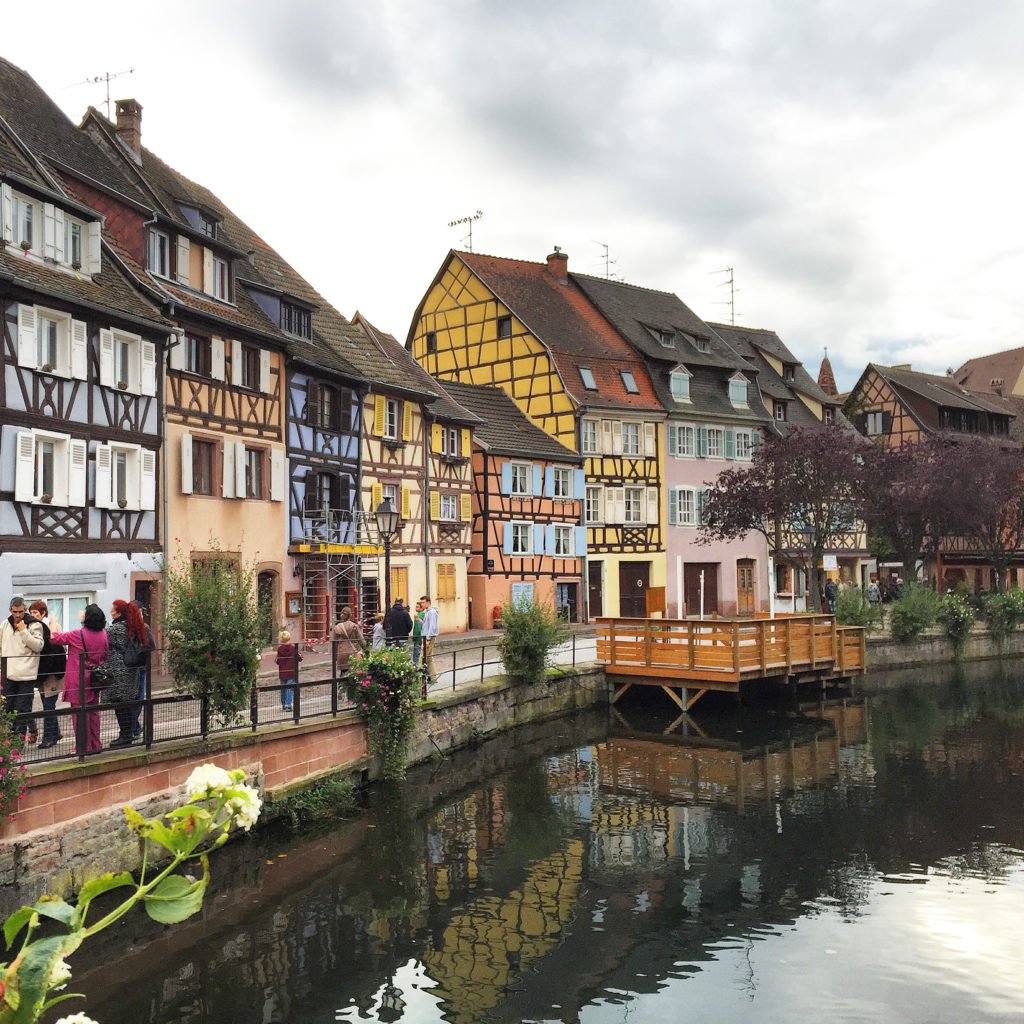
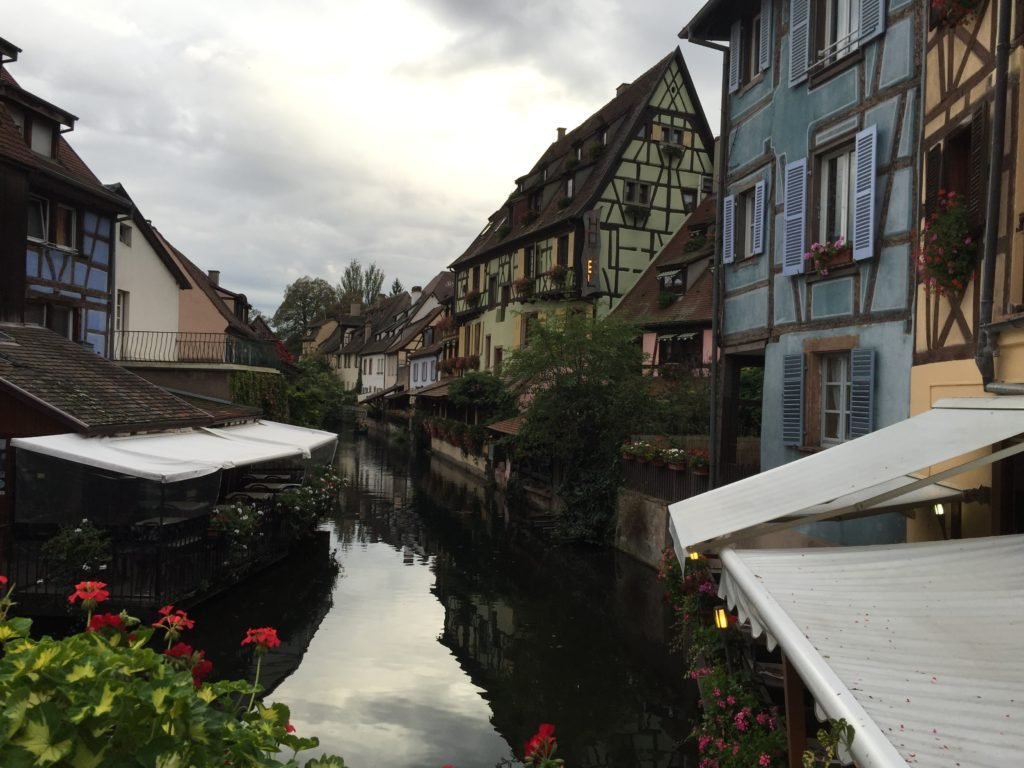
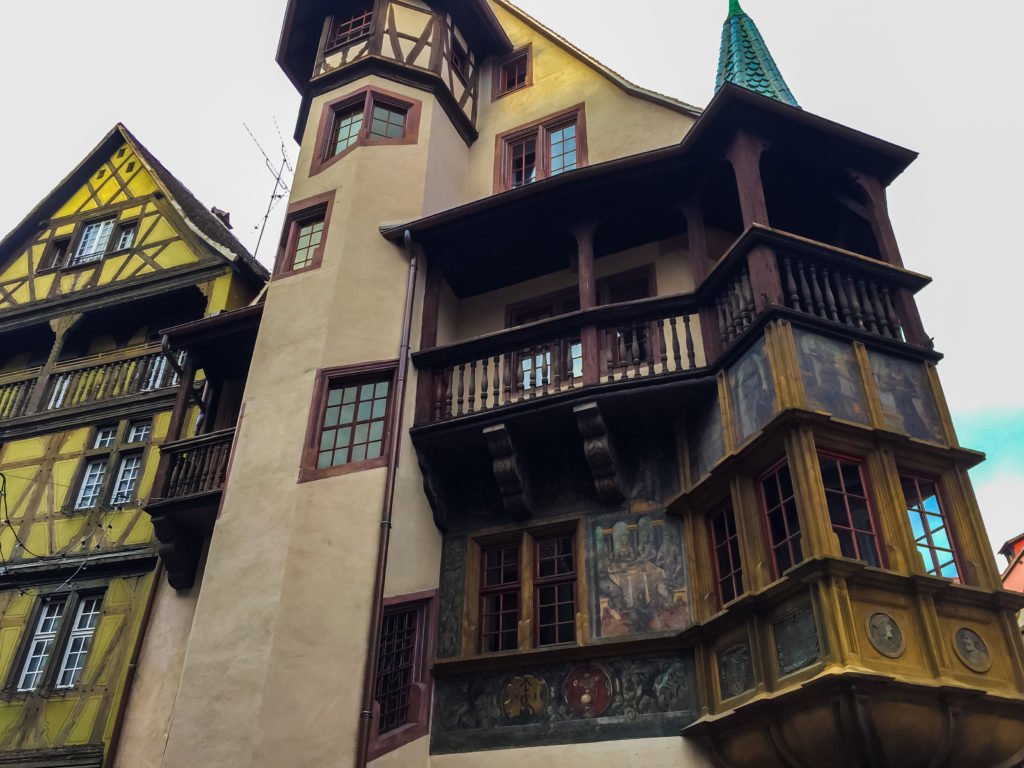
Colmar: beautiful and French-food-smelling!
Colmar: beautiful and French-food-smelling!
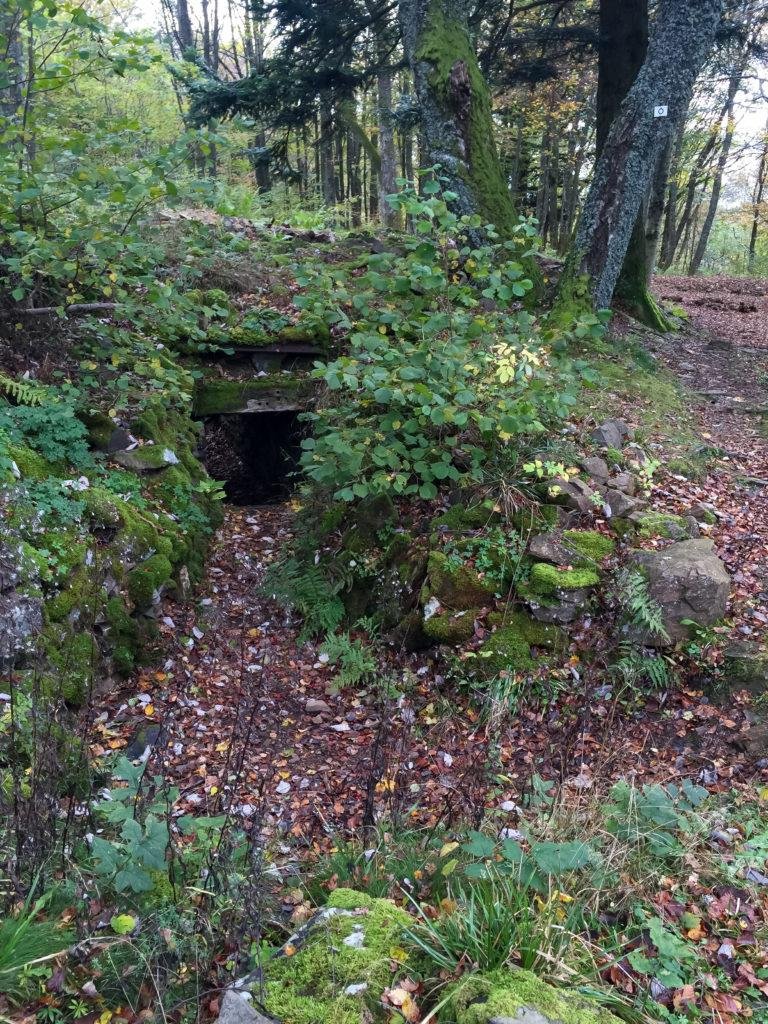
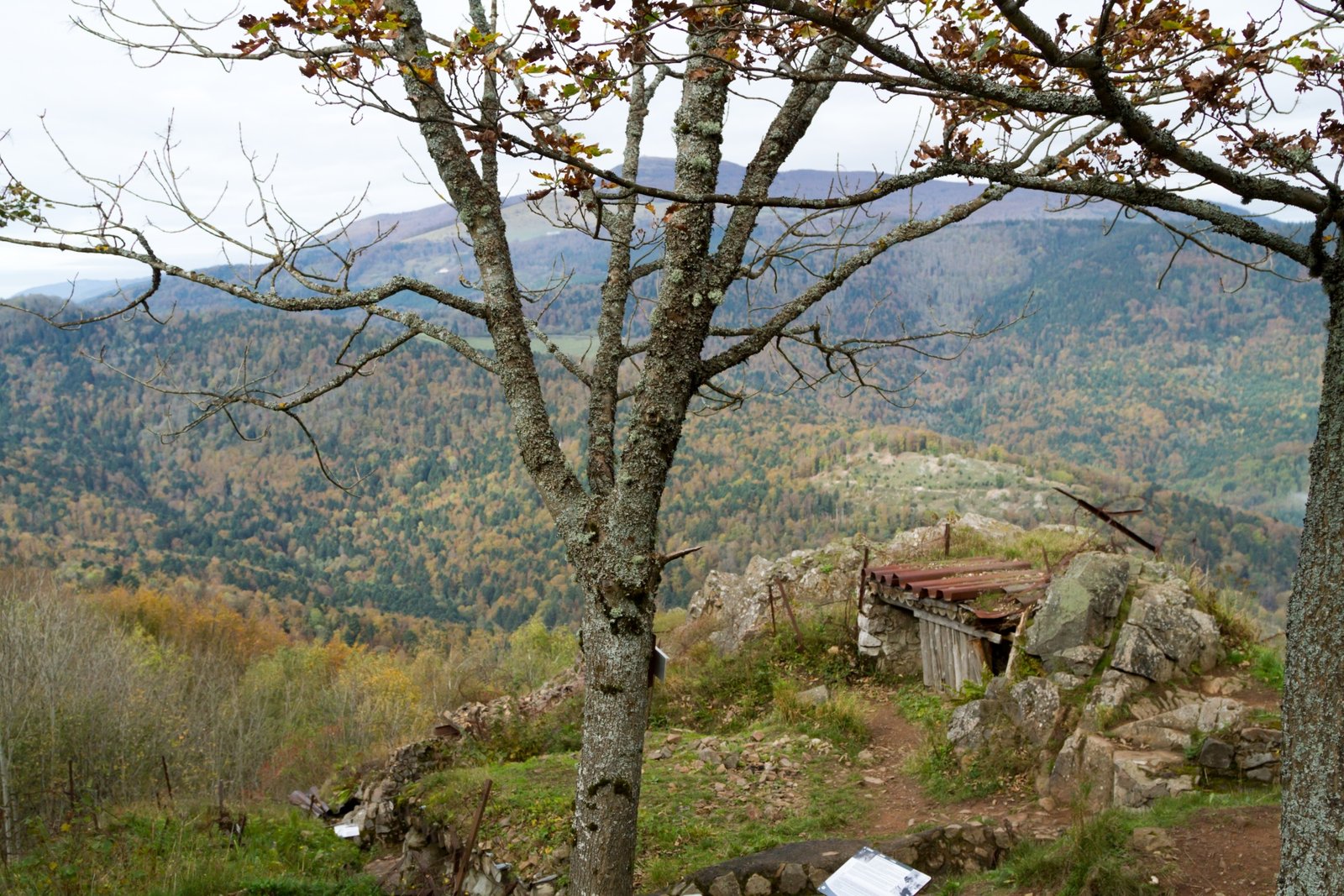
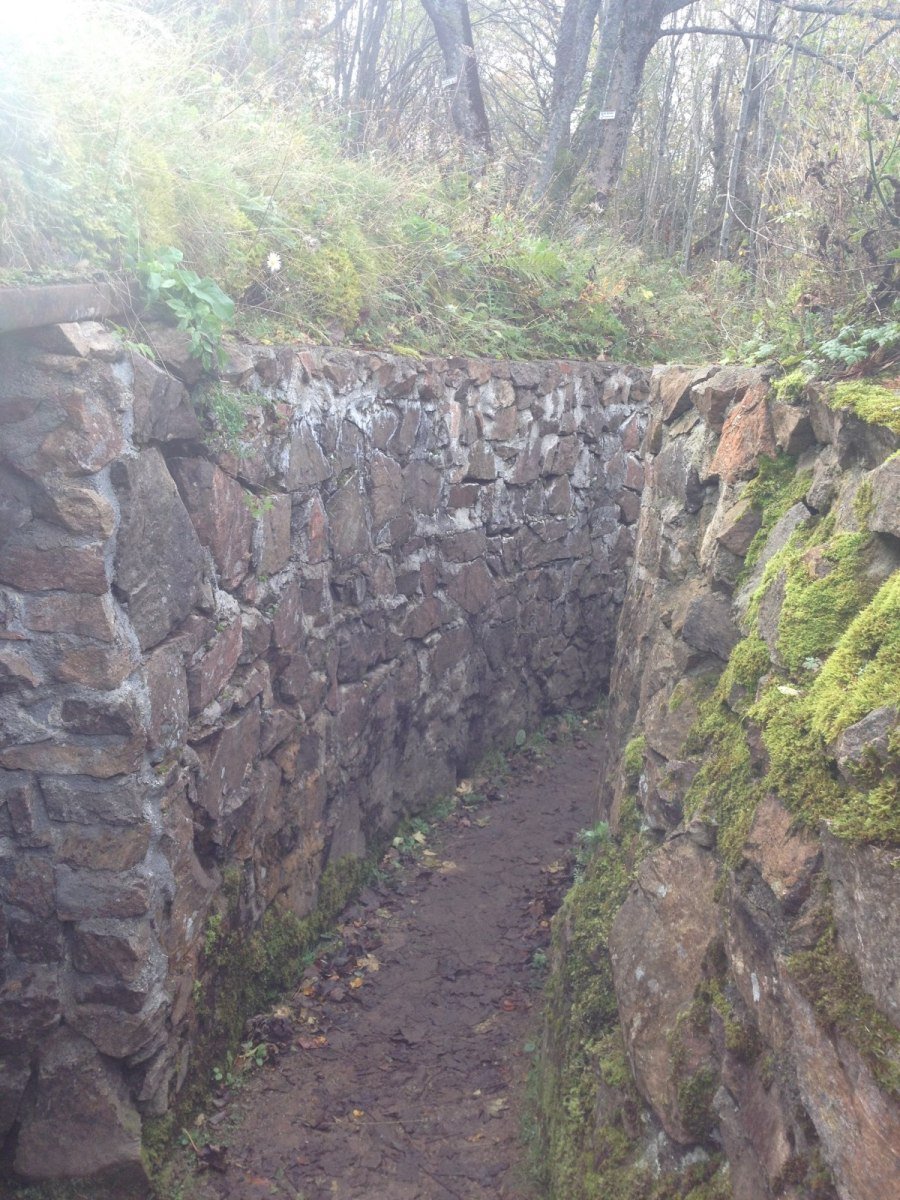
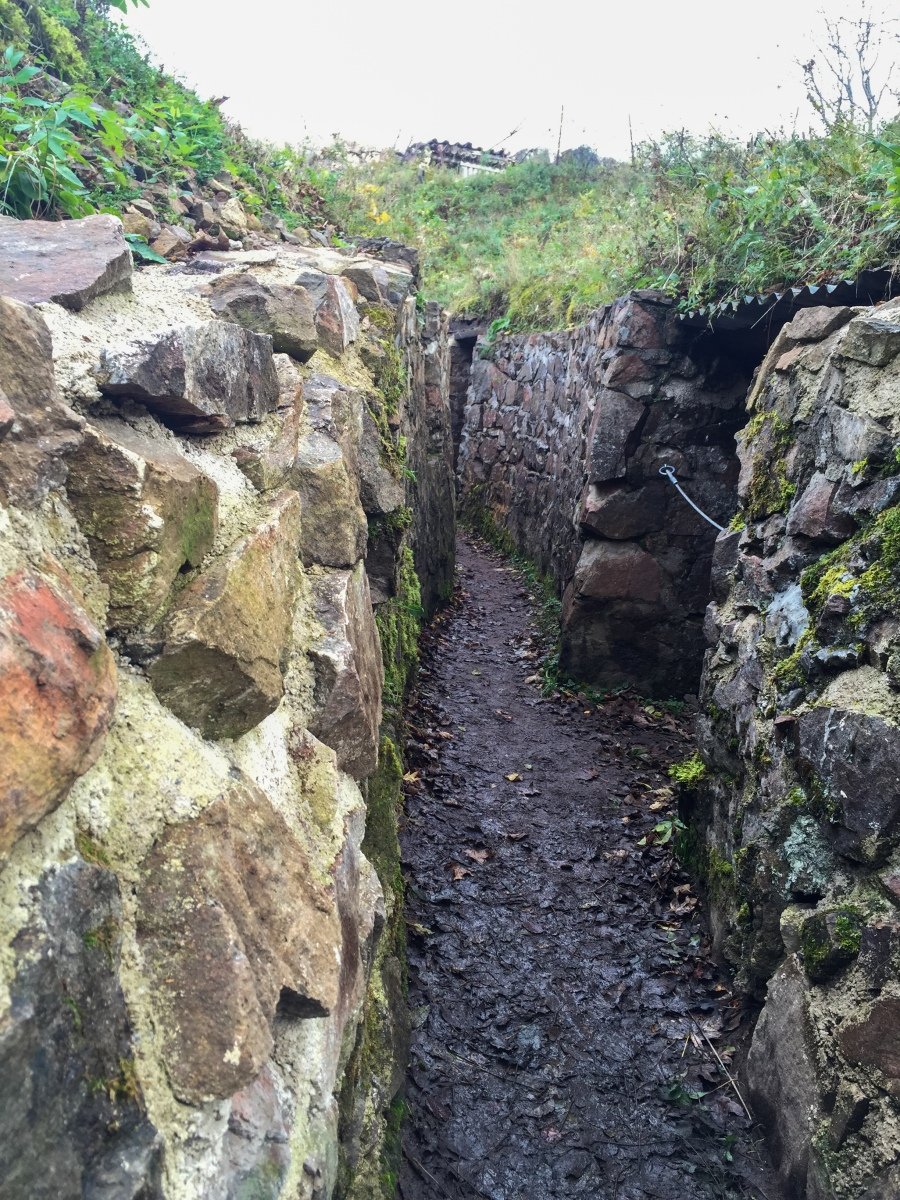
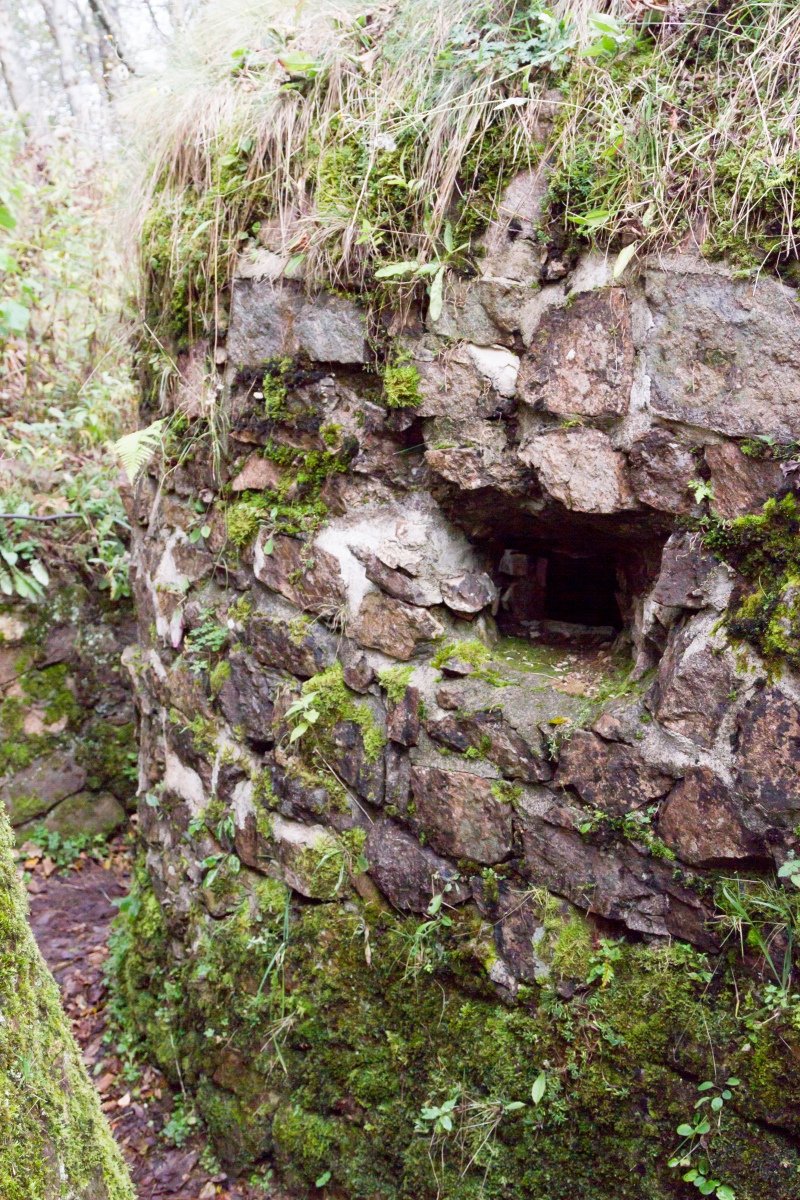
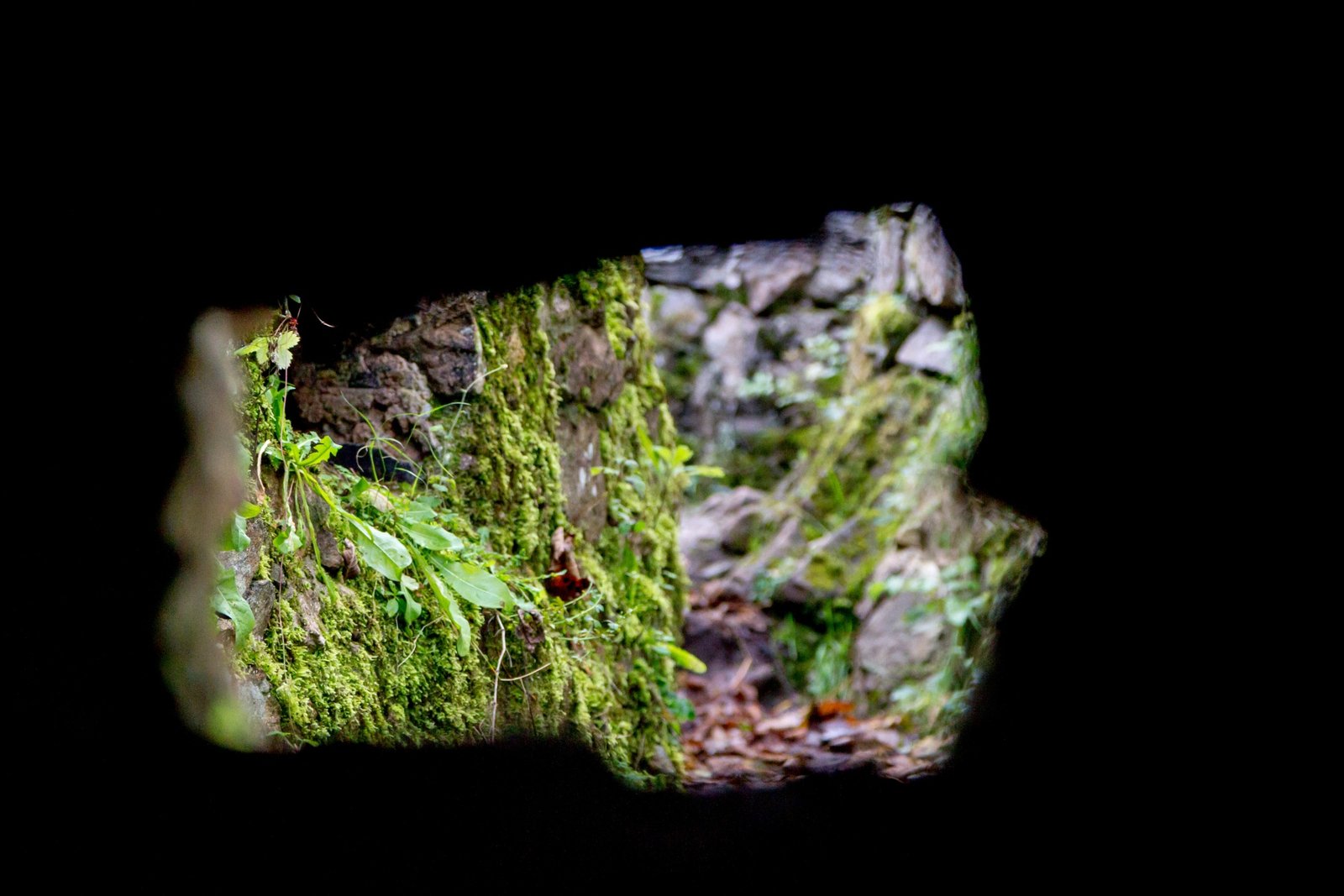
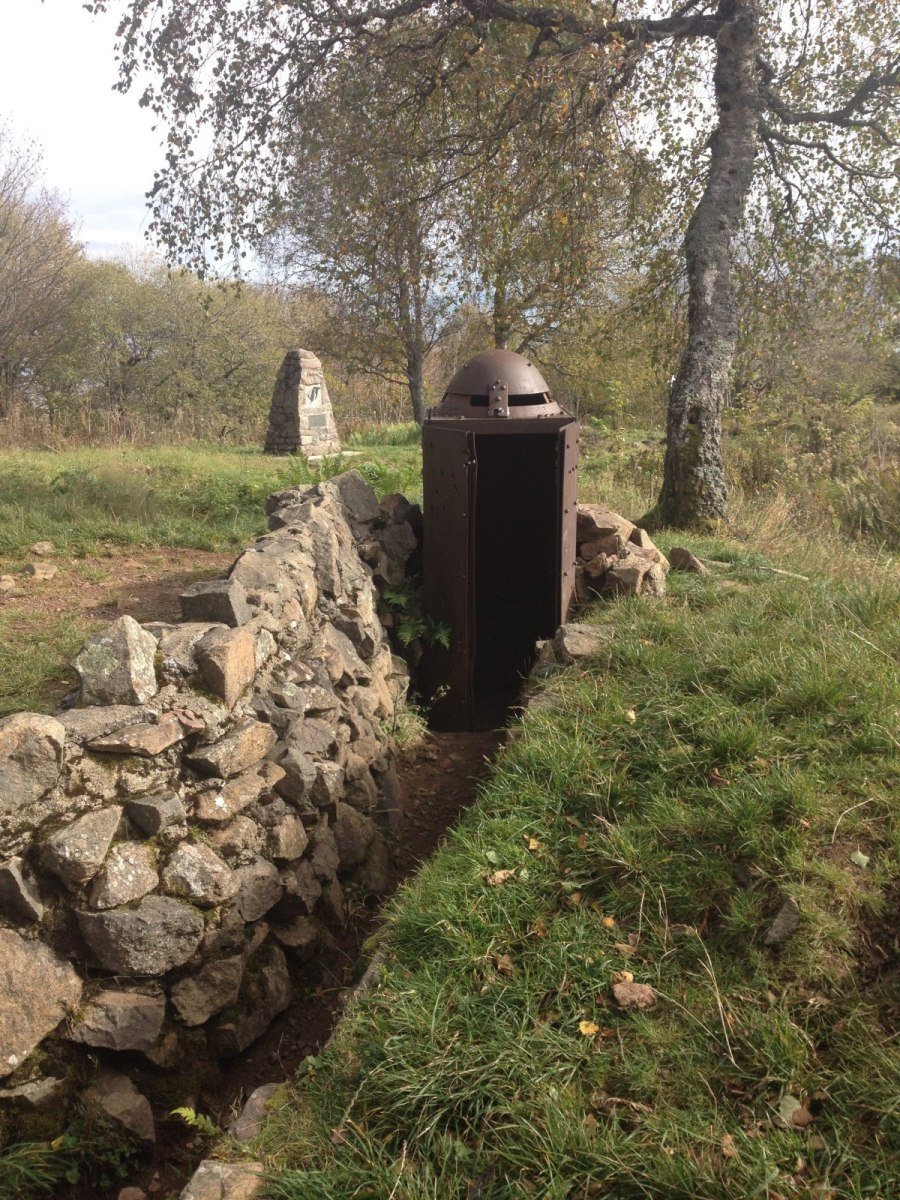
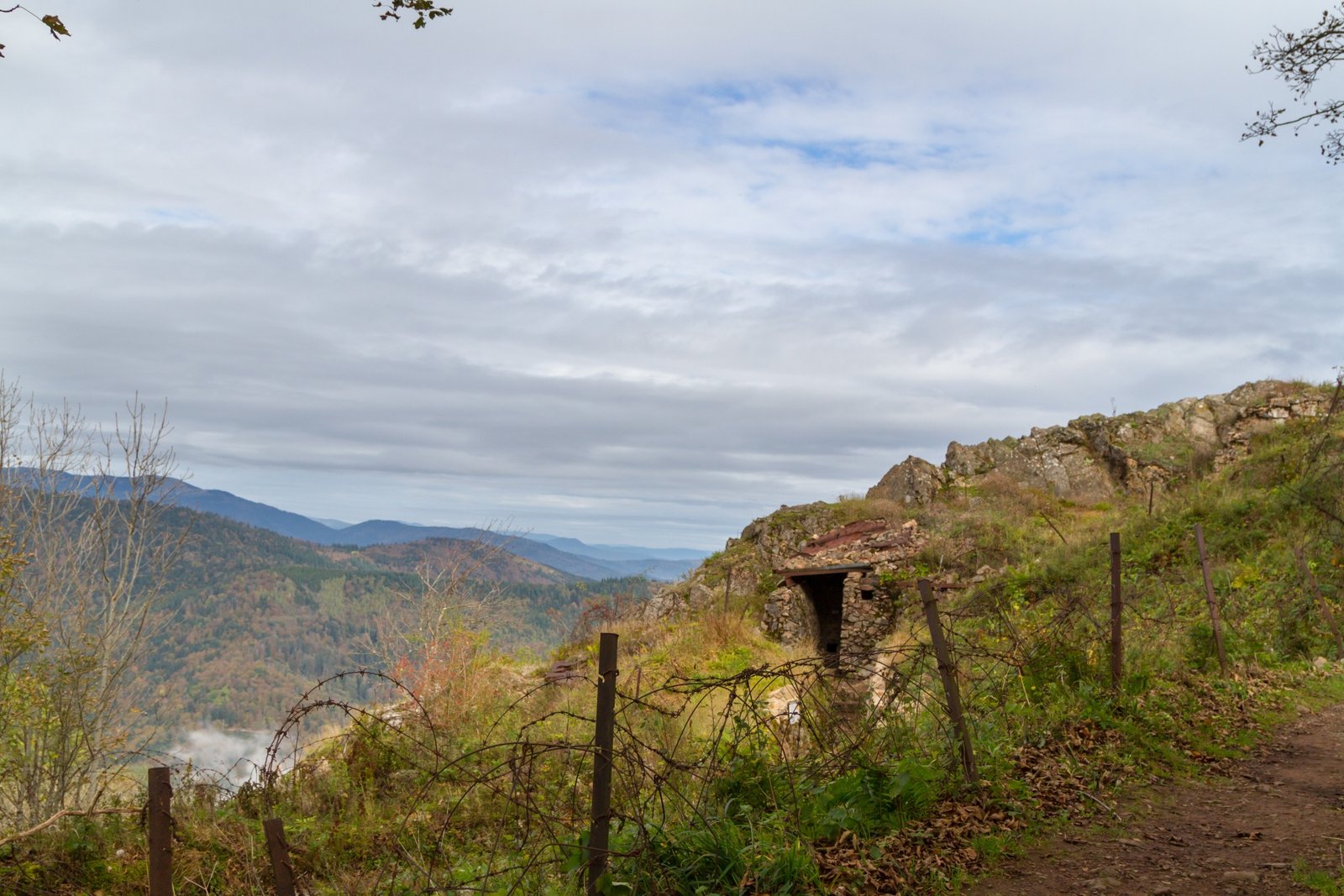
There were so many places where I would have been shot and killed well before realising there was a little gun sized hole pointing right at me. This is a French one, the German ones were far more terrifying and frequent.
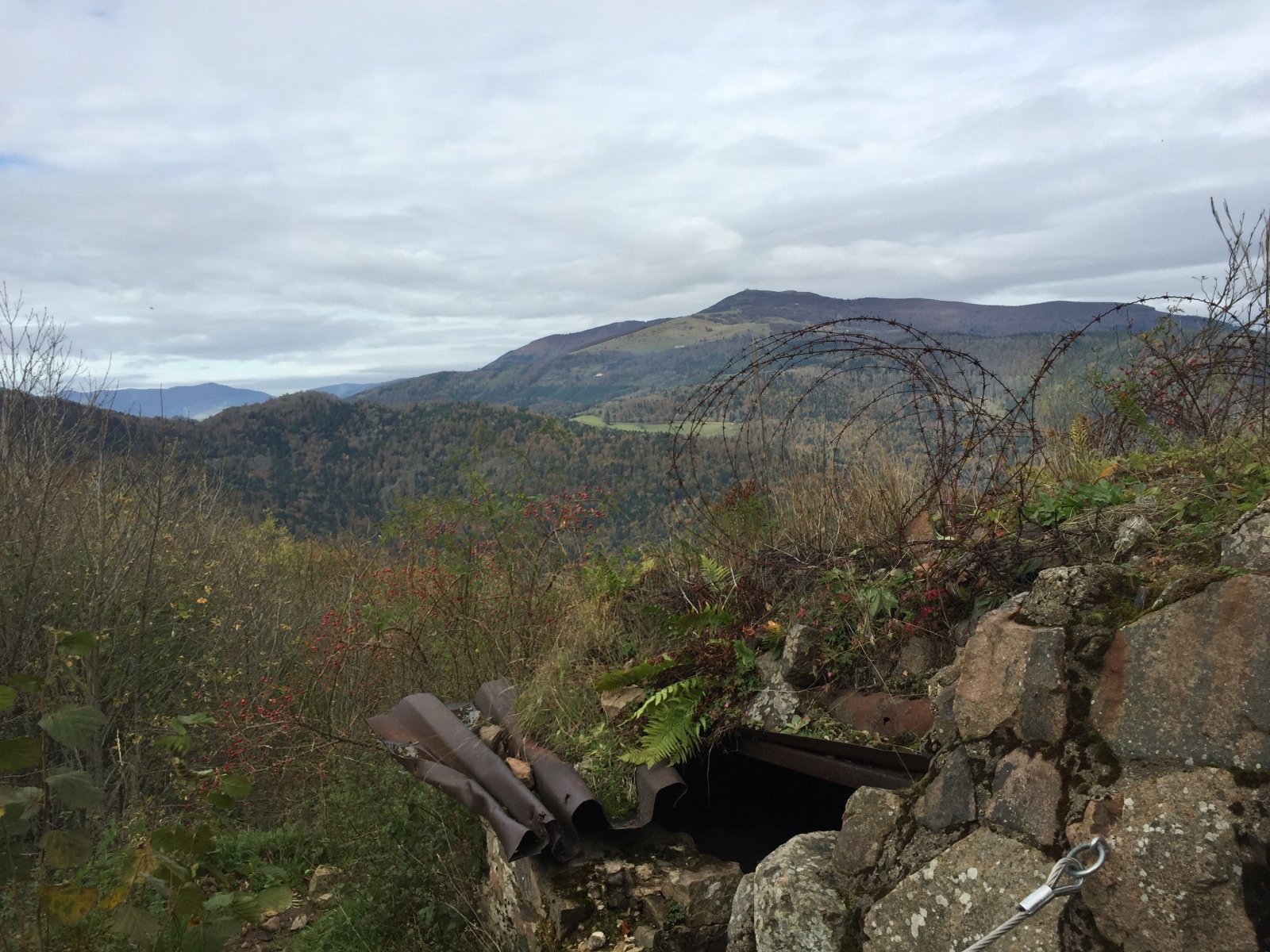
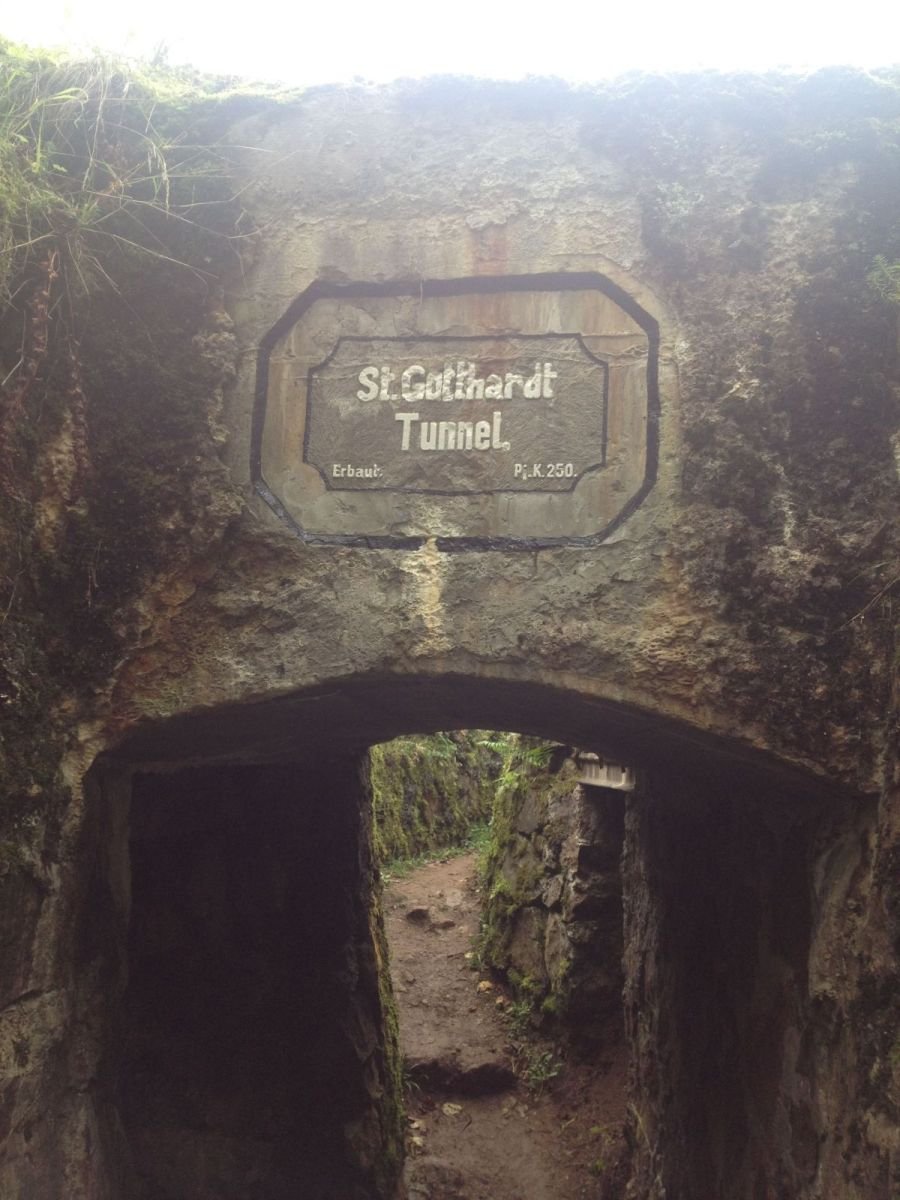
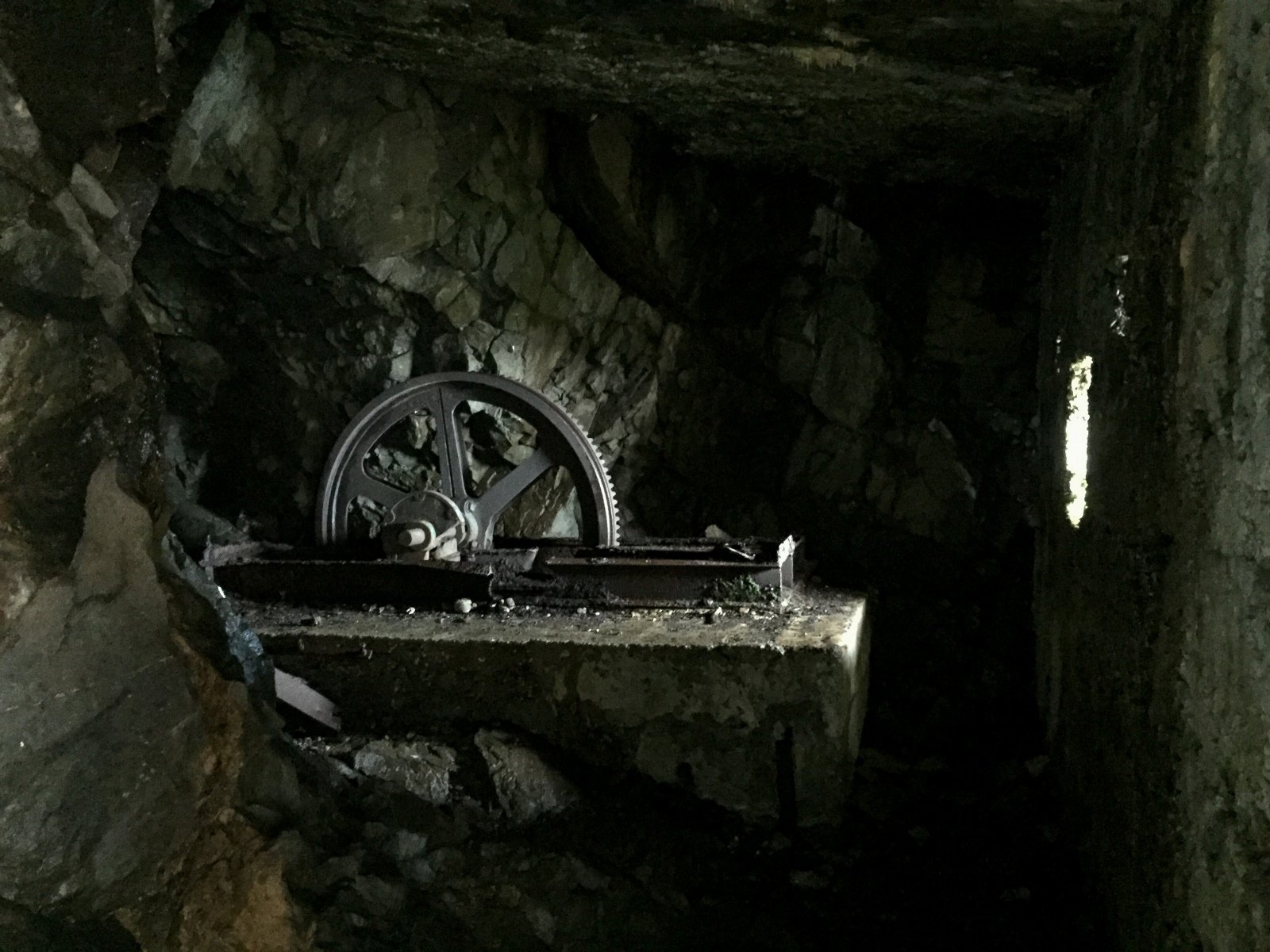
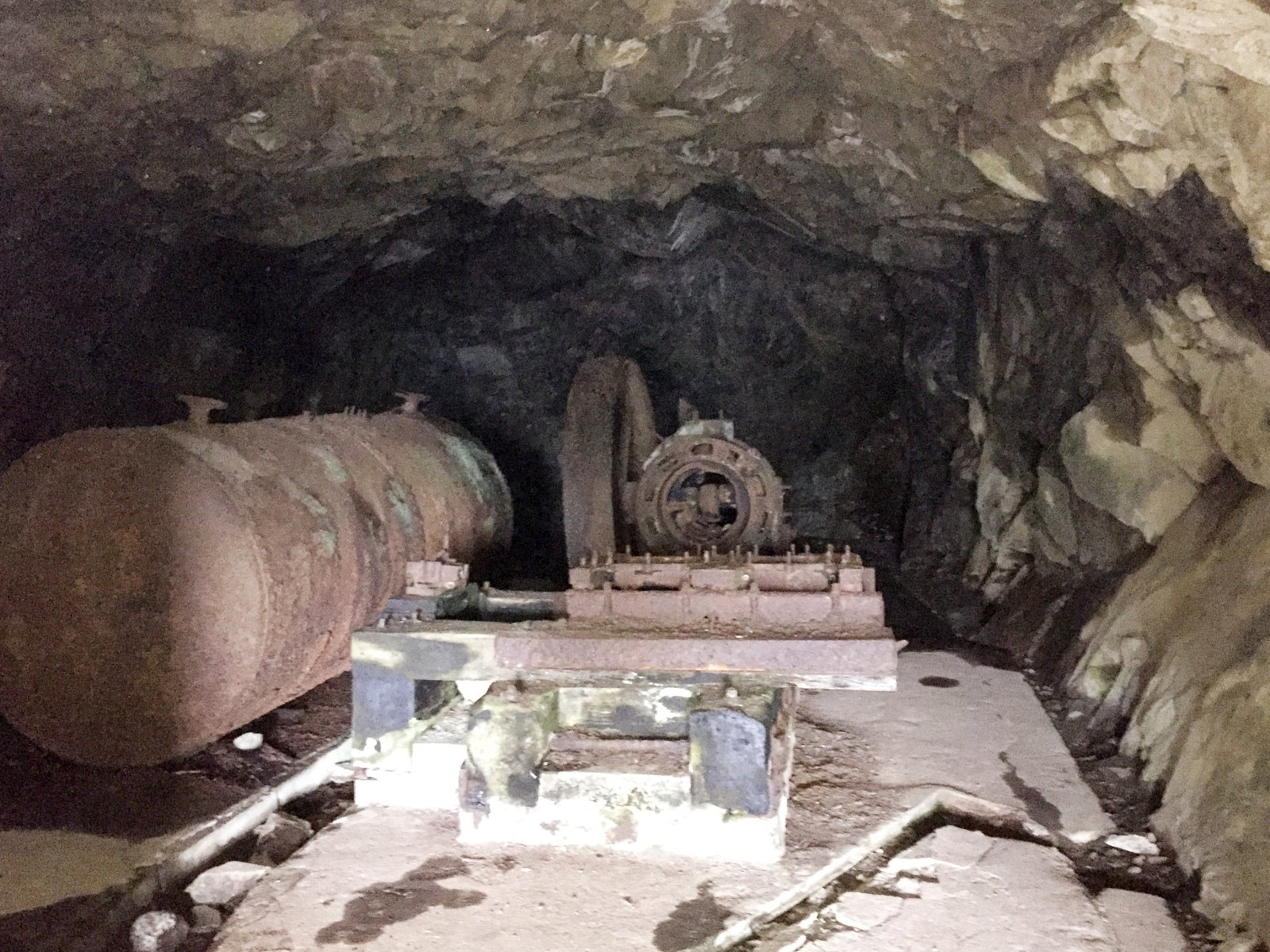
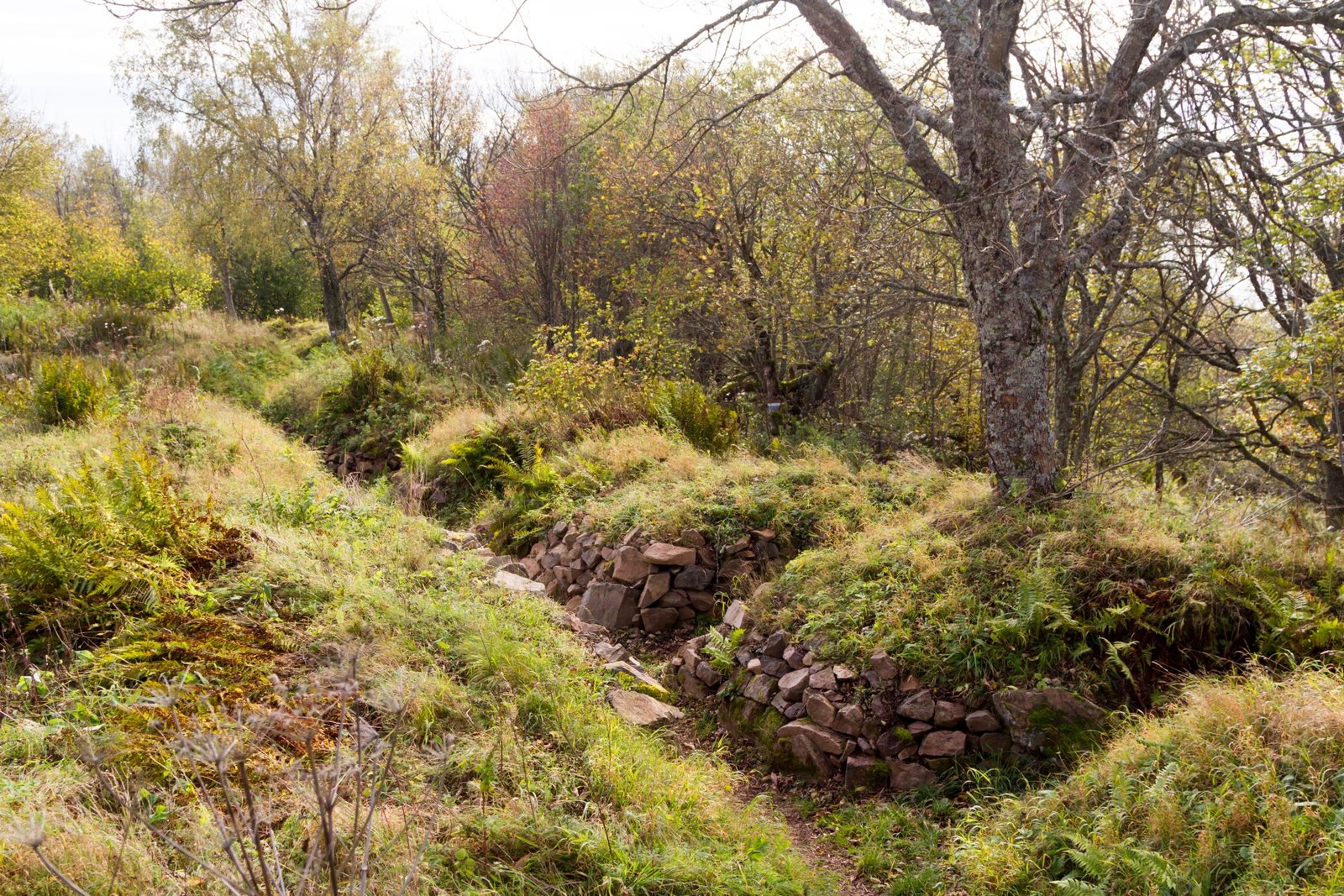
WWI trenches and infrastructure. This is all from the German side because the French wasn’t as good. Not that I’m biased… The last two photos are the wheel from the cable car and the compressor for the pneumatic all drilling tools. No sign of a current pressure vessel inspection certificate(!).
The next day we drove back to France. This time much further.
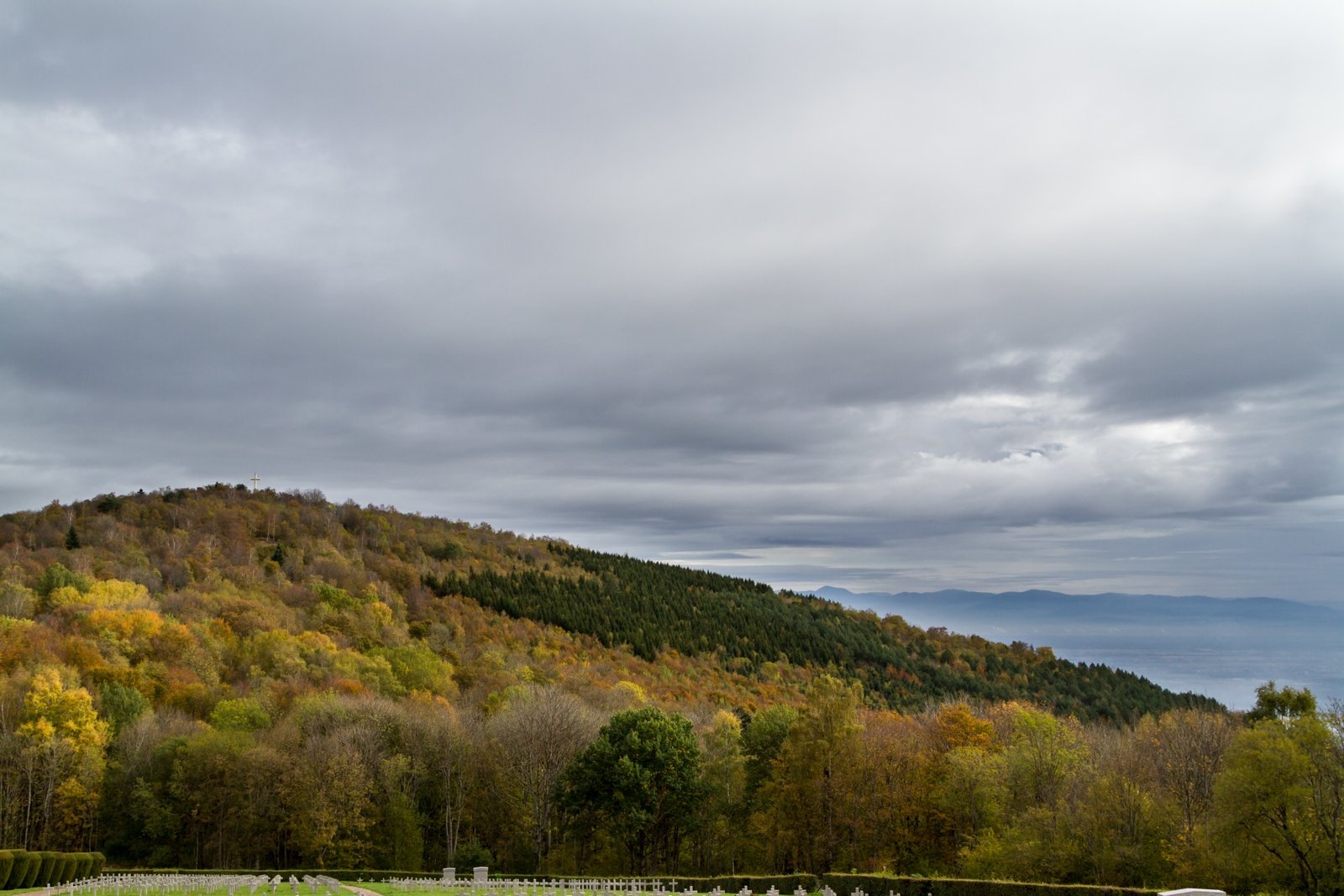
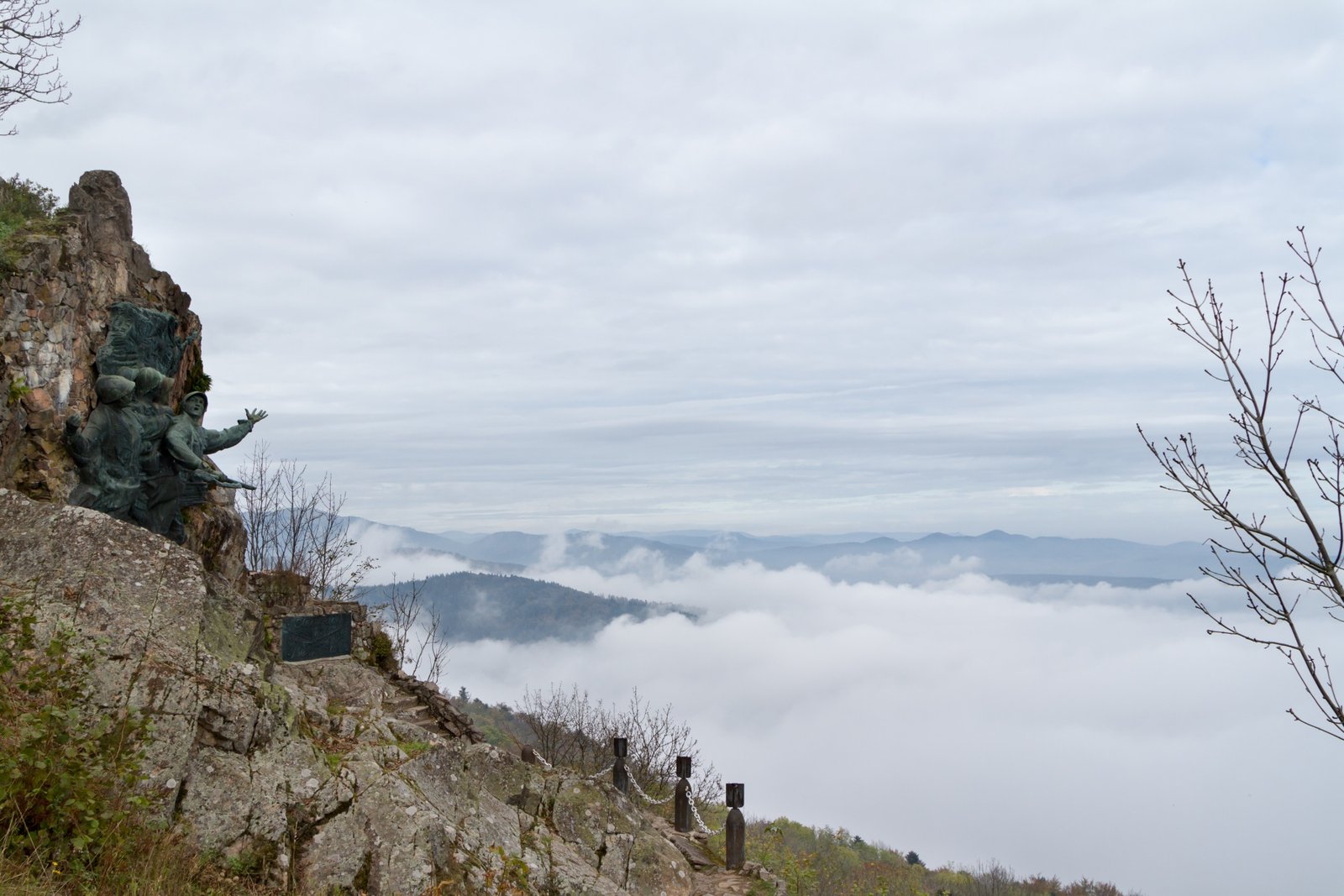
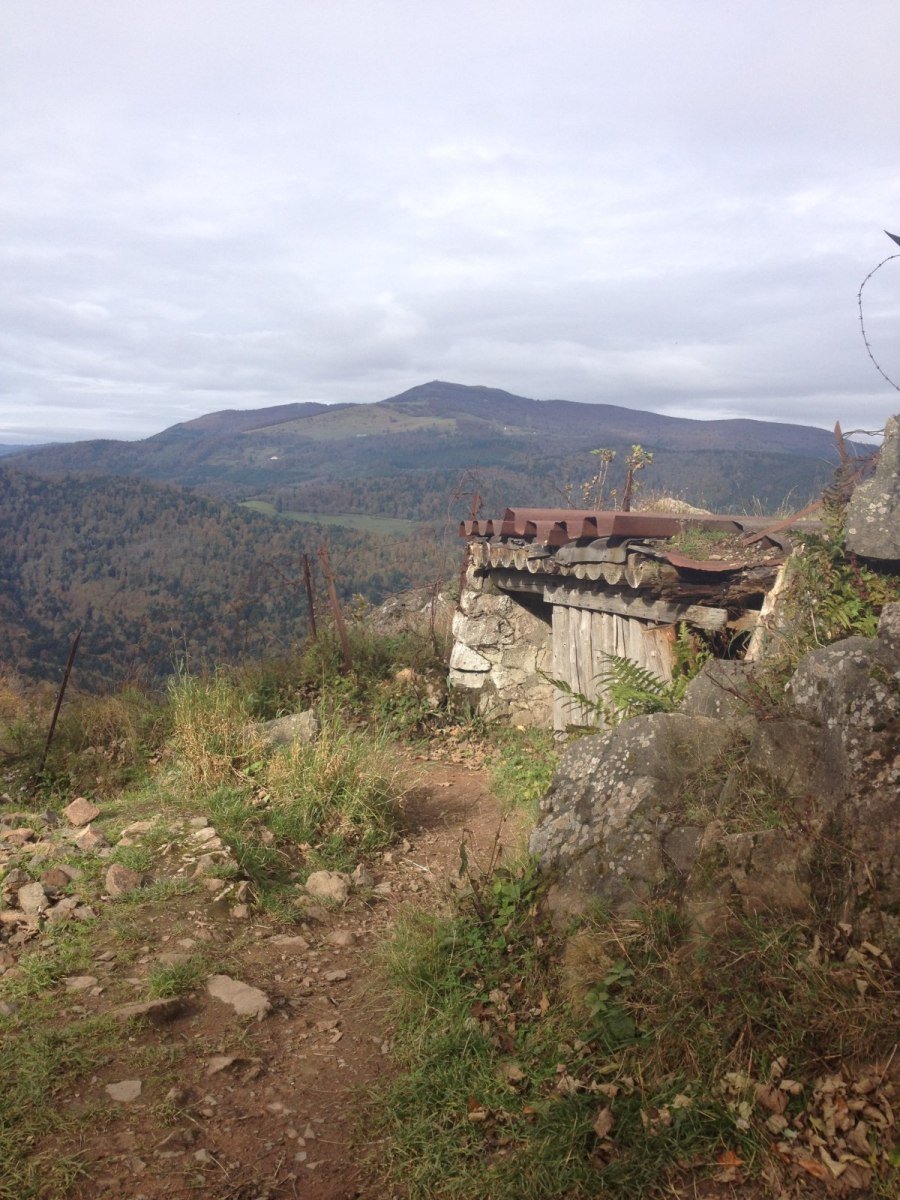
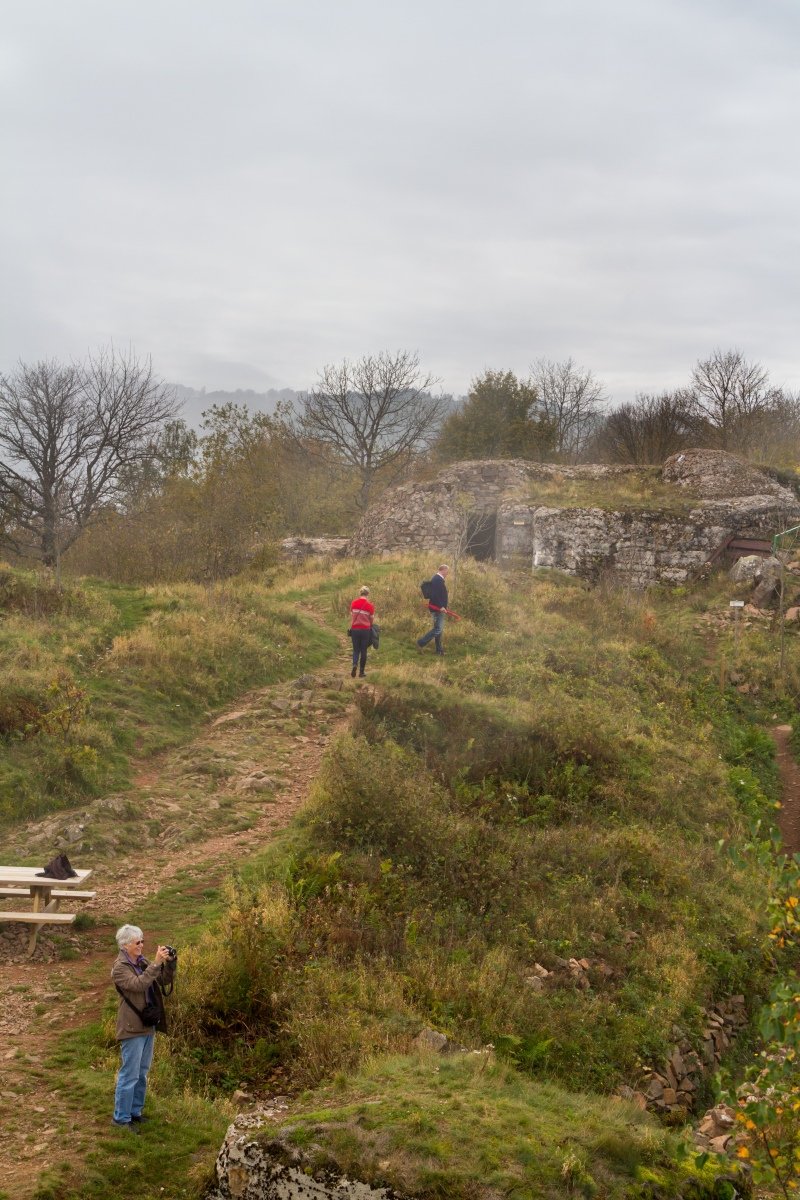
Gedenkstätte Hartmannswillerkopf is a war memorial but was a place of fierce fighting during World War One. It sits on top of a mountain which provides a sweeping view of the plain below. And this strategic point was worth fighting over.
The fighting was all trench warfare and the terrain began as woodland. It has now returned to woods but the trenches and remnants of war remain as they were left. All of the German infrastructure was superior to the French but it didn’t matter much as the battles won and lost the same ground, back and forth without gain. Both sides even built cable cars to transport soldiers (able and wounded) and supplies. All told the losses were 30,000 each side. It was a truly amazing place to visit. The walking, landscape and views were pleasant and beautiful, it was hard to see it as a place rendered ugly, desolate and futile by war but the trenches and war machine scraps remained as proof. It seems so strange to fight and fight only to walk away four years later without anything achieved.
We spent the morning, lunch and into the afternoon there.
In complete contrast, our next stop was Colmar. From afar all you can see of Colmar are about a dozen ugly high rises, but the old part of the city is filled with cobbled pedestrian walkways, 1700s buildings and canals. We arrived at about 5pm and walked in and out and around: delicious smells of French food, colourful buildings with exposed wooden beams crooked from standing for an age and the gentle murmur of a crowd of satisfied people. It seemed like a place that would make a good weekend trip to explore.
Back home again to our first home-cooked meal in a while and finishing the night with a pear and a cherry schnapps. Wunderbar!
It’s Sunday today, we had an extra hour of sleep last night as we end (or start?) daylight saving. We’re on the train from Freiburg to Cologne, right now stopped in Mannheim. We change at Cologne for Amsterdam and we meet back up with Kerrie and Wayne. We’ll spend 4 nights in Amsterdam before flying to Iceland.
I’ll do some tourist reading for the rest of the train trip, or maybe I’ll sleep and we can begin our visit just getting some bikes and riding about without a particular direction…both seem fine to me.
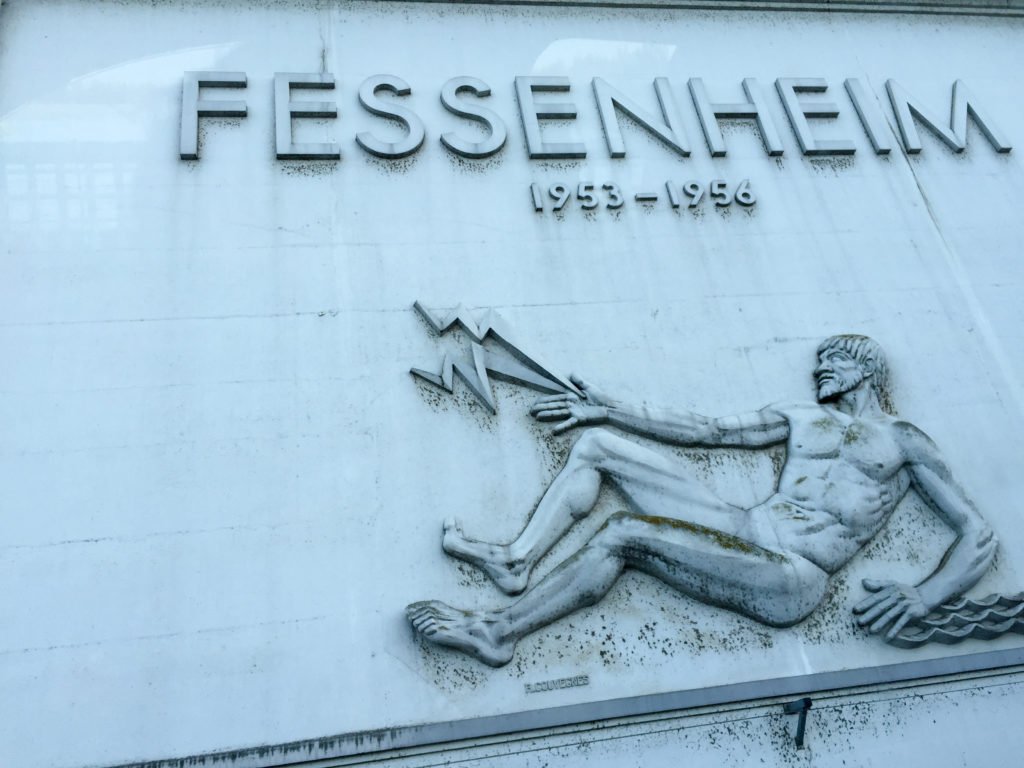
The lightning god at the nuclear power plant, the Roman bath house (and its shed – the real attraction) and the walk to the bath house.
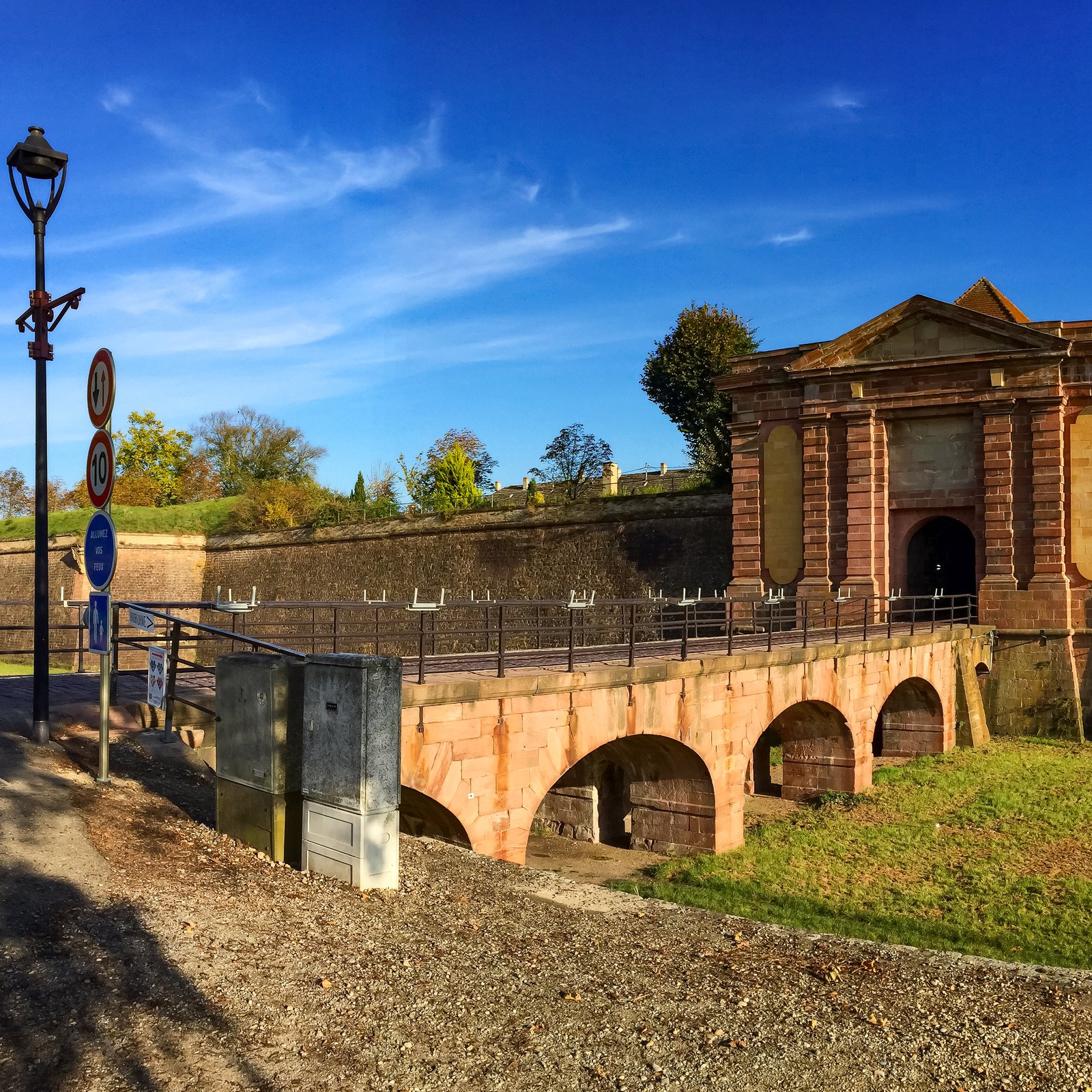
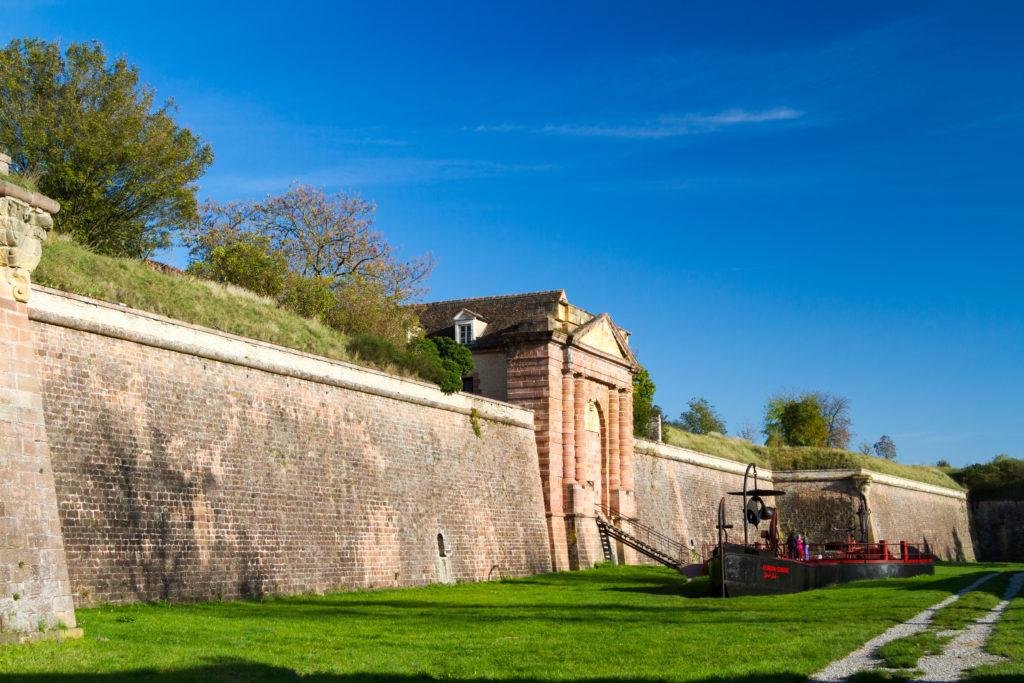
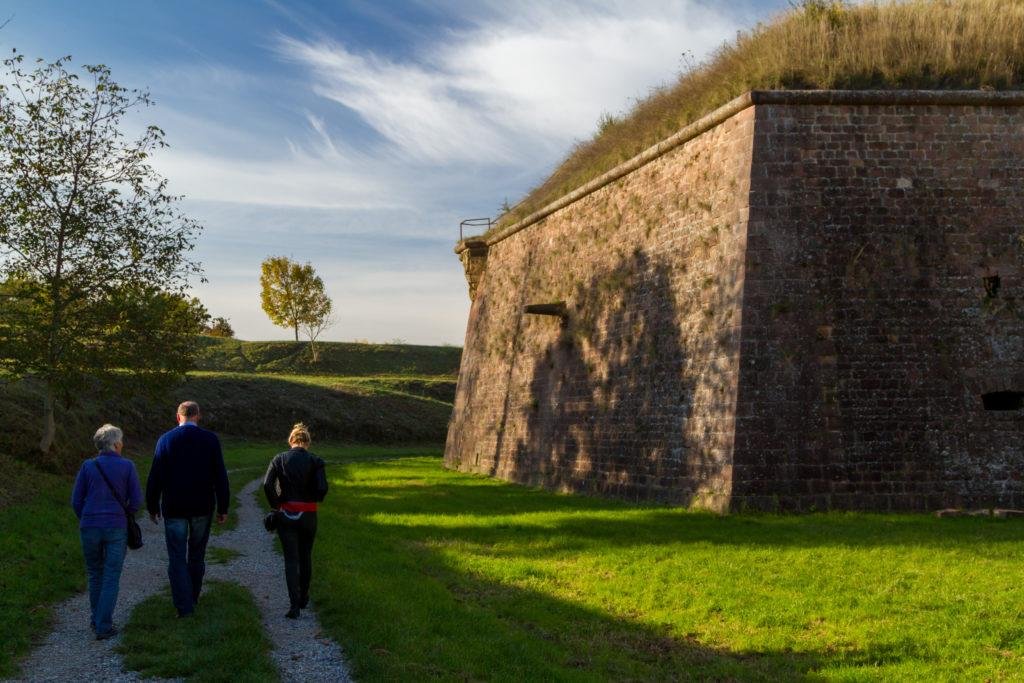
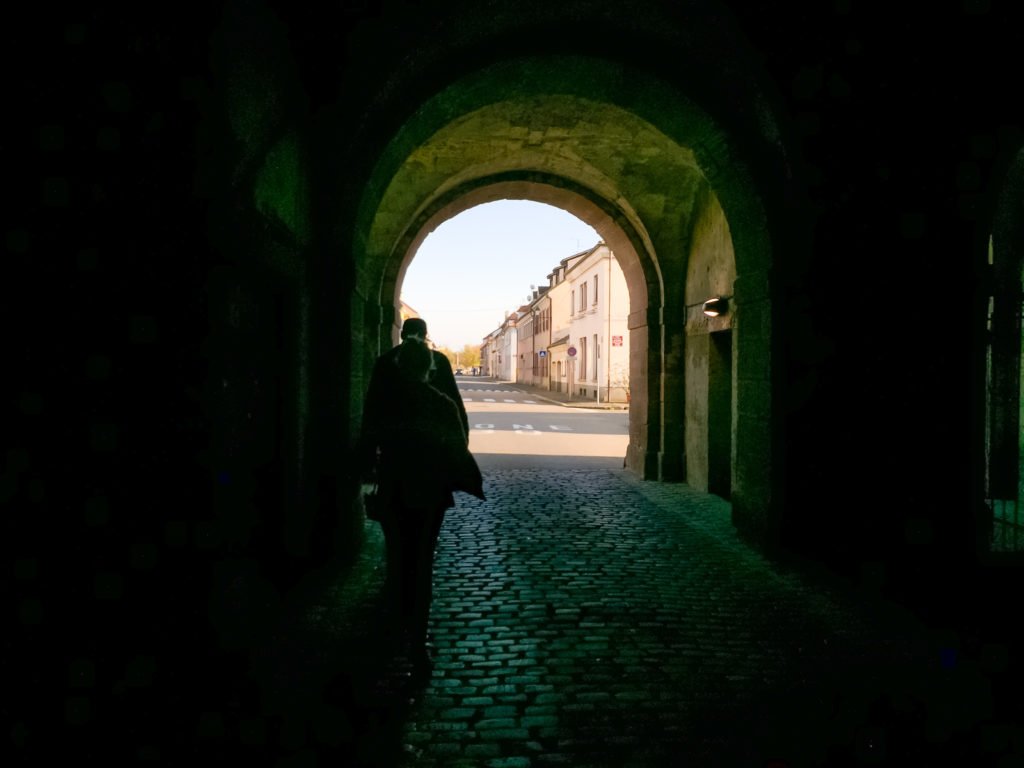
Shots from around the fortress at Nuef-Brisach, including Anna walking through the gate (note the width of the main walls!) and the four of us re-entering the town at another gate.
Nuef-Brisach is a town established in the middle of an old fortress. The fortress has two dry moats around it, huge thick walls and its design means that at each entry point there are a series of right turns which all give the defending forces opportunities to cross-fire on the attacking forces. None of these were ever needed.
We entered peacefully into the town, parked and took and walk through the moats. The scale, effort and workmanship were impressive but it’s funny to think that they were never needed.
The moats remain connected to diversions from the Rhine which allow for the moats to be flooded. I suppose we should have had a confined space permit to enter.
We drive back into Germany via a different route to avoid some roadworks. Next to the bridge is the feeder for cooling water to a nearby nuclear power station (the photo of the statue/relief of the god with lightning in his palm).
On the way back we stop off at an unassuming shed in a farmers field. It covers the foundation remains of a Roman bath house. Apparently the bogs in between the towns here are all protected because they all contain historically significant items.
We ate a hearty meal at the town’s guesthouse and after a cup of tea back at home we retired to a comfortable sleep.