Driving into Port Headland initially called to mind the port in Newcastle. Arching steel structures in cross-crossed networks in front of blue water. Familiar stacker-reclaimers everywhere. Everything stained with the dust of the once-buried valuable stuff. And I’m torn between awe (ore?) at the scale and magnitude, and a kind of disgust at the impact. Something (probably that it reminds me of work!) triggers memories of the book The Unknown Industrial Prisoner and it’s oozing, dirty, unrelenting portrait of a Sydney oil refinery.
THE EFFECTS OF ENCLOSURE It had been raining for days. The world smelled like a diseased lung. The high wire fence enclosing the Refinery, Termitary and Grinding Works dripped freely in the driving rain.
Why was there no one to investigate the harm done by this high barbed wire? Sometimes it was as if the wire stretched from one side of the 350 acres of rich industrial land to the other at head height, the rusty barbs constantly threatening to furrow vulnerable human skulls. Those that were once men, and still often were when they had gone outside the blue gates, walked about with bowed-down heads as if in a vast, intimidating cathedral.
Would it be inquiring perhaps too closely to ask whether the fumes from the men’s slowly corrosive discontent were not making thinner and more brittle the wires caging them? But it was only an experimental plant; there would be more plants built and new and tougher wires extruded to hold and cage more securely these men who came daily to the blue gates offering their lives in return for the means to continue them.
The Unknown Industrial Prisoner, David Ireland
We’re staying with one of Carla’s friends, Katie, tonight. When we arrive at her house in the afternoon she offers a tour of the town. Our first stop it to pick up her daughter from a friend’s house. Katie’s warmth toward the place as she takes us around the industrial areas, to the local fishing spot, beach, jetty and water tower-come-lookout completely changes my depressing first impression. So does having a shy, giggling kid in the back to goof around with!
It’s so pleasant to stay in someone’s house – not just an airbnb or hotel. The house is a two story colorbond where the living space is open to the top of the building. Then the space is full of art like a gallery (Katie’s in the art world in Port Headland). It’s very cool.
We spend the night with the whole fam, grandparents included before retiring to bed.
18 YEARS OF ASH One of the things he found was that job-creativeness was well rewarded. Men with imagination could put pen to paper and rough in the outlines of a new job any time.
For eighteen years Ashpit Freddie, a sort of clerk, collected details of various heaps of rubbish and ash, wrote reports and supervised them in a far corner of the company’s land, tended them with a long-handled rake, kept them in order so they were a joy to him to behold, and occasionally moved them a little farther on. Sometimes he would amalgamate two or three, make the ground in between shipshape, and even requisition a helper or a new rake. He dressed neatly in a pair of overalls that were a credit to him, and made trouble for no one. At his presentation nice, wise things were said about the dignity of labour and the beauty of a labourer going to his retirement.
After he had gone, some fool cleaned up the yard with a fleet of trucks. No new ashpiles accumulated, no heaps of any sort replaced Ashpit Freddie’s. The rubbish and ash tended by Freddie were eighteen years old, the same heaps at the end as at the beginning.
In the morning we meet Katie at her work (The Junction Co) for a behind the scenes tour. Anna goes to a lovely Optometrist down the road to get some contact lenses in preparation for snorkelling. They are giving her testers because it’ll take too long to get her prescription – and they insist that they can’t charge for them – so we buy a glasses strap just so we’ve paid something!
Back at the gallery one of the painting has caught our eye, so there’s another excellent souvenir.
We take a final drive by the giant salt pile on our way out…
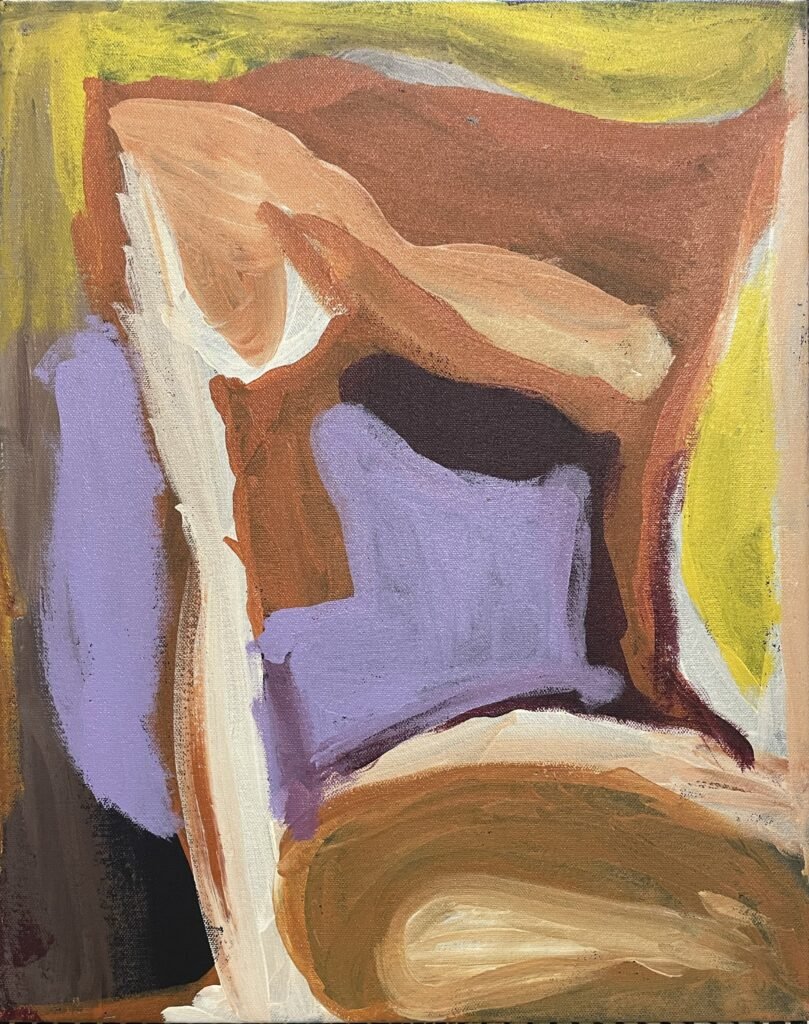
Amy French, Martumili Artists
The Samurai was happy to hear the first result of the landslide. Most increases in pay had been absorbed into their above-award wages for some years until they were back on award rates; entry to the Union changed all that. The threat of a white-collar strike – unheard of – put the next wage increase into their pockets. The Samurai smiled when he thought of the distaste with which most of those trusties would have approached a defiant attitude to almighty Puroil, and of the wonder in their struggling hearts when they saw Puroil back off from all its righteous protests and offer five dollars it didn’t have.
The Samurai was a little ashamed he hadn’t stayed with them to fight, but had the good sense to realize that his action in leaving their ranks spoke more eloquently than words.
The two things were of course not connected, but shortly after this, in the interests of economy, white-collar prisoners were denied the use of their separate dining-room and were obliged to eat the company lunch in the larger mess-hall, rubbing reluctant white shoulders with storemen and packers, fitters, electricians, riggers, drivers, gardeners, drum-rollers – anyone. Khaki overalls, boots, ragged shorts and buttonless shirts, grease on the chairs, chipped tables; there was a lot to put up with. The trusties were no longer separate. The staff dining-room was no longer. And for those whose lives were bounded by Puroil and felt a glow when they saw its advertising on television and who used to feel they were dining out in society when they sat elegantly at the staff tables with no roughly dressed prisoners in sight, this was bitter punishment. To sit and lunch at their work desks in sight of the depressing evidence of their indeterminate sentence of industrial imprisonment brought on feelings too heavy to be borne and thoughts too sharp and offensive to be allowed to become conscious.
The Unknown Industrial Prisoner, David Ireland