Exmouth

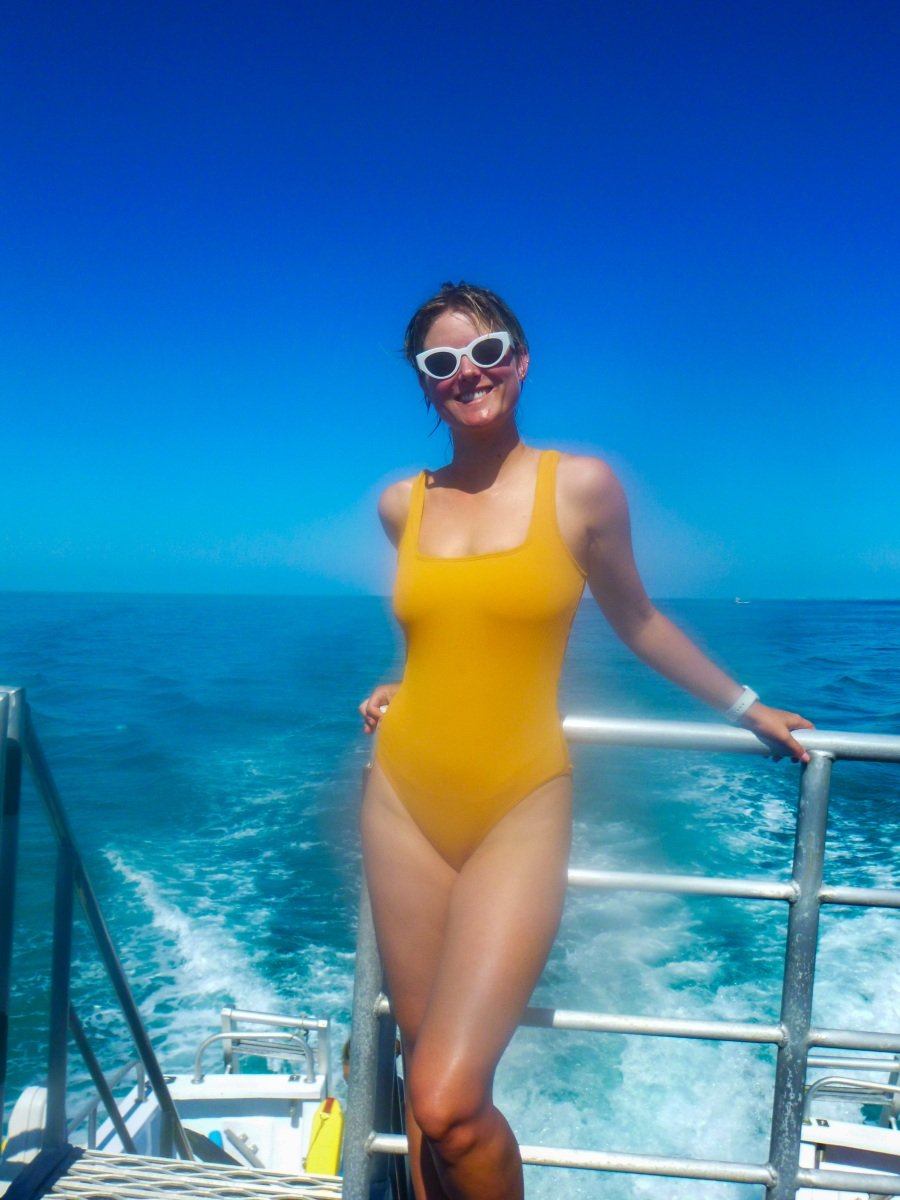
Another whale shark swim today! But we have to pack our camp and get back to Exmouth campground before heading back to this side of the cape. So we’re up early to get the camp packed up.

Over at Exmouth we setup camp in the hardest ground so far – grateful for a drill to borrow! By that time we need to meet the bus.

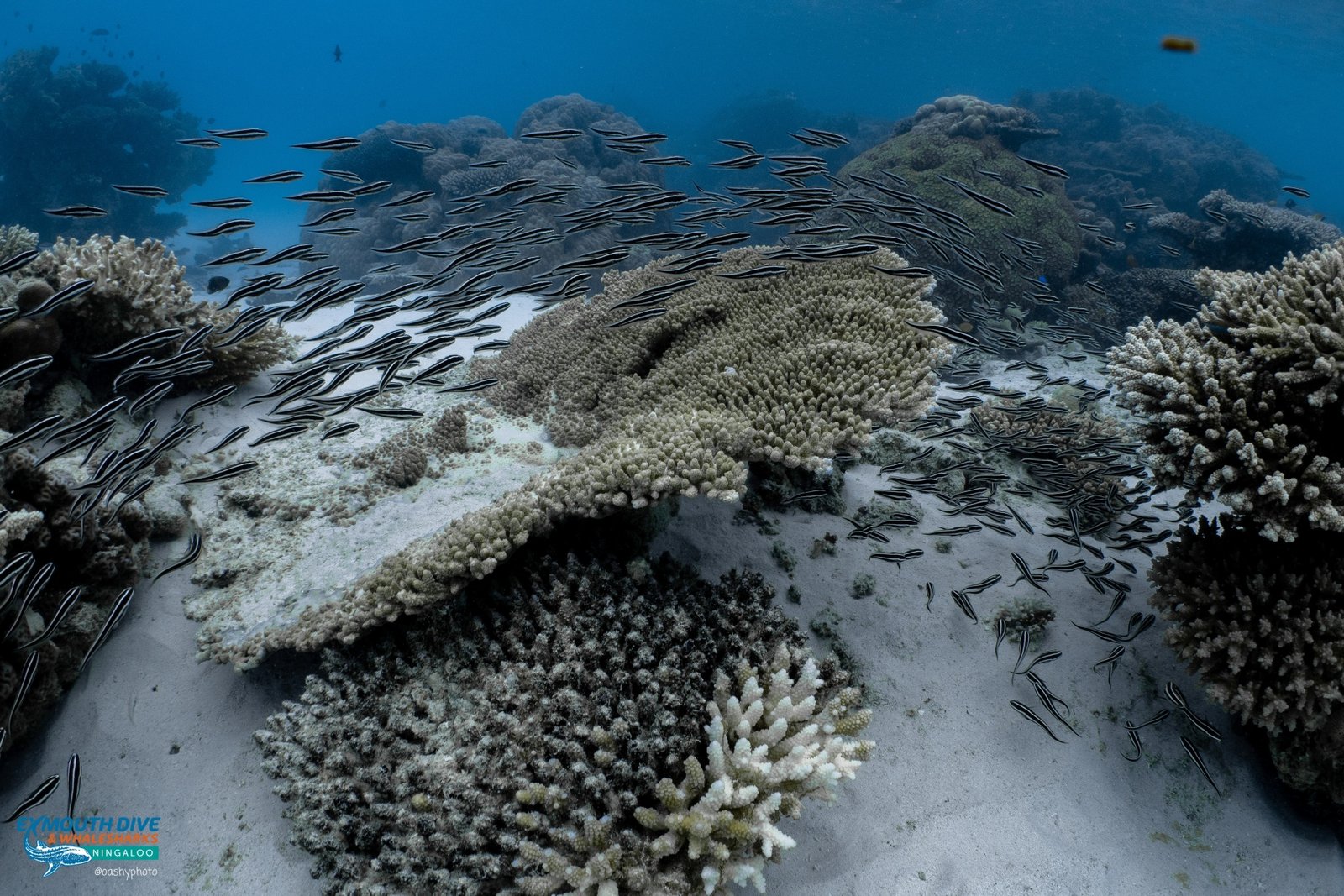
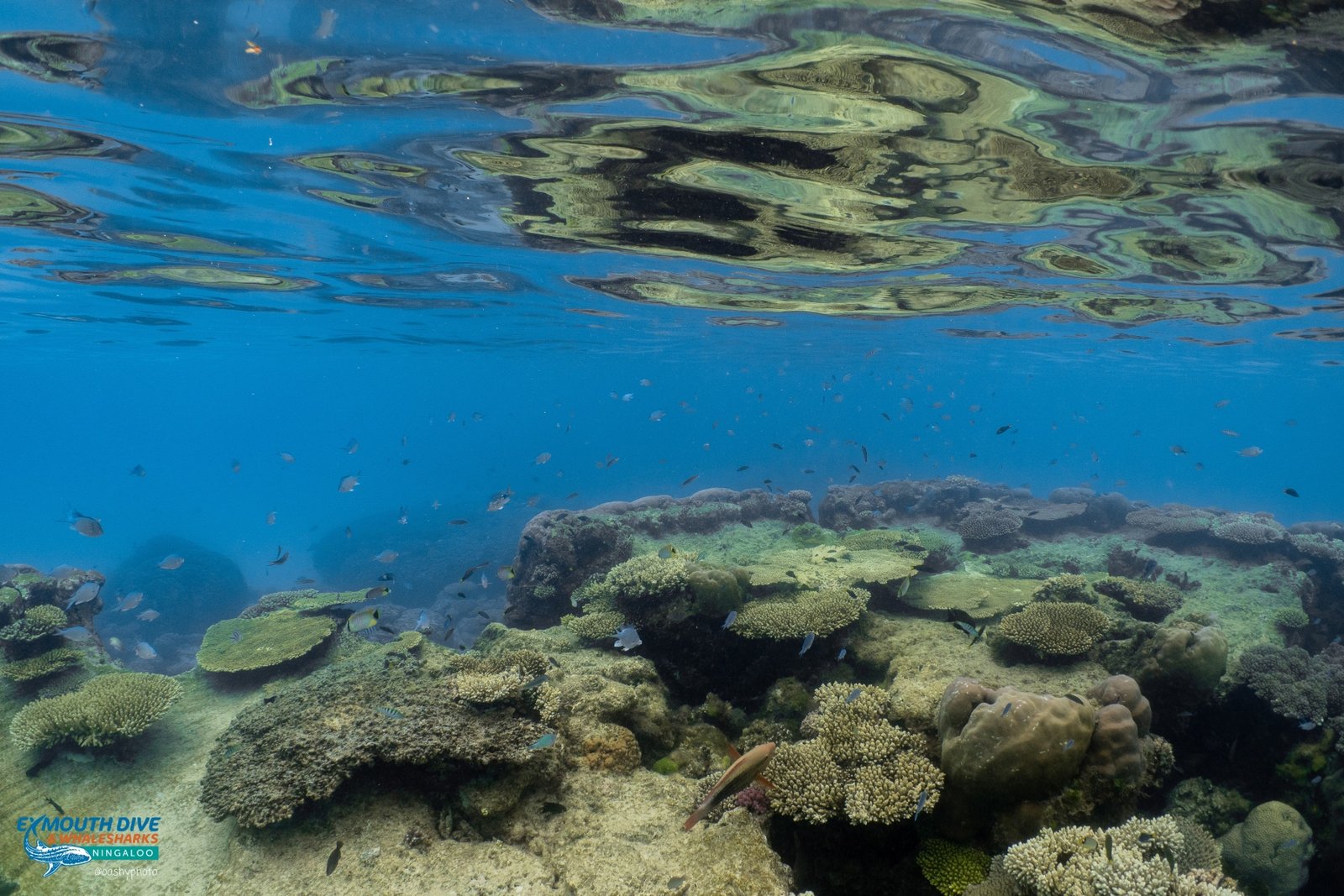
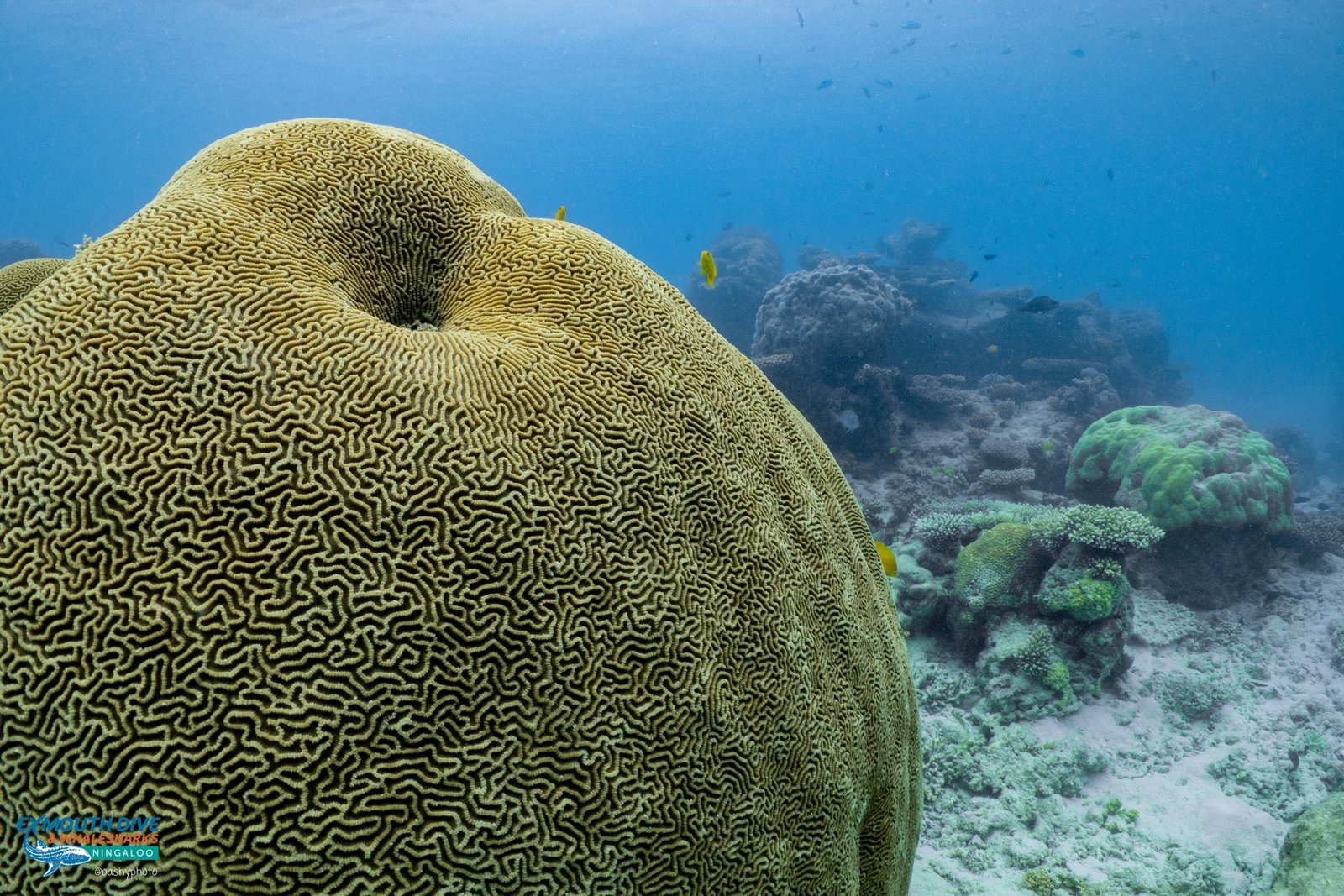
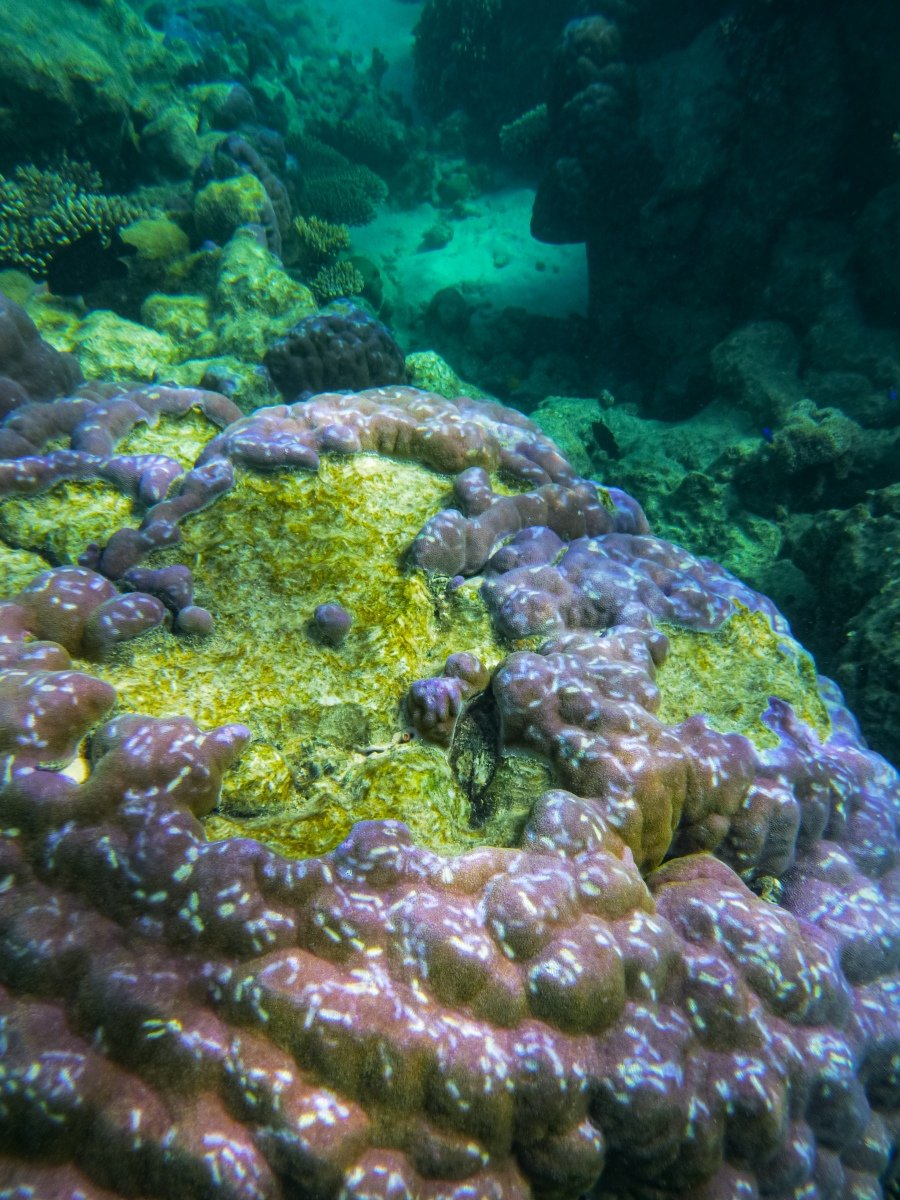
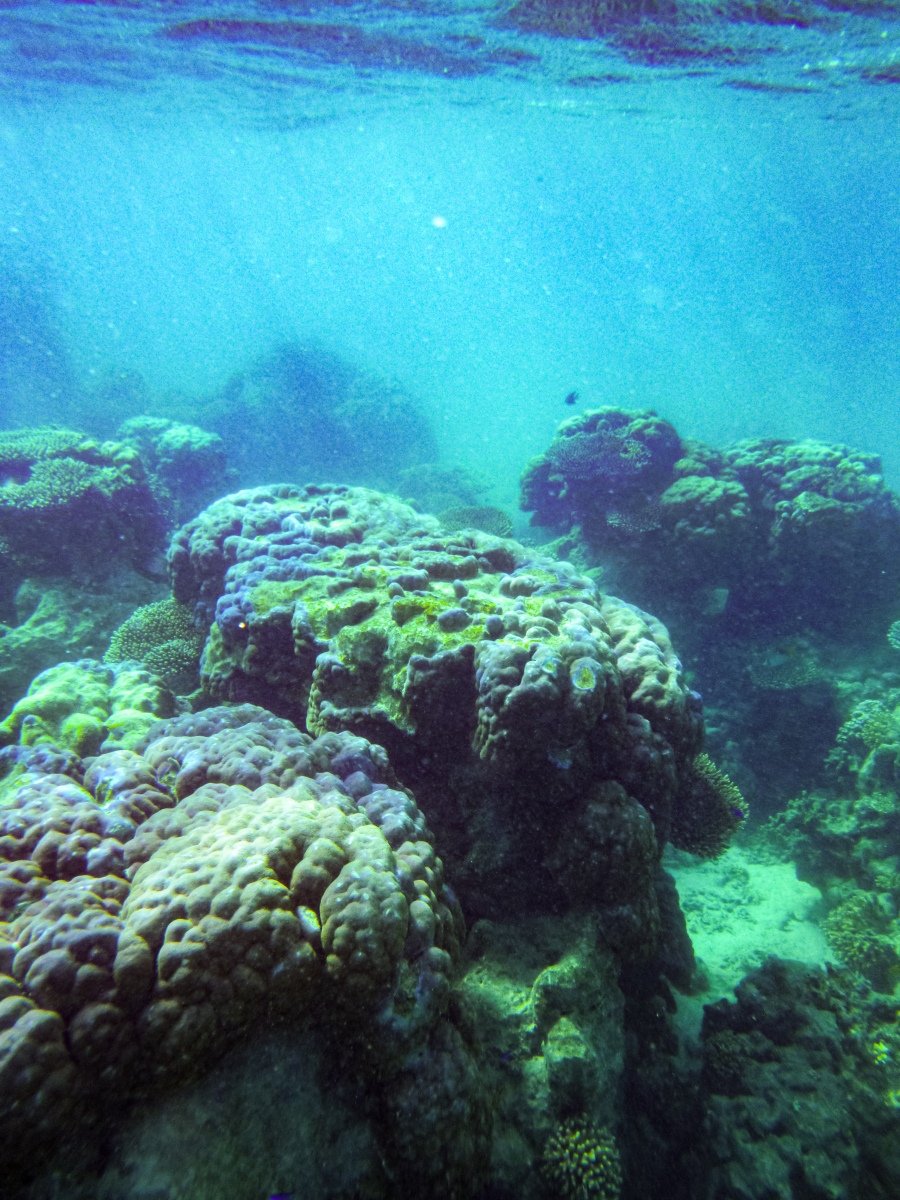
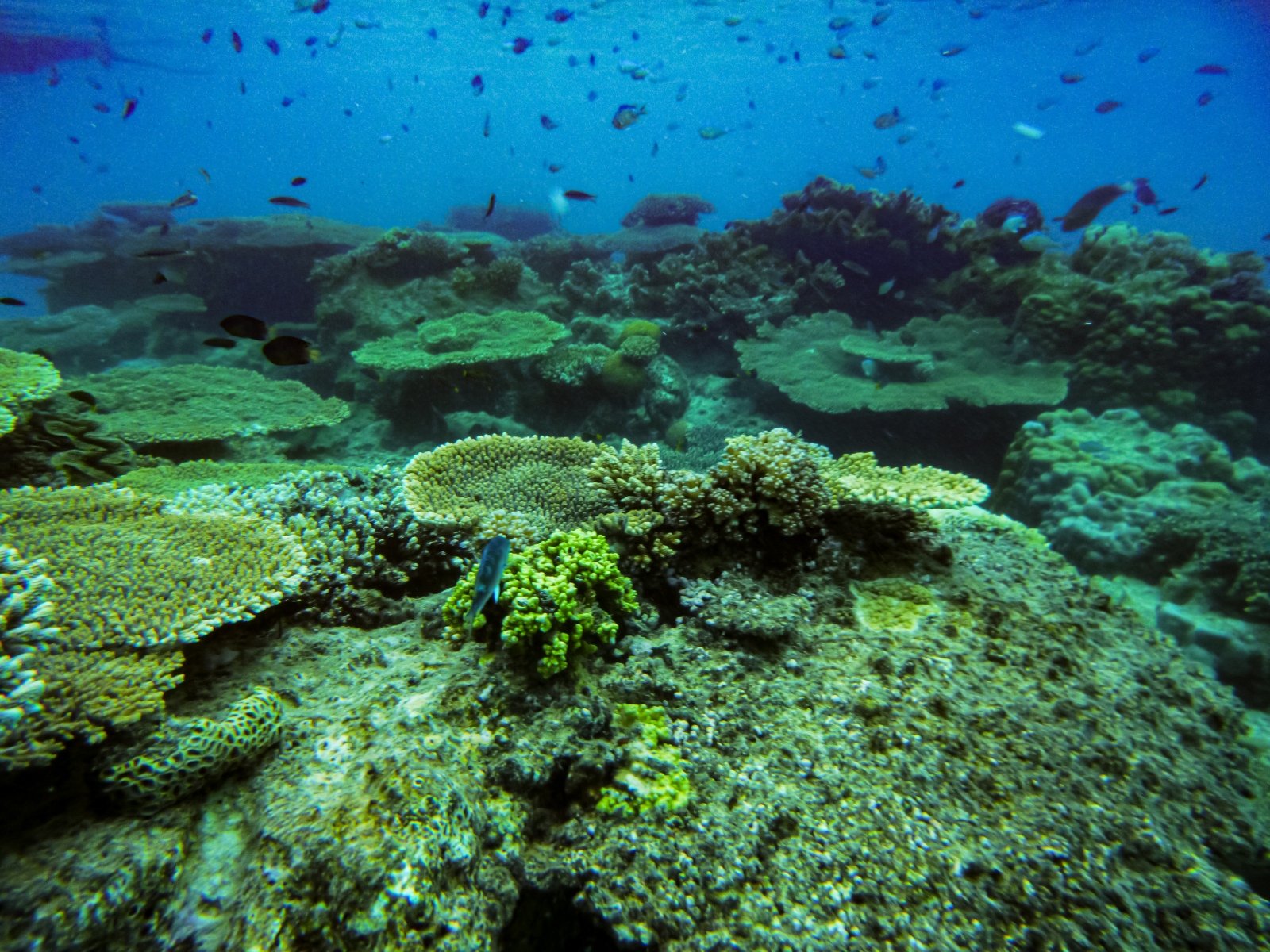
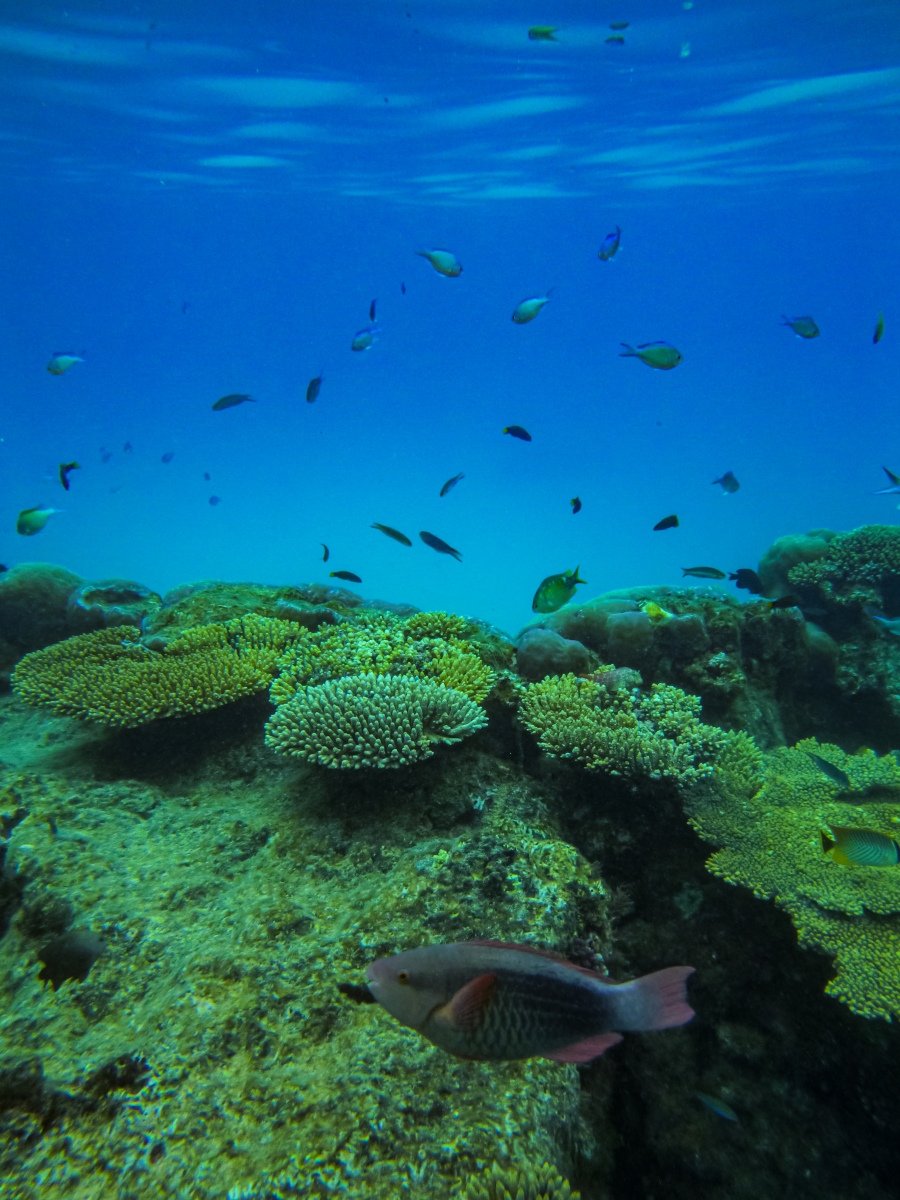
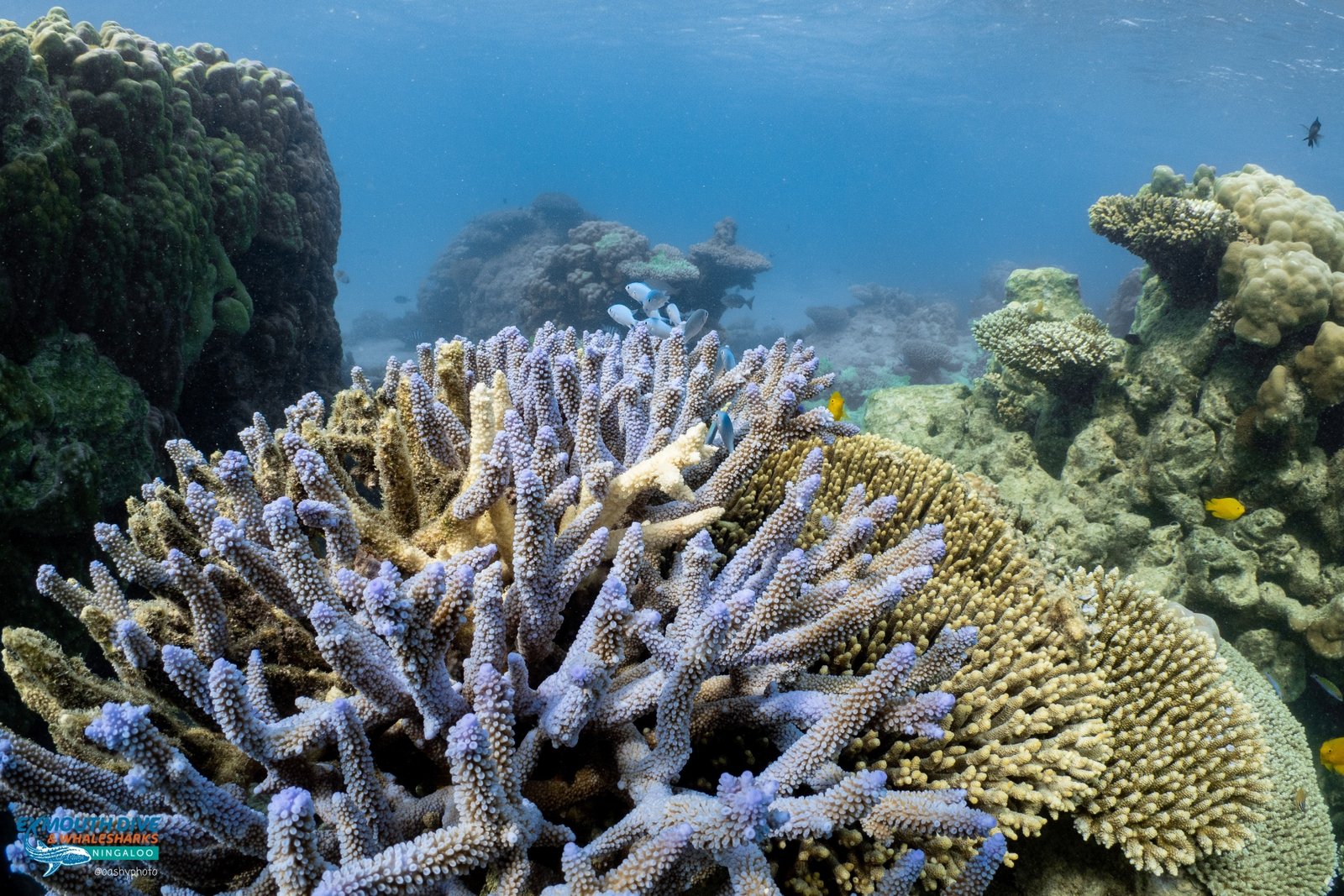
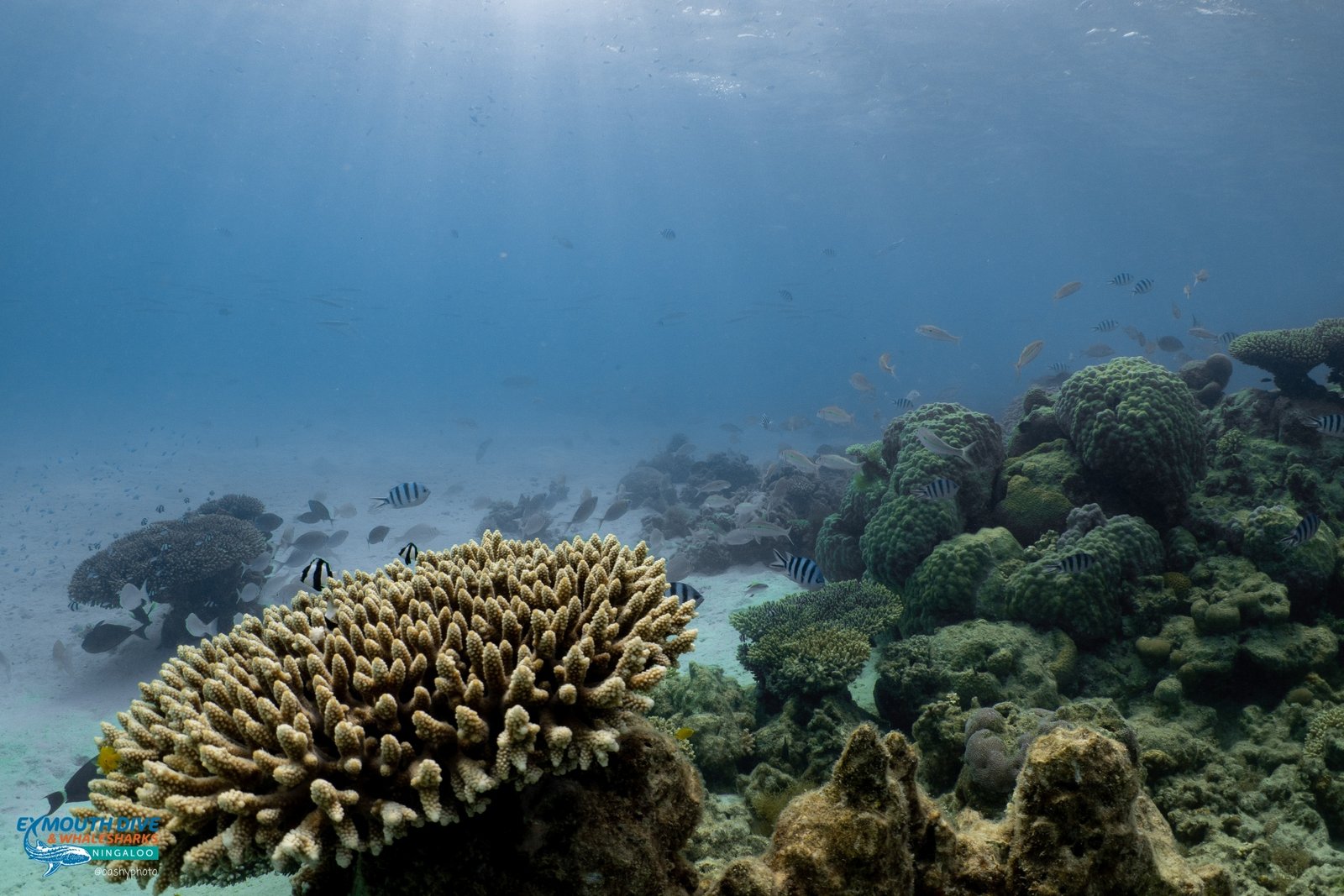
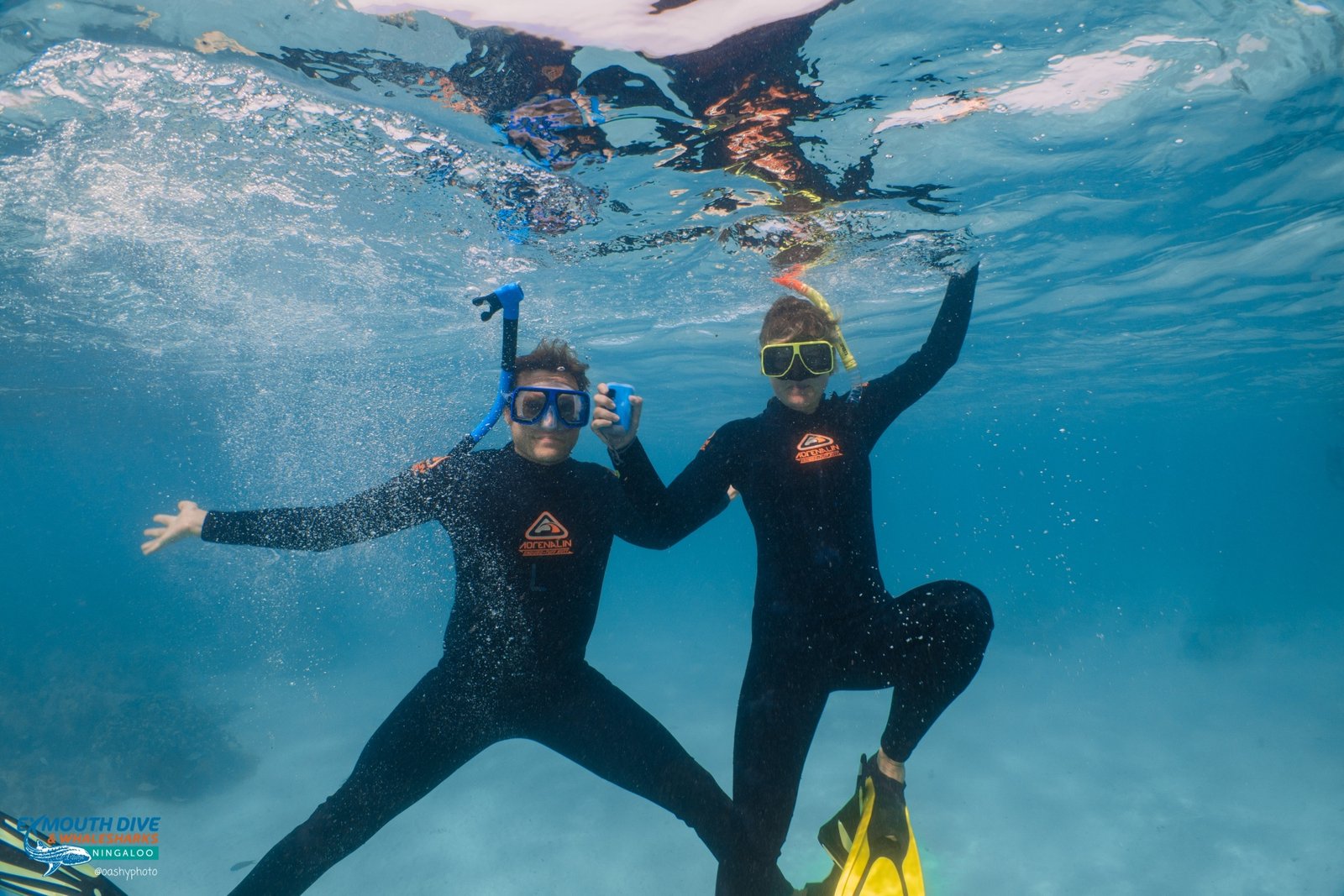
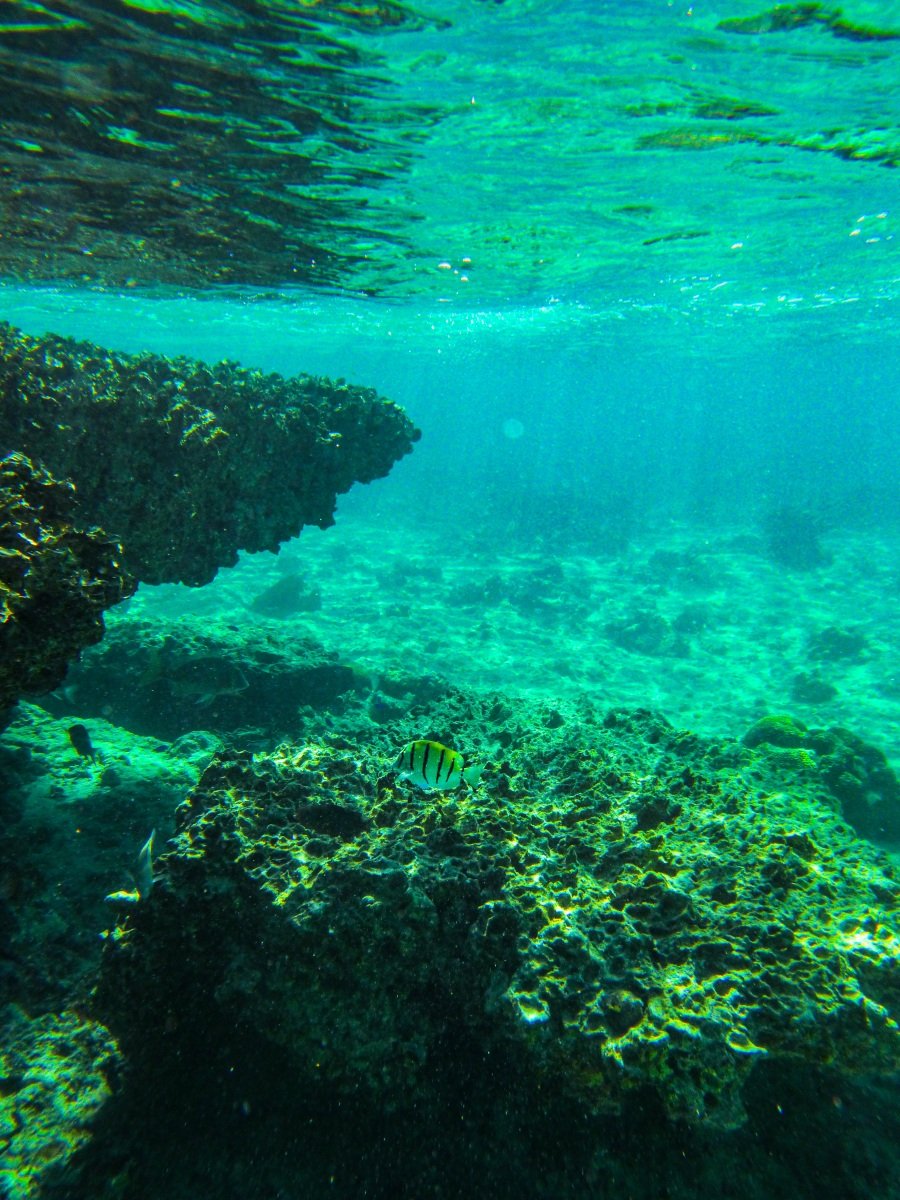
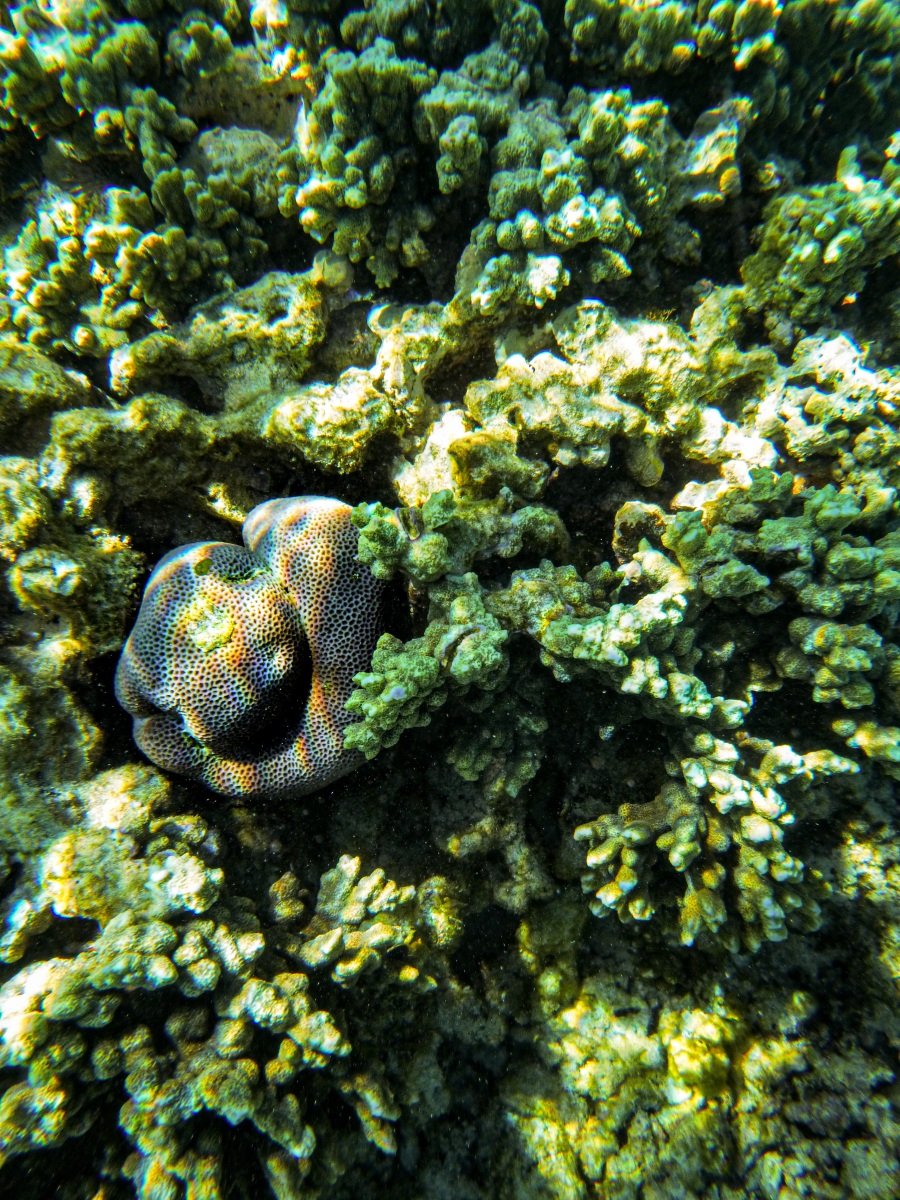
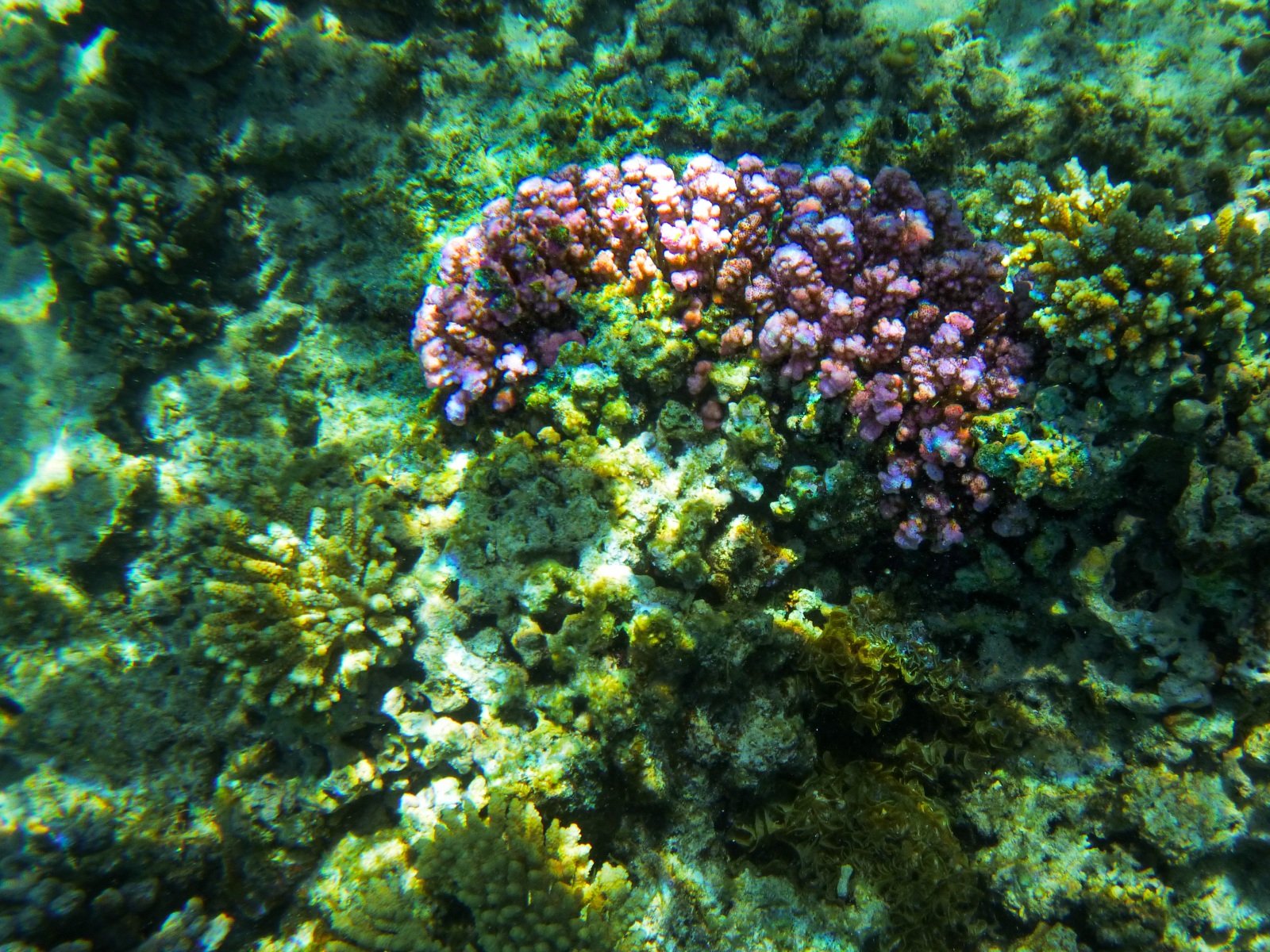
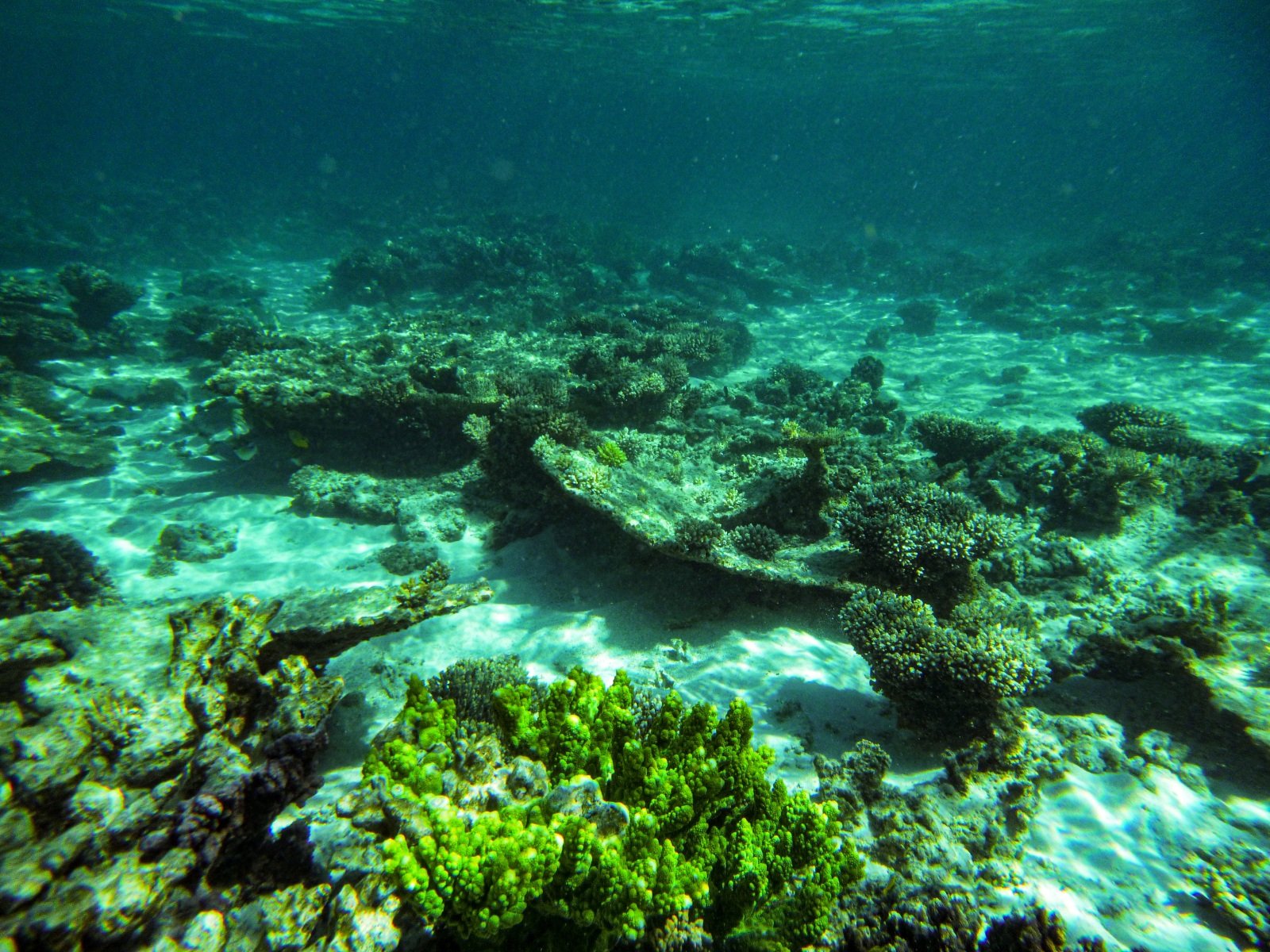
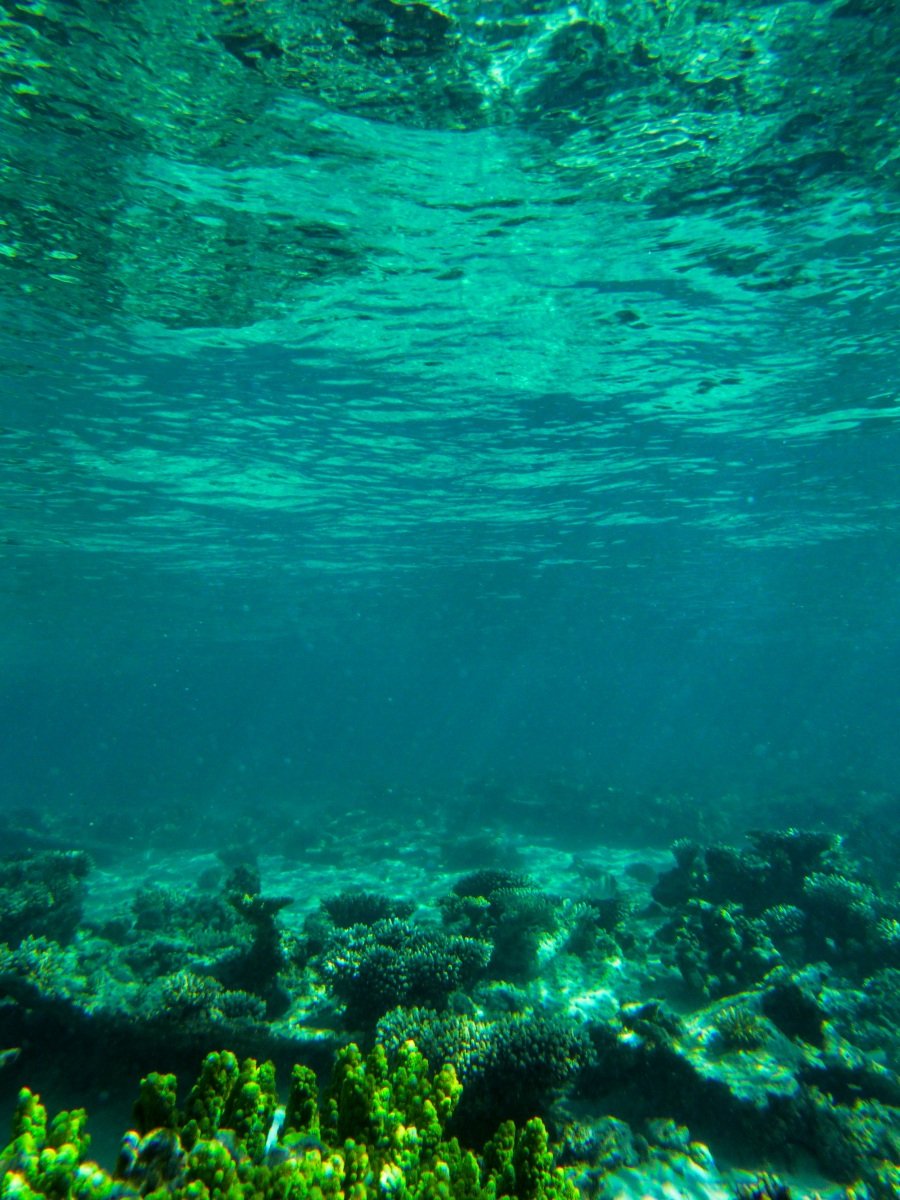
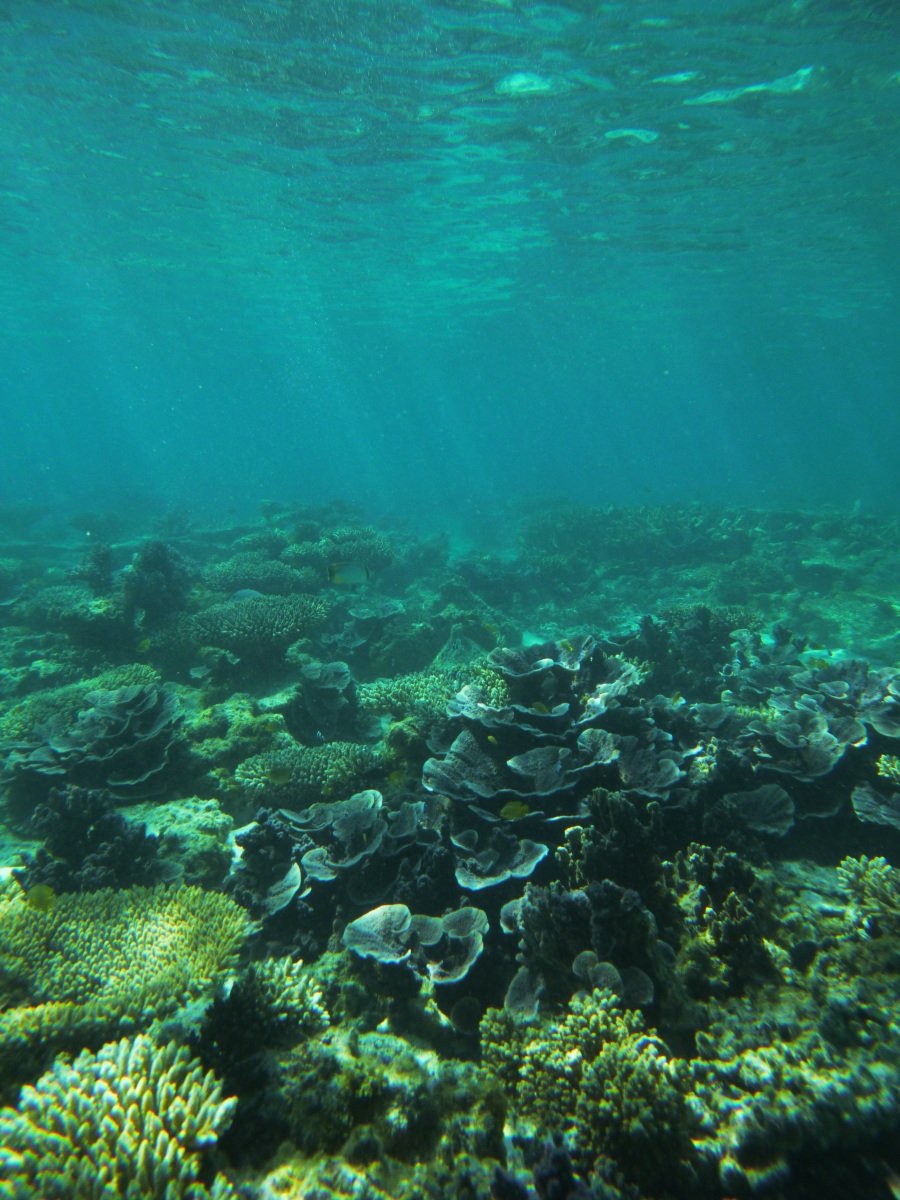
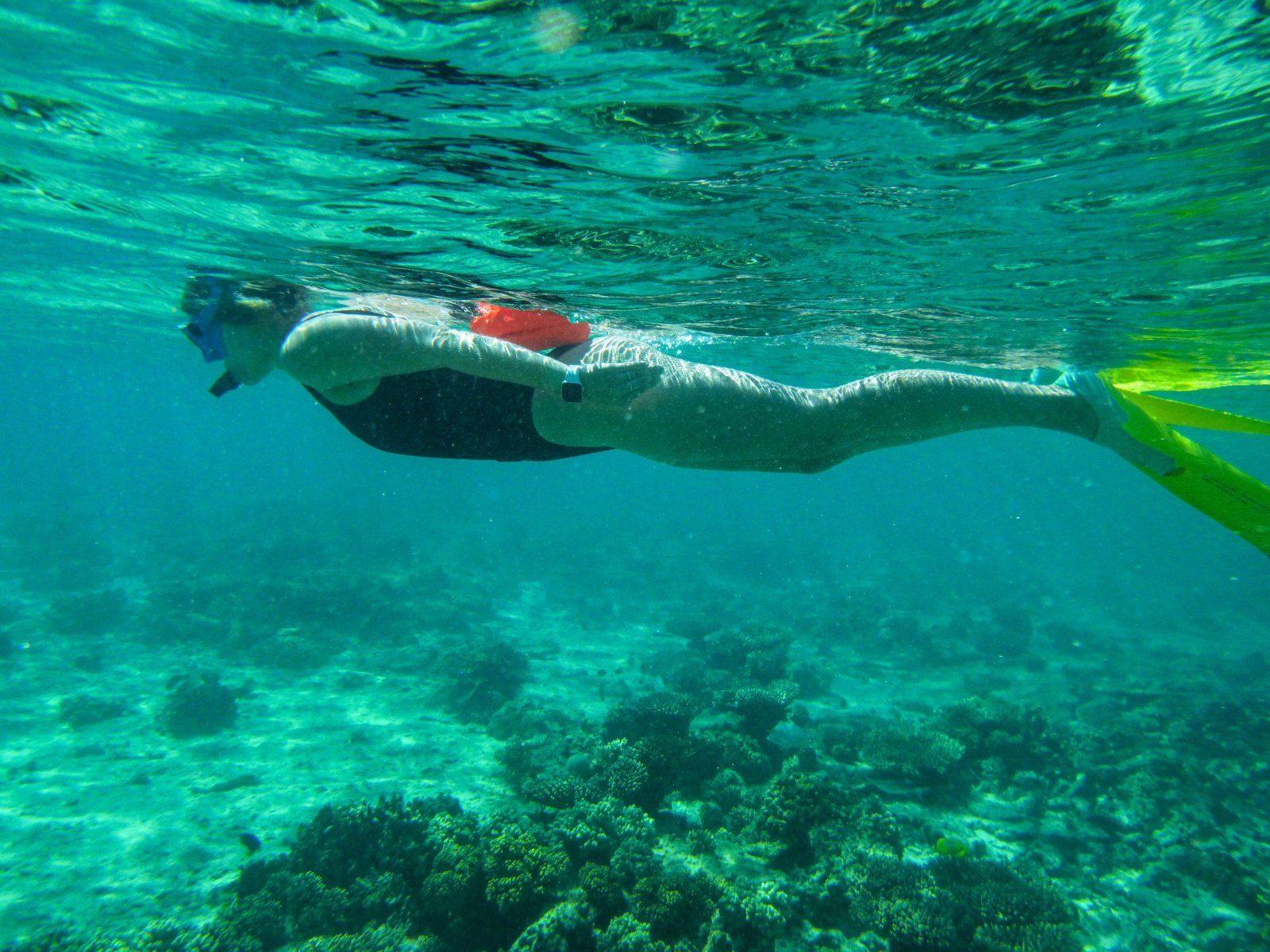
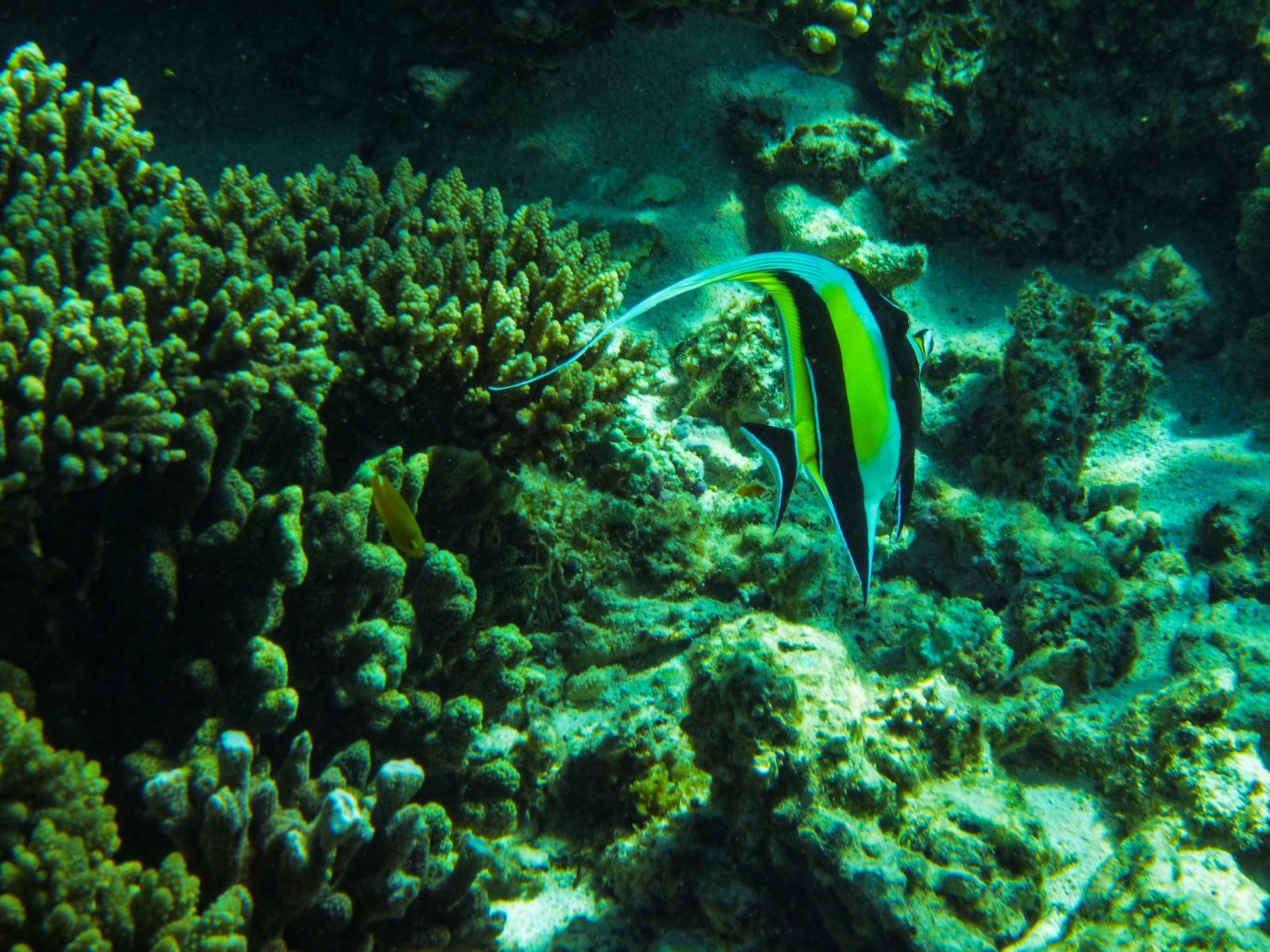
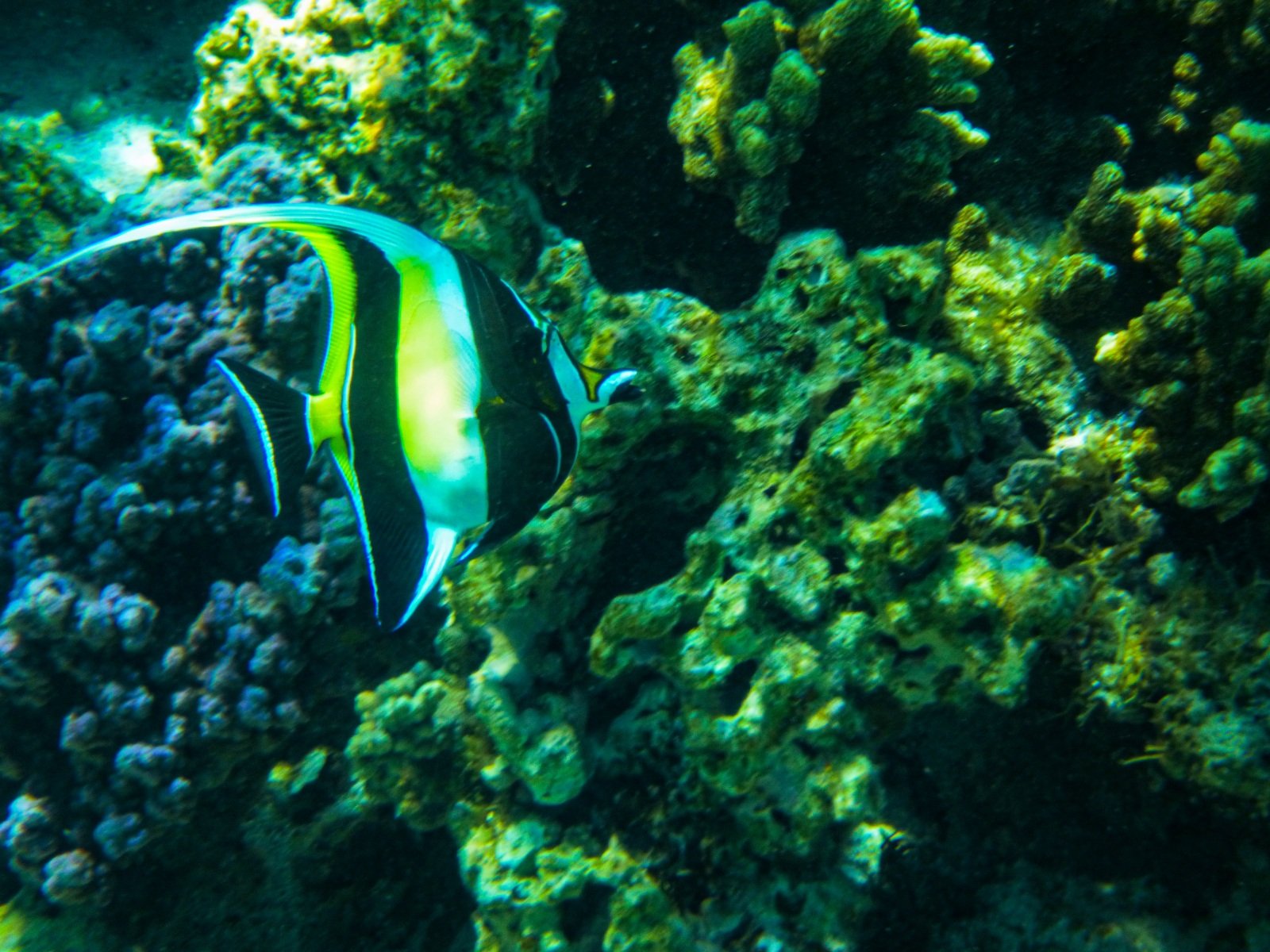
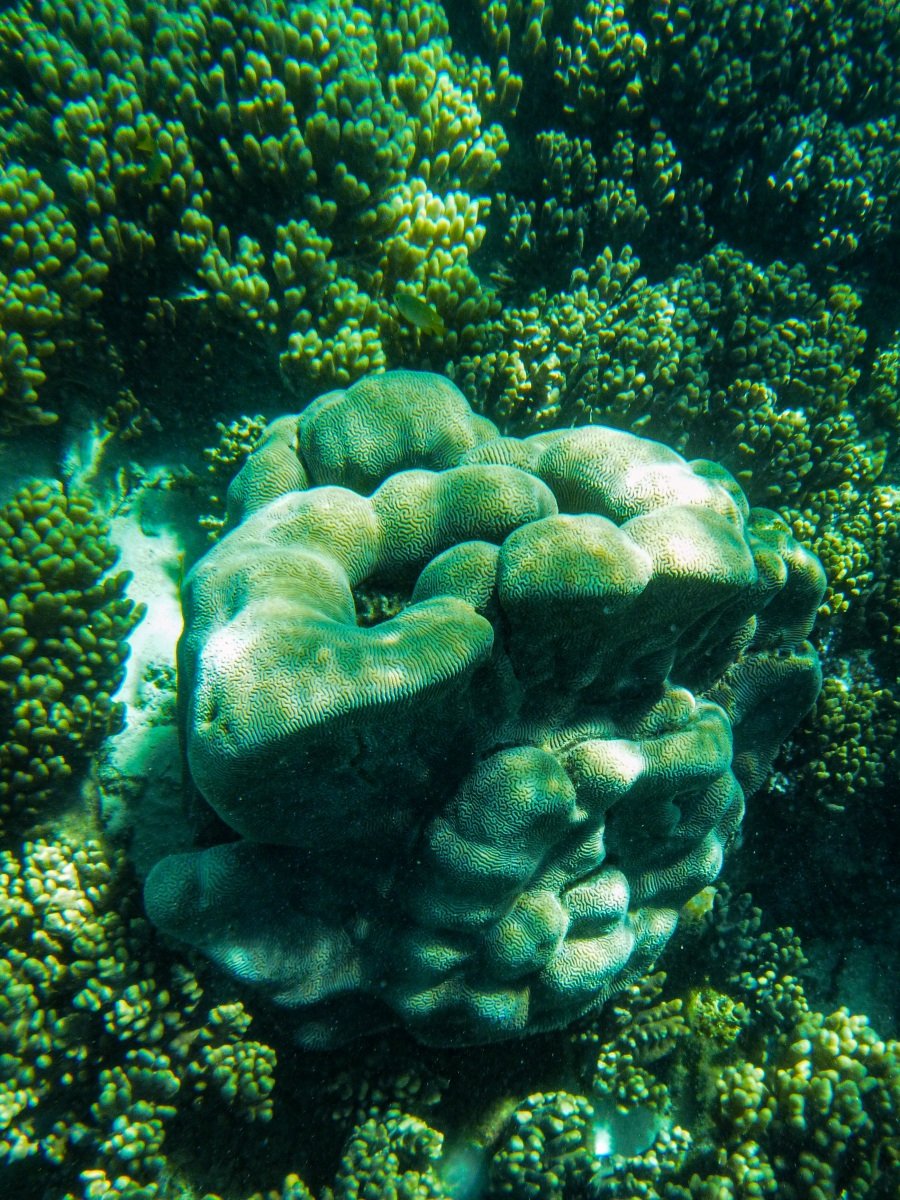
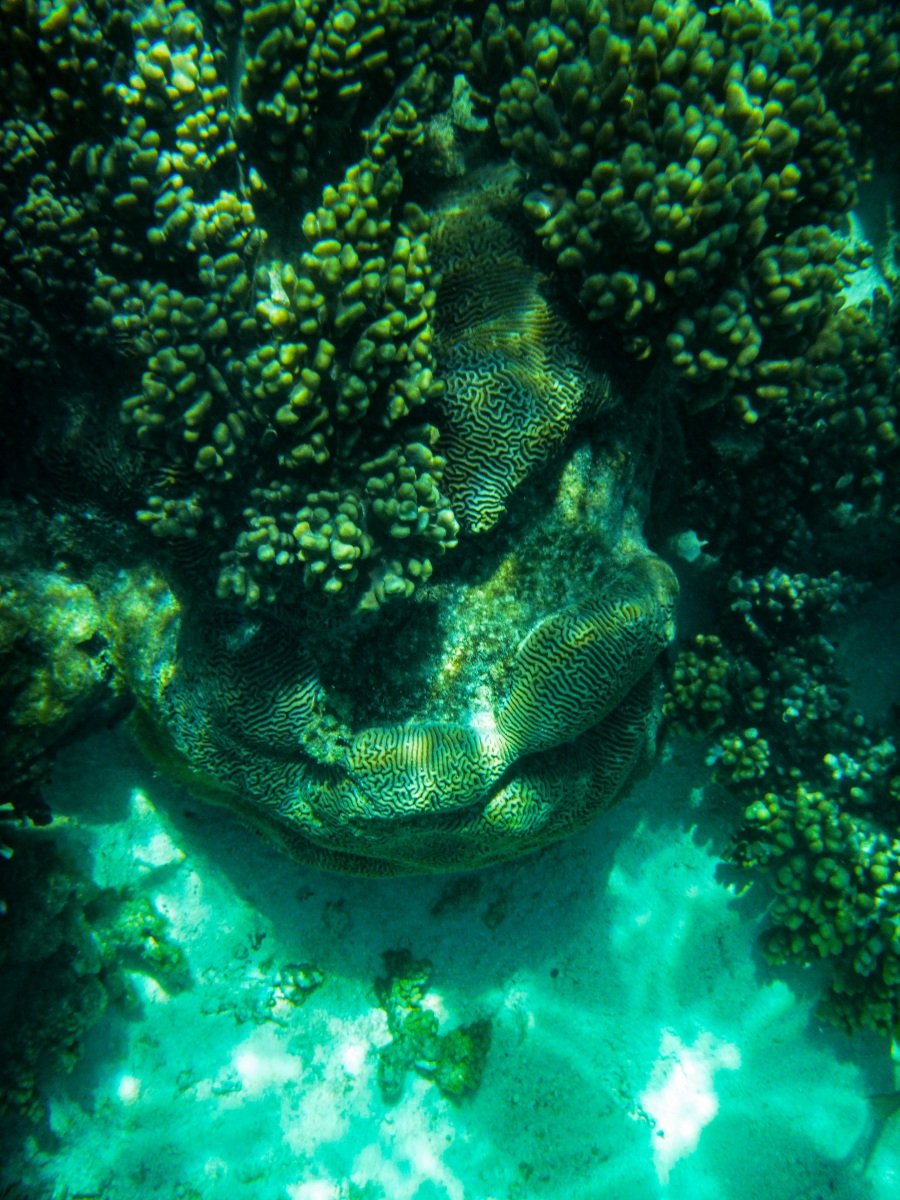
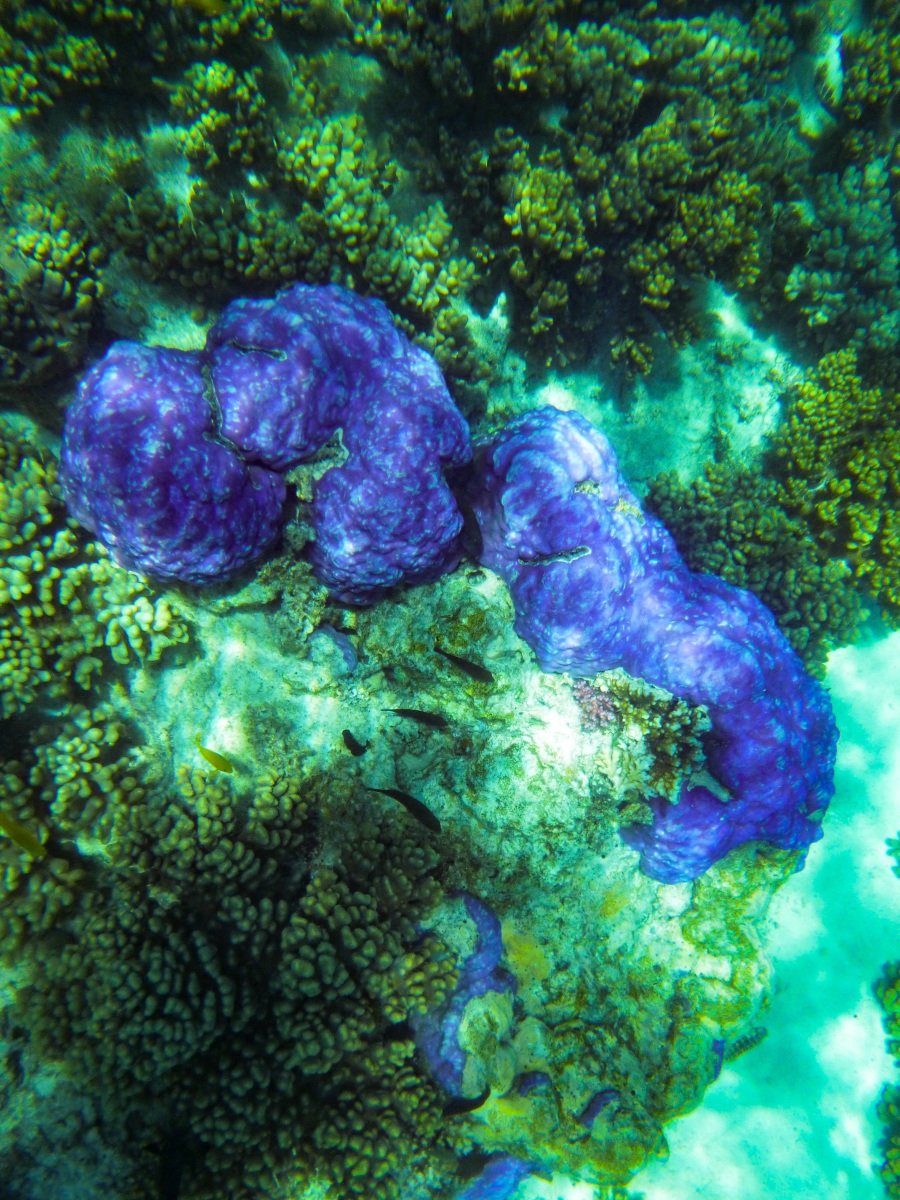
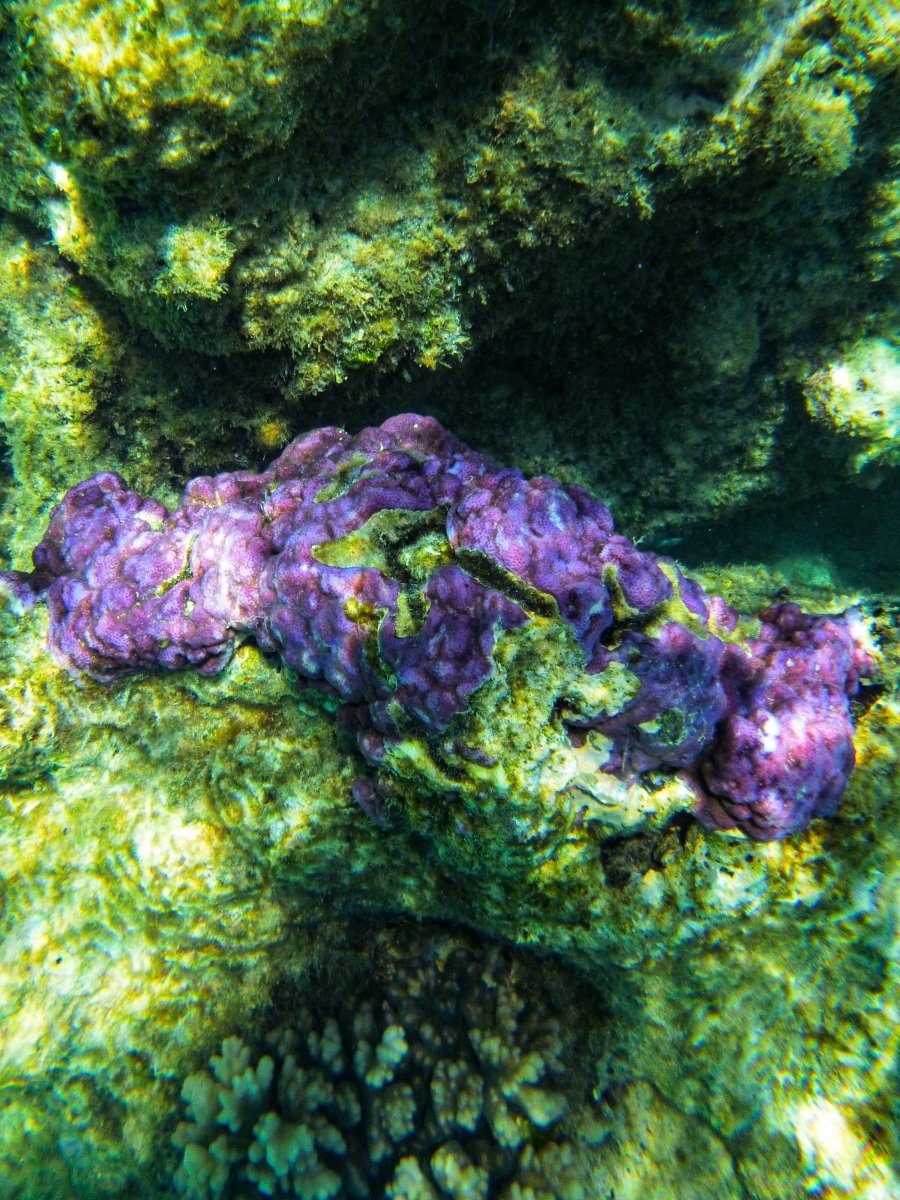
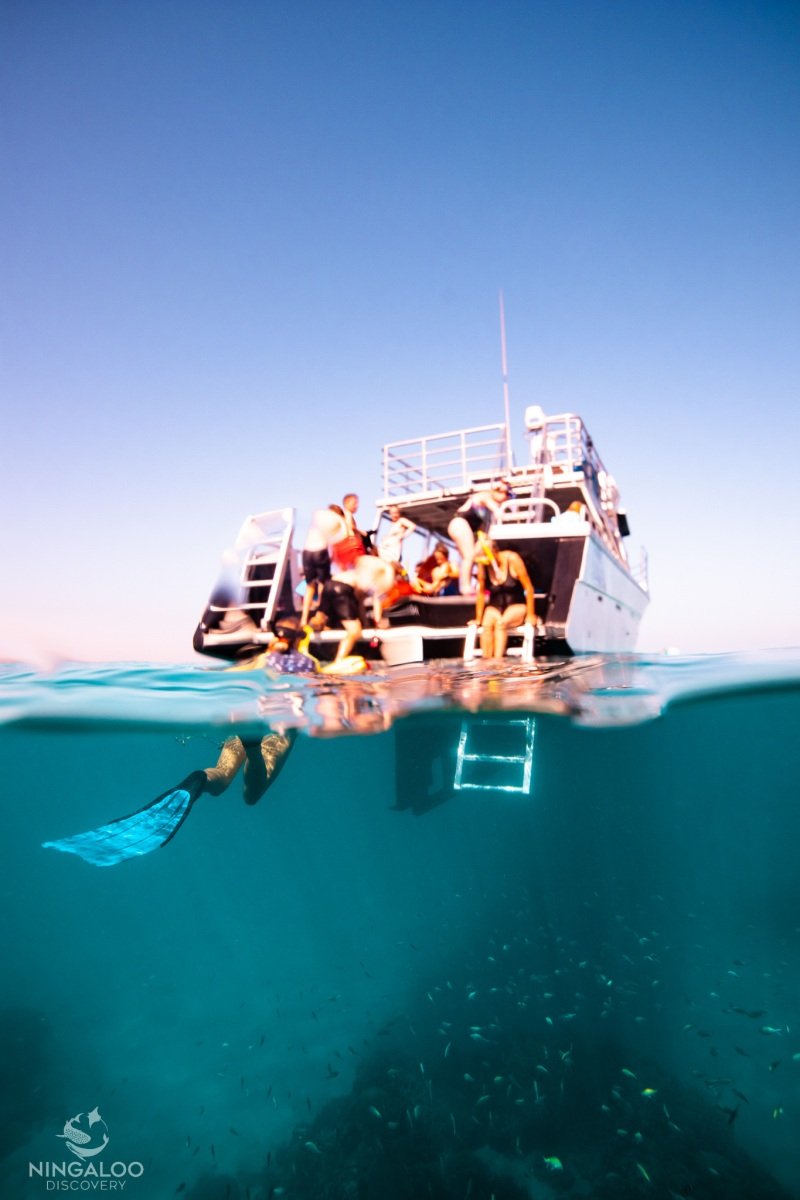
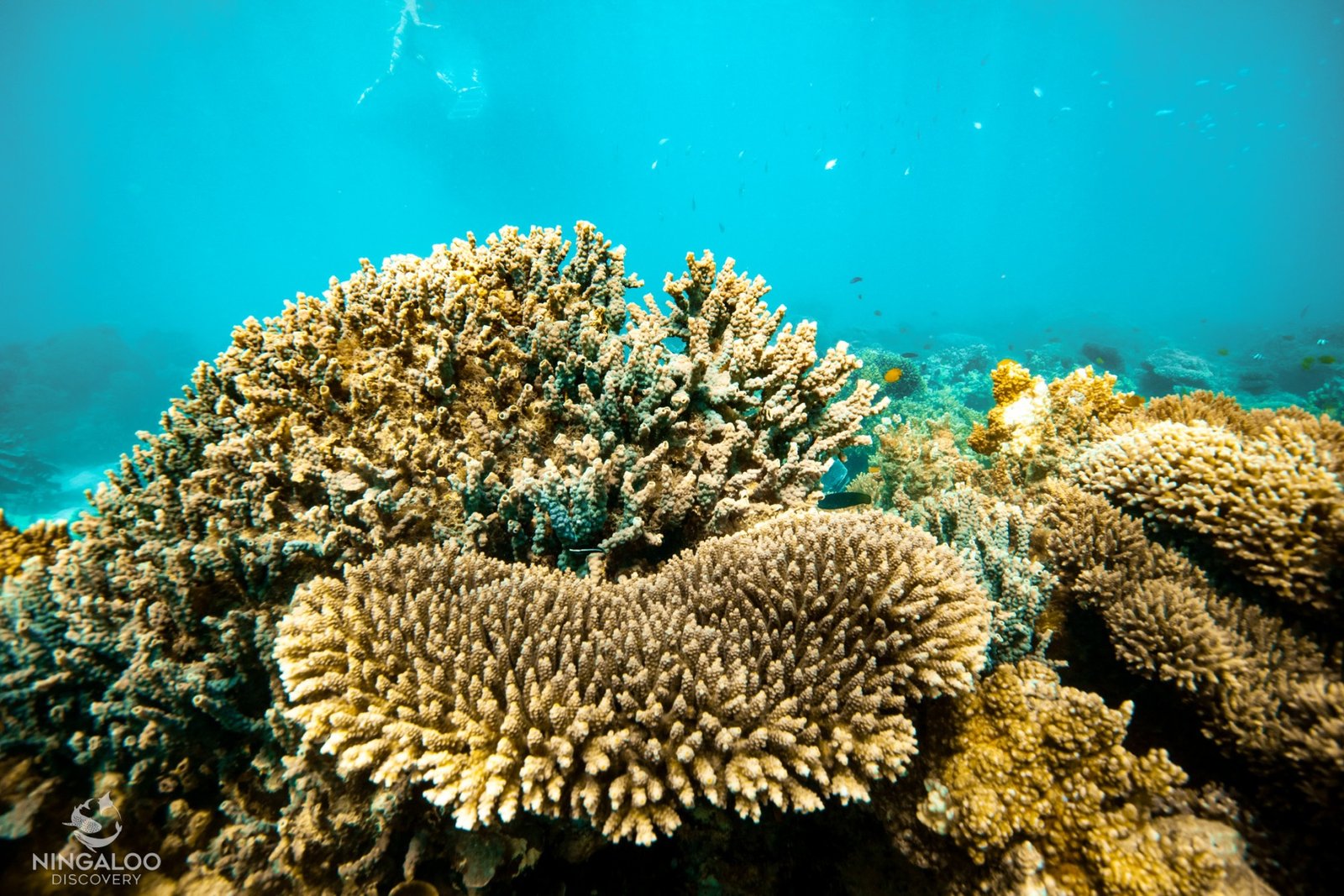
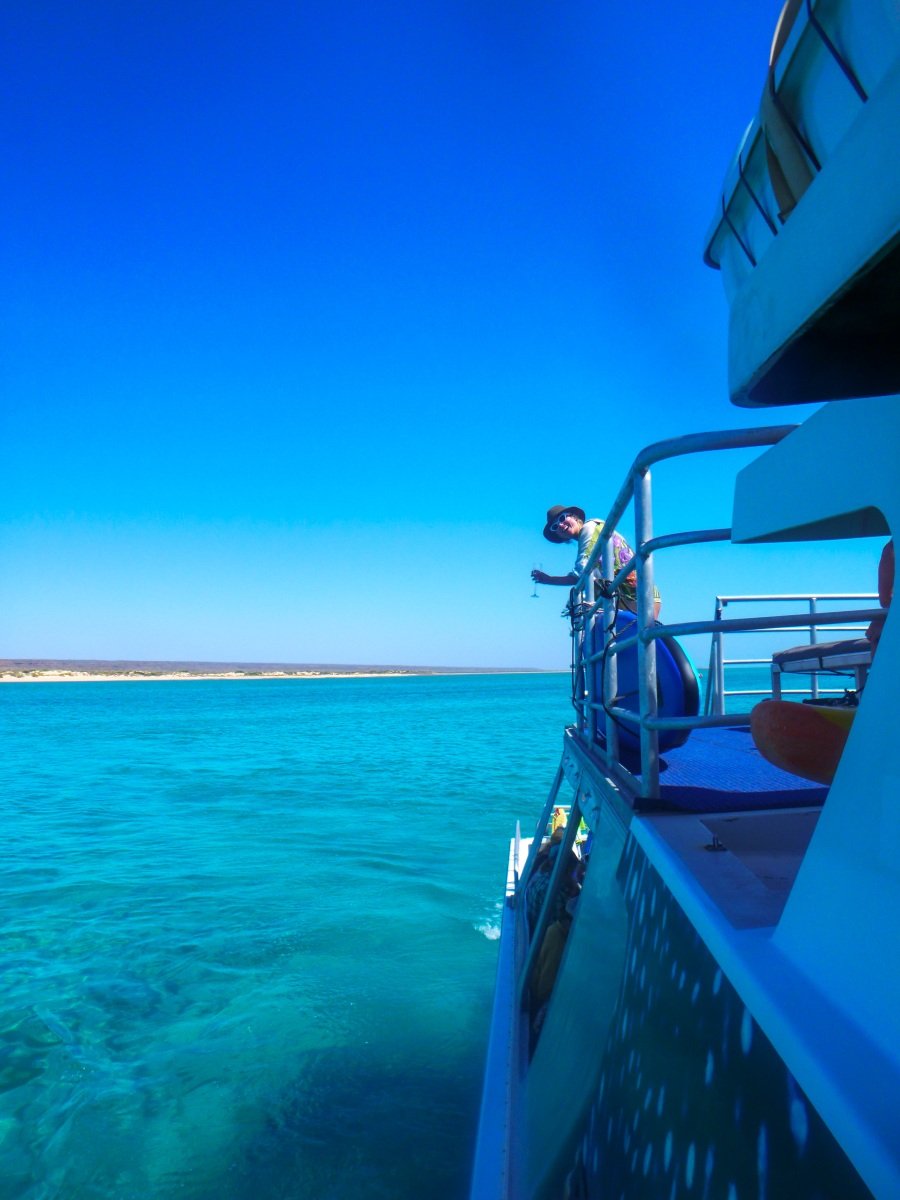
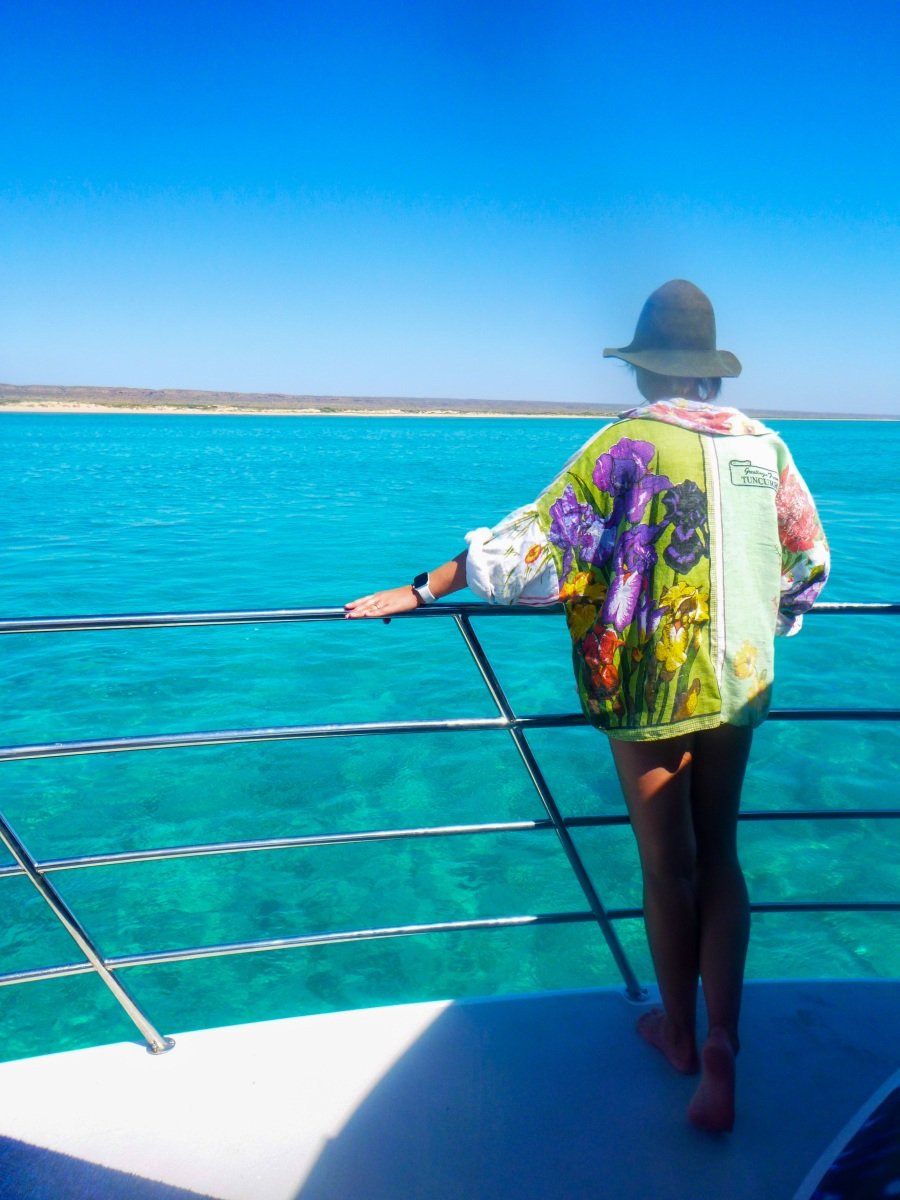
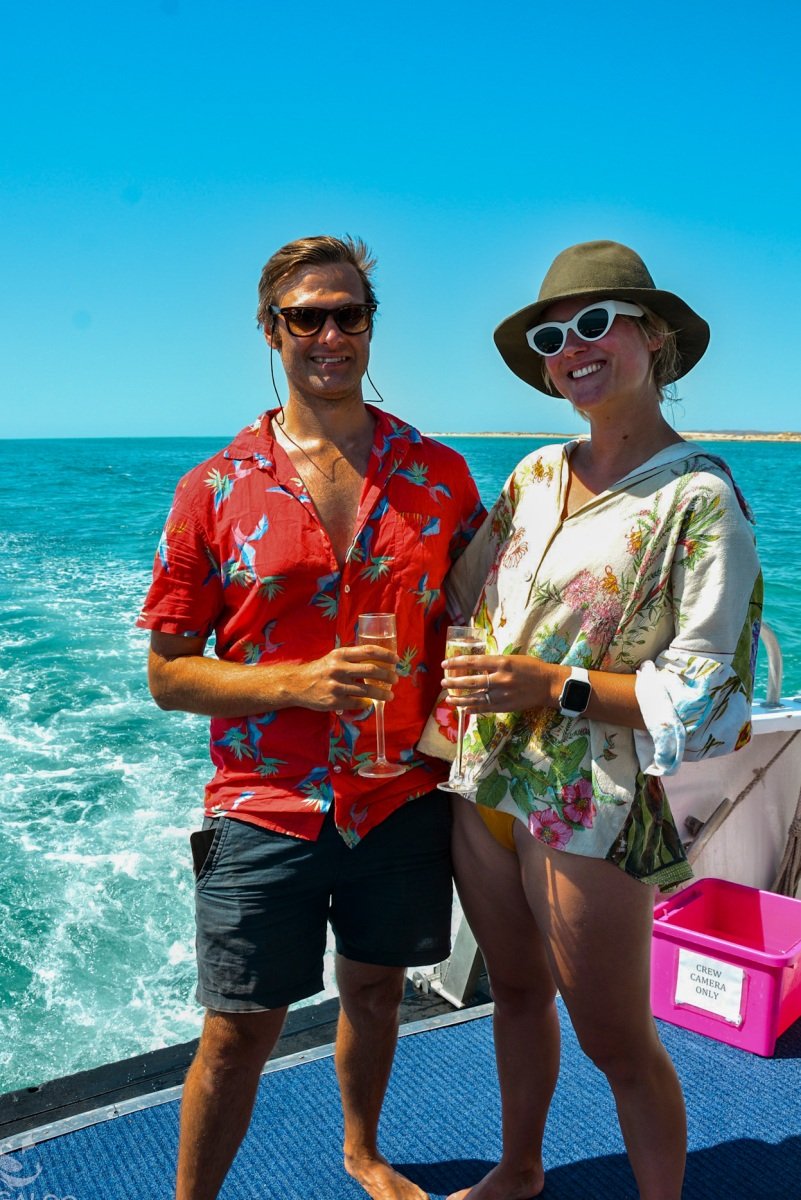
This tour is similarly setup to the first one, but a little more professional and organised. The group today includes some Brazilian girls and it happens that there’s a Brazilian guy on the crew, so there’s a fun energy there. Our practice snorkel is among deep and varied coral.

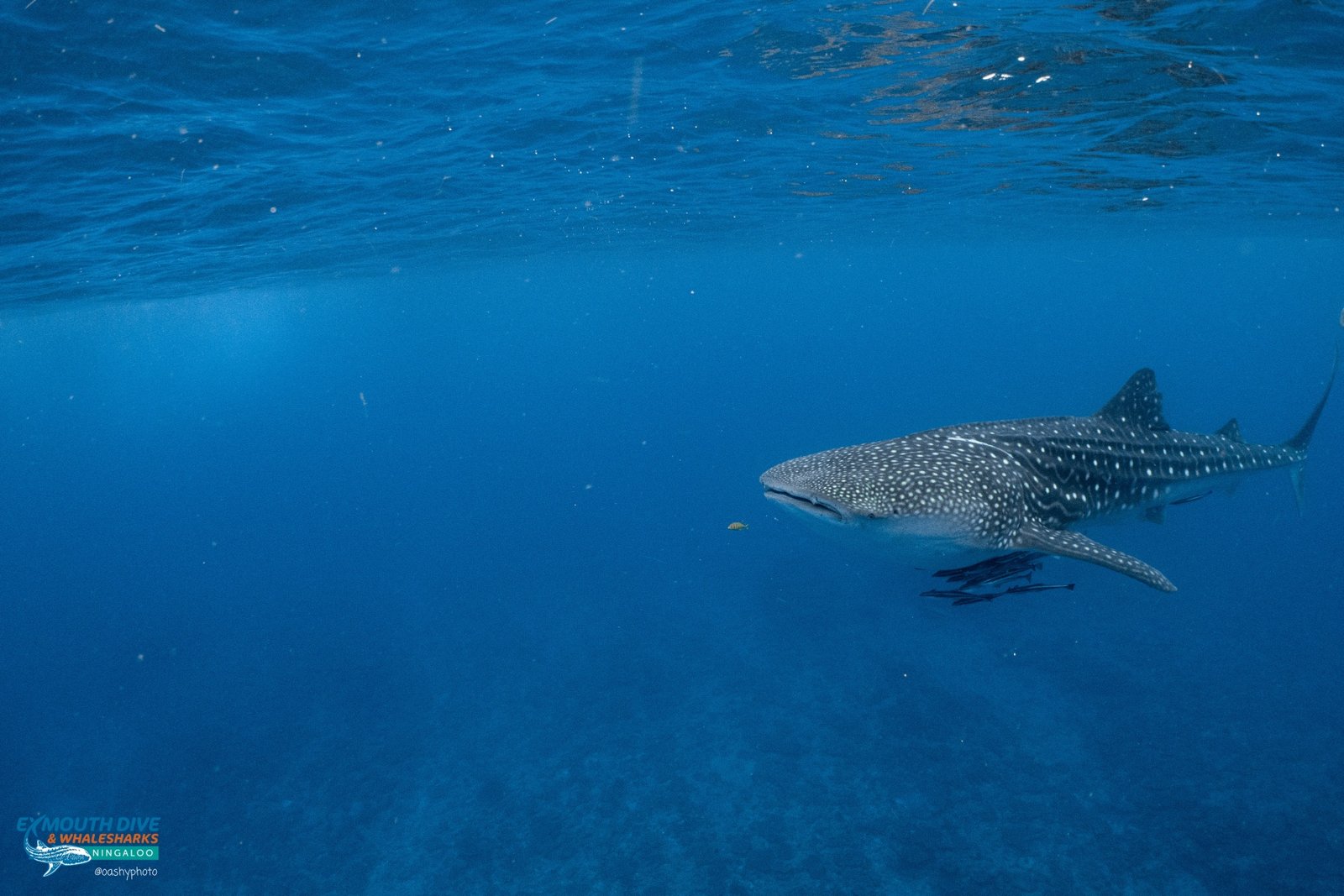
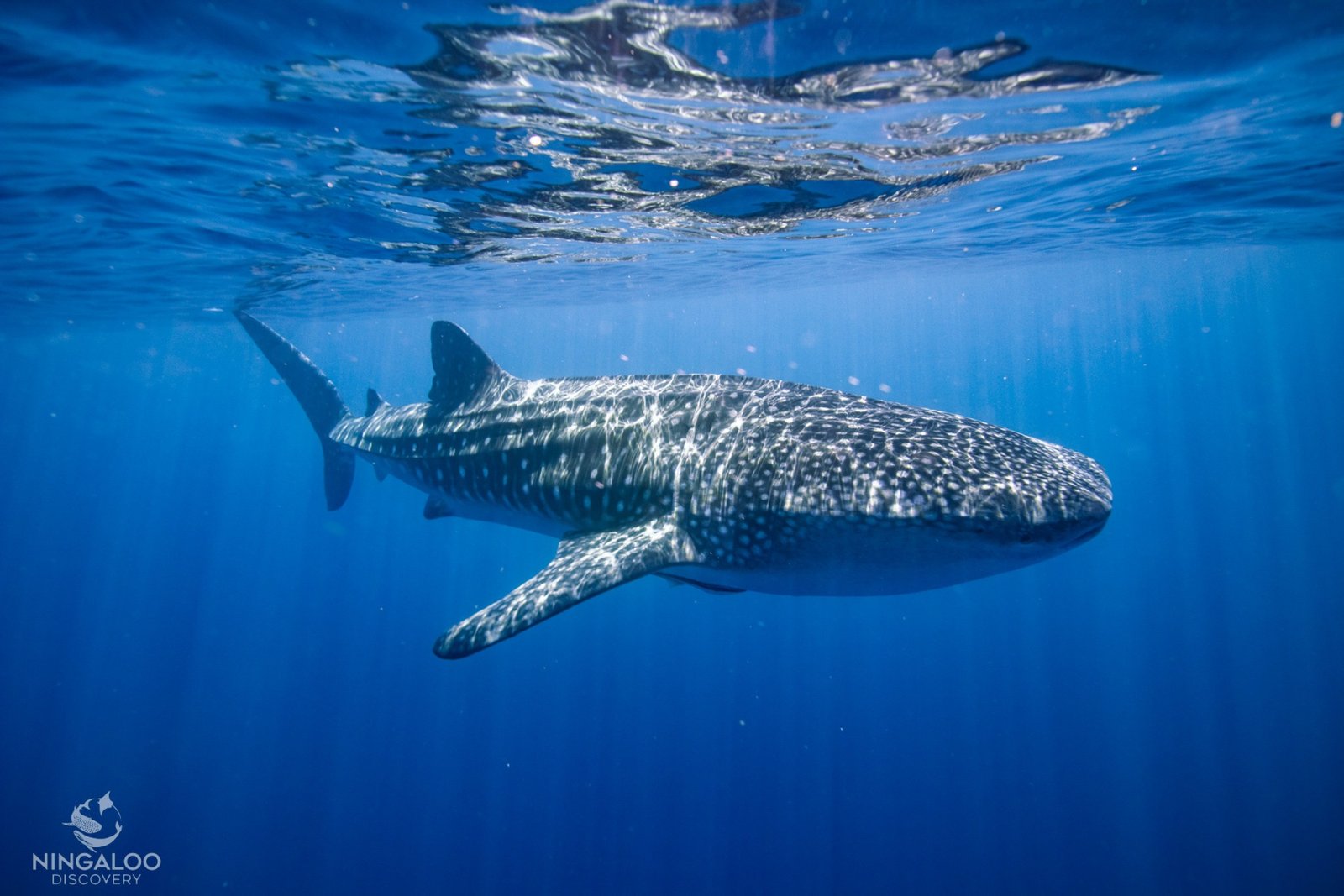
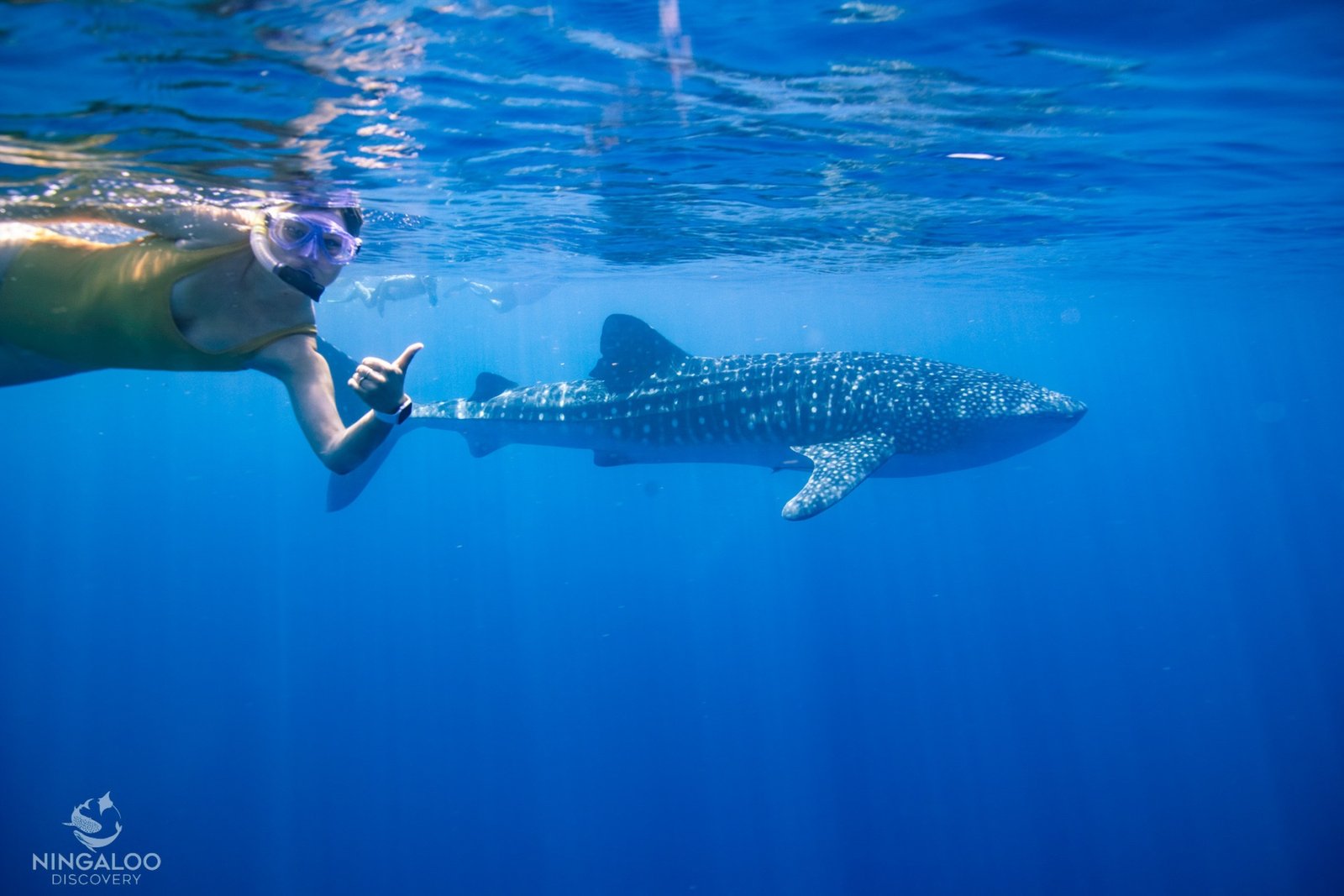
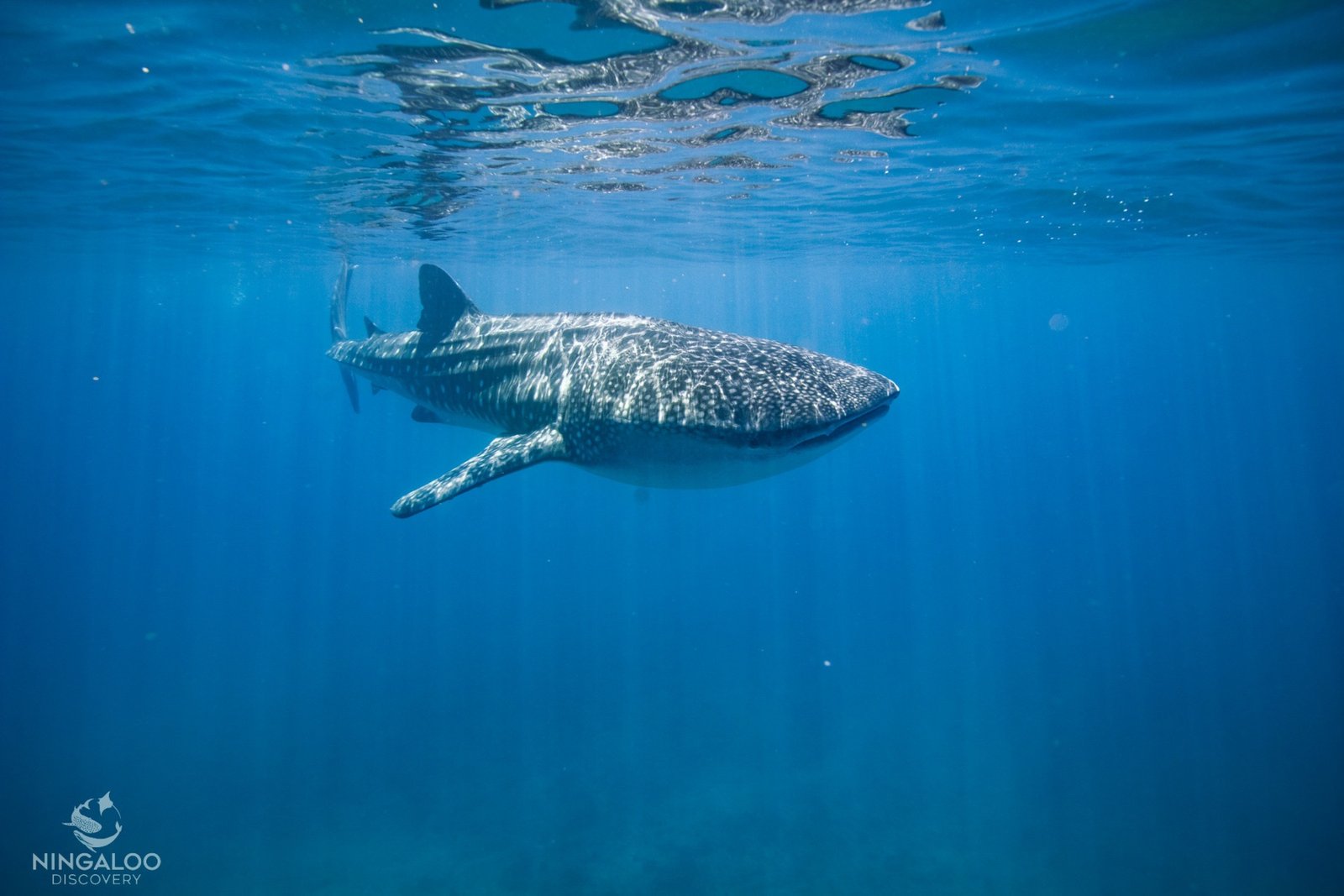
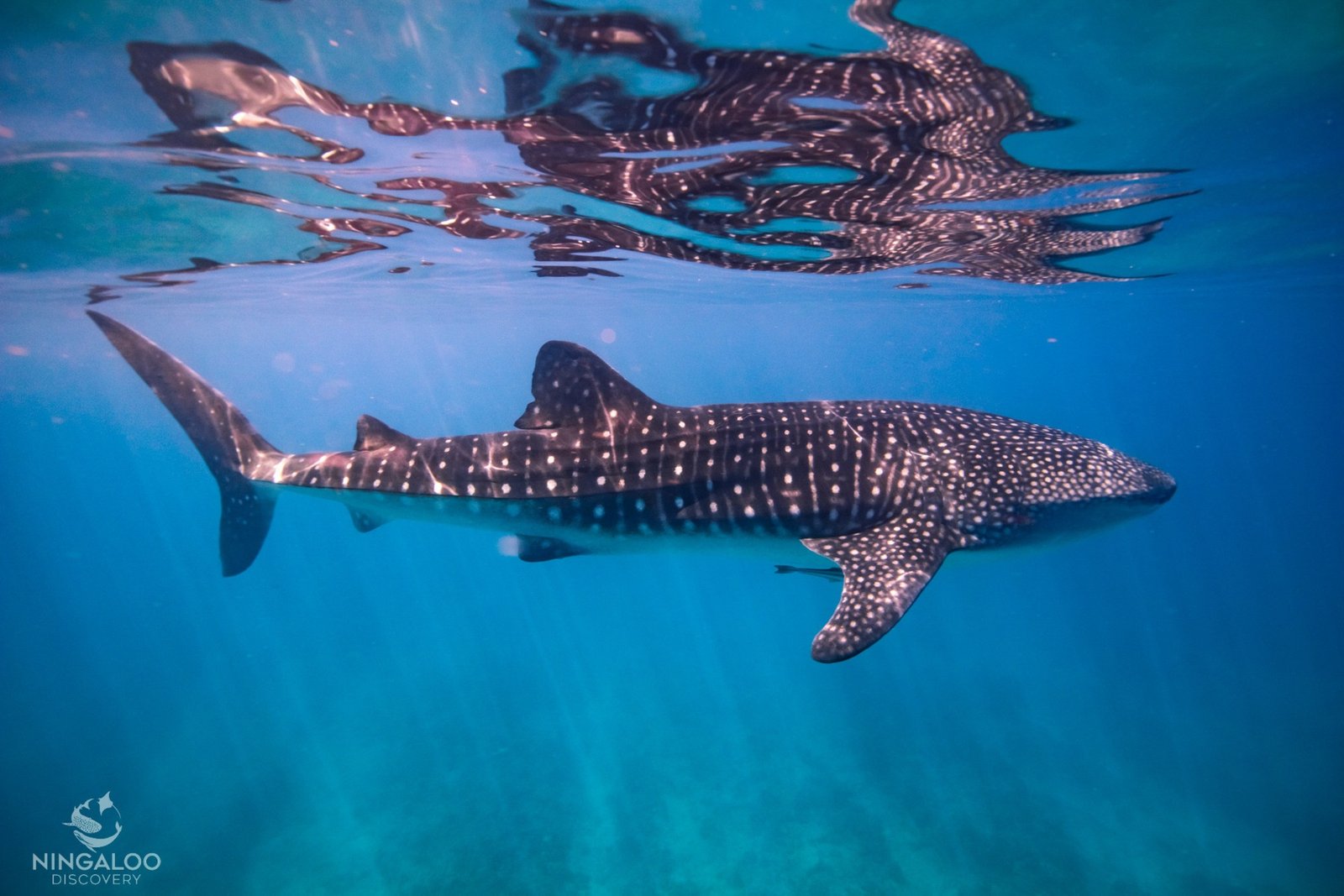
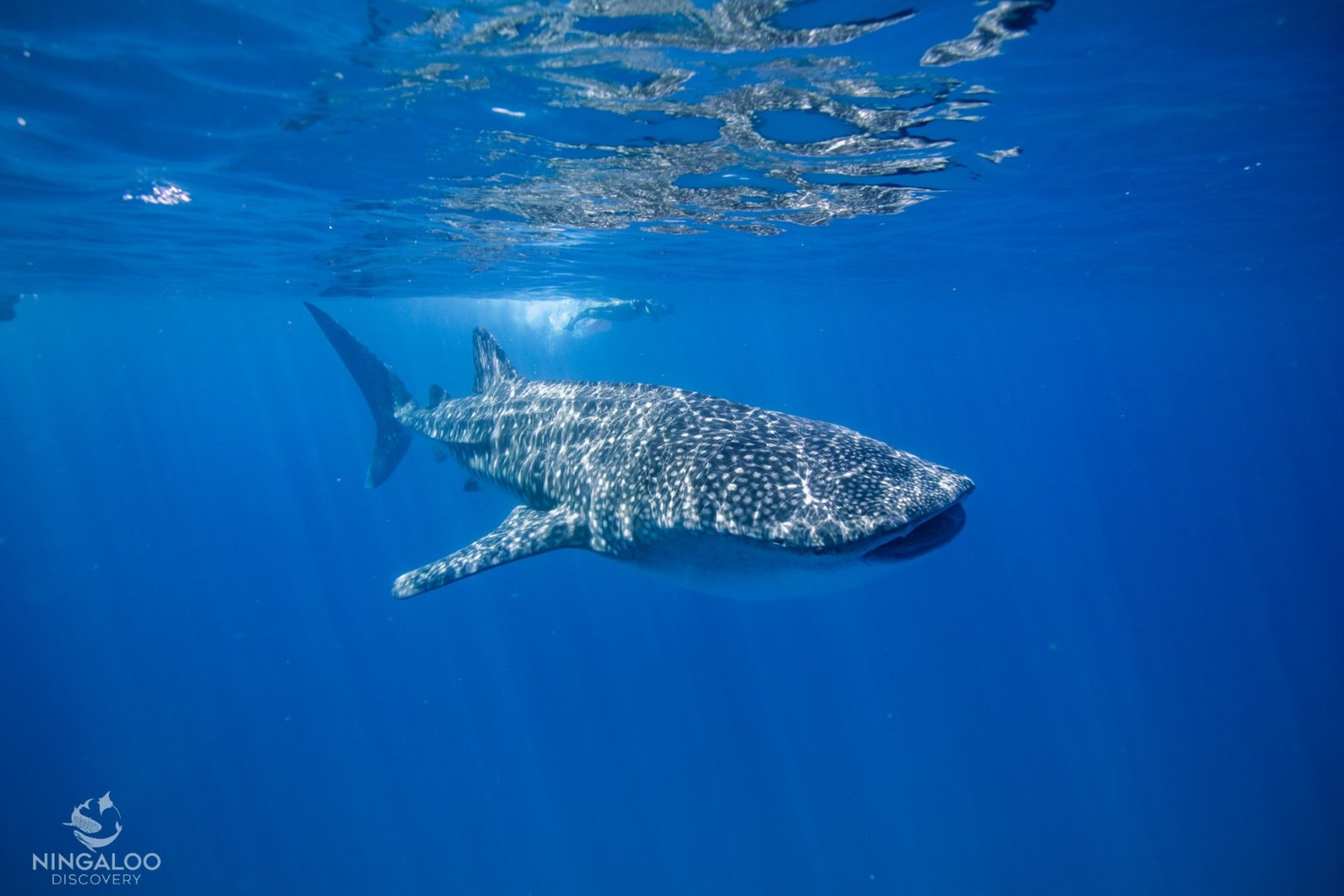
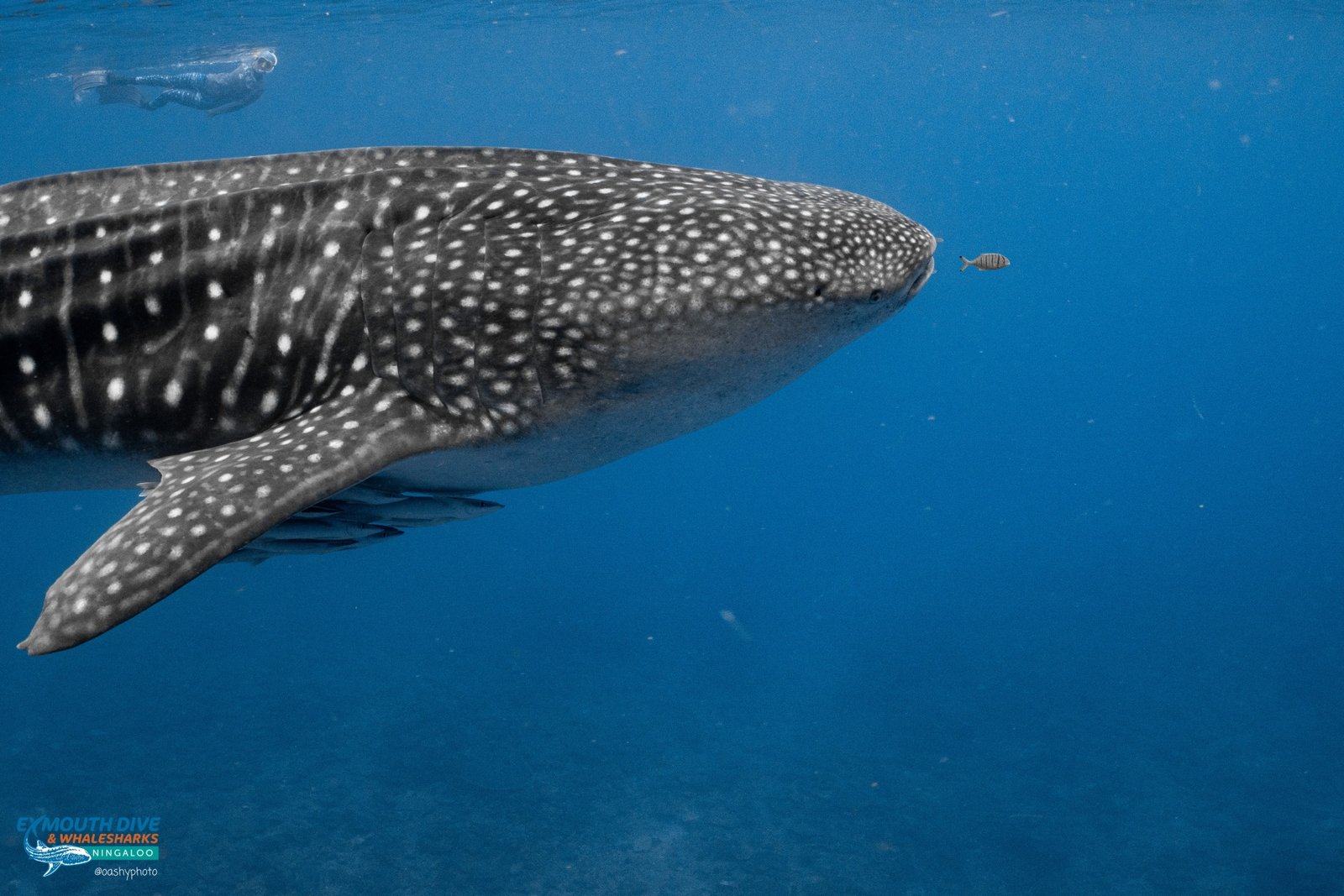
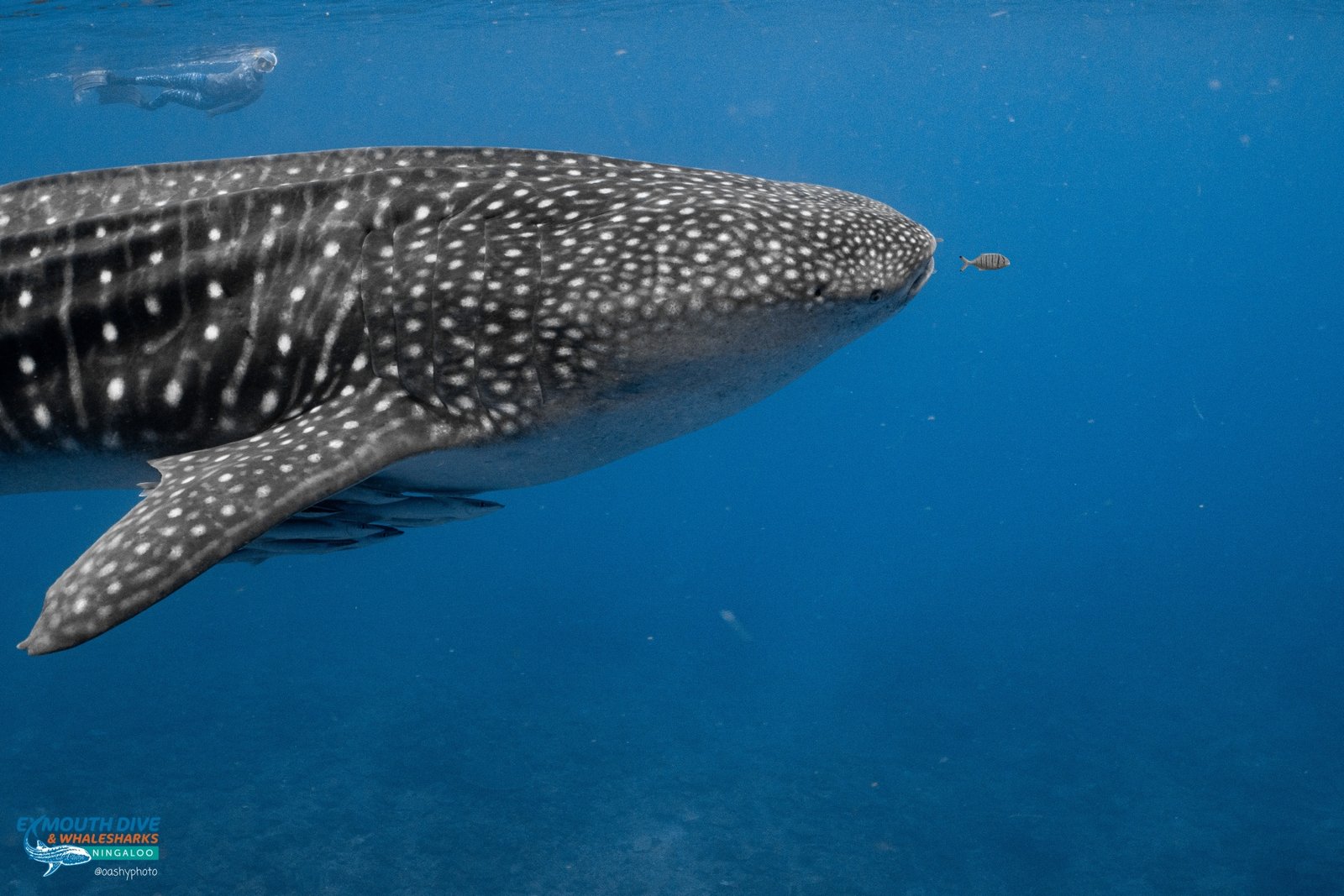
Just like the other cruise, the plane spots a whale shark as we’re getting back into the boat. Knowing the routine makes the swims much easier! We’re quick to get into line and enjoy a few swims. The shark has a little yellow fish just ahead of it, and they seem to be playing a game.

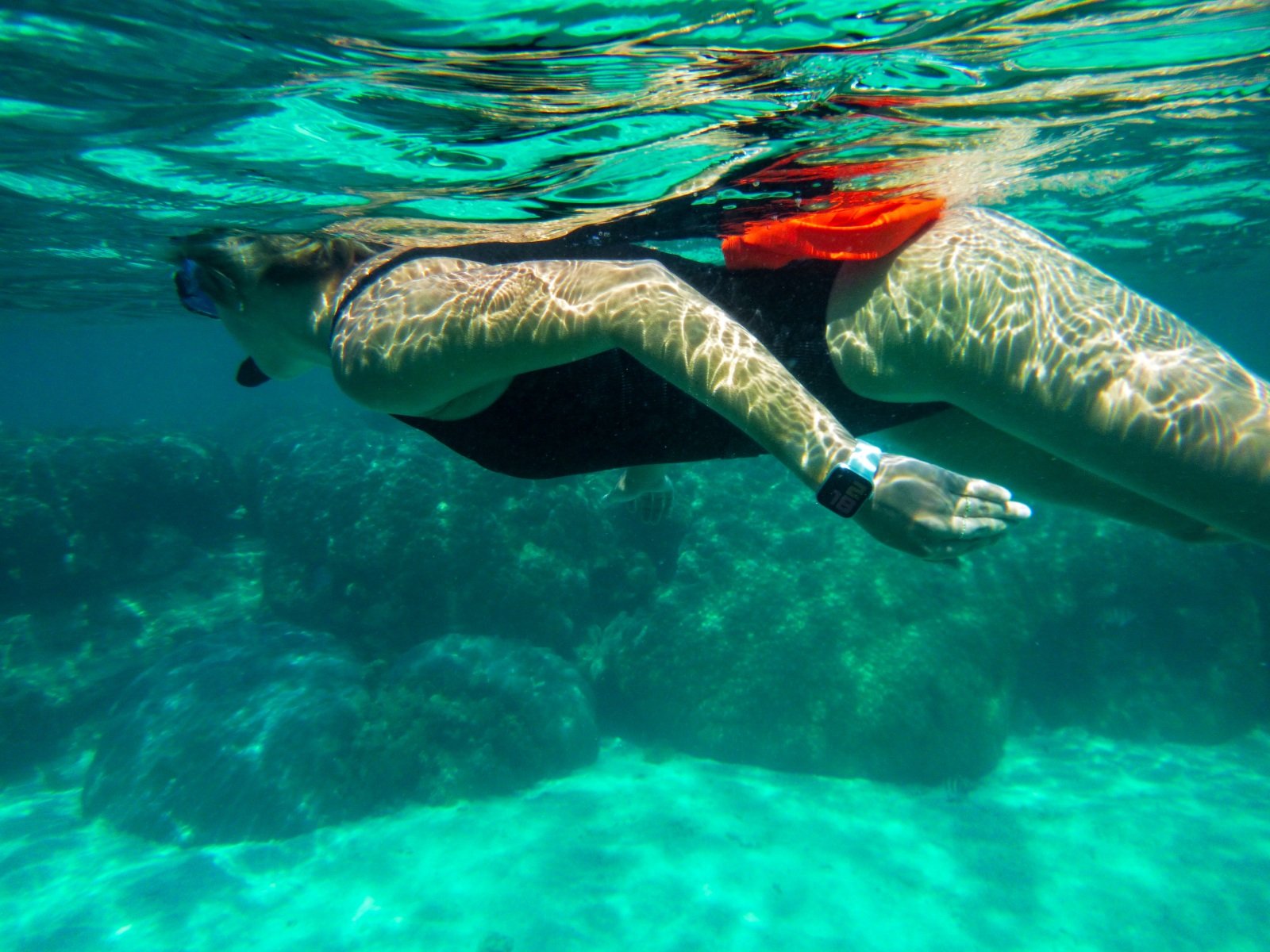
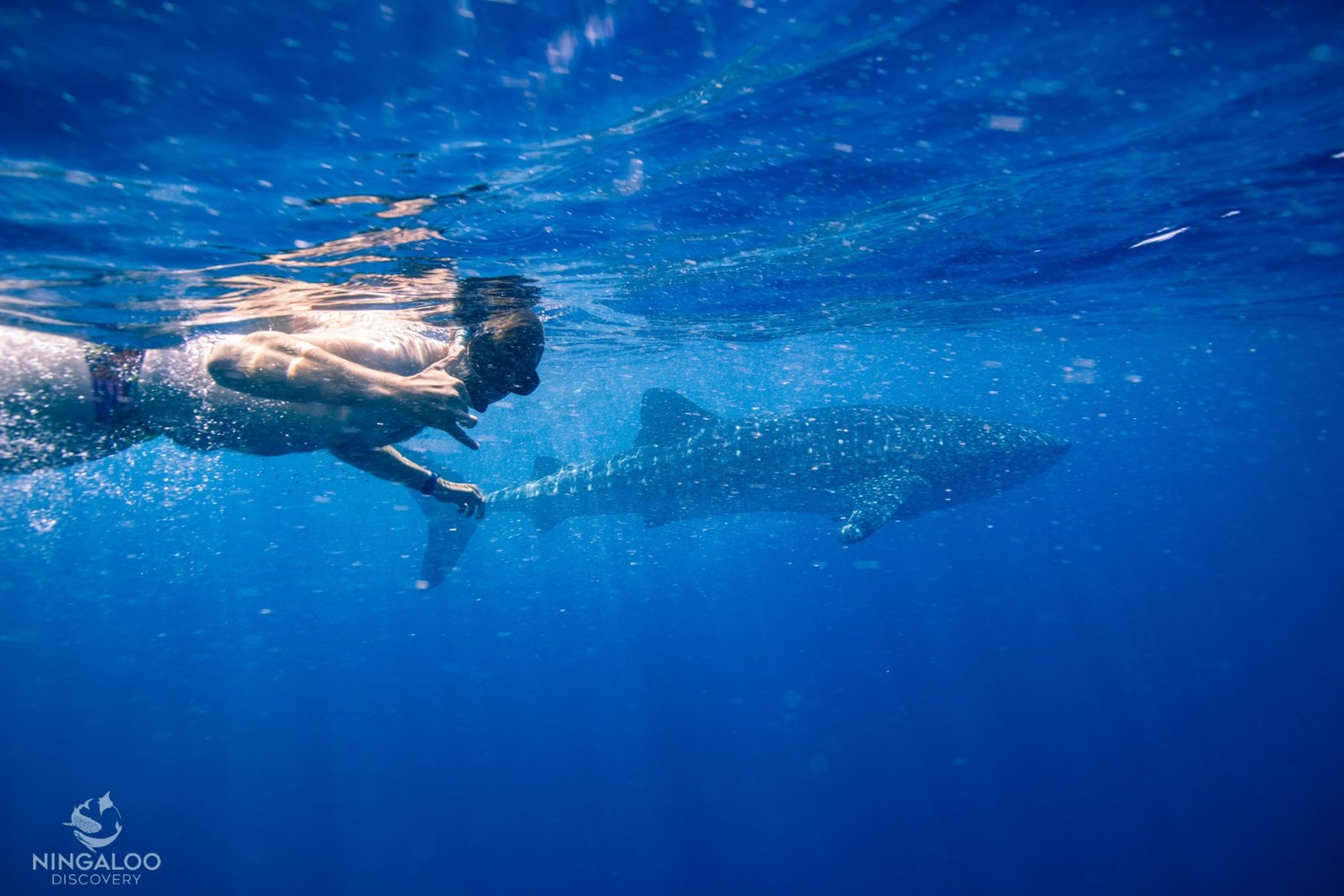
The instructors again tell us to swim to the other side of the shark for clearer water and we enjoy the freedom. As I get my breath in check I feel like I could swim forever.

We have about four rotations of swimming with the shark. When we get back to the boat they say there’s another one they’ve spotted from the air. And we set off for that one.

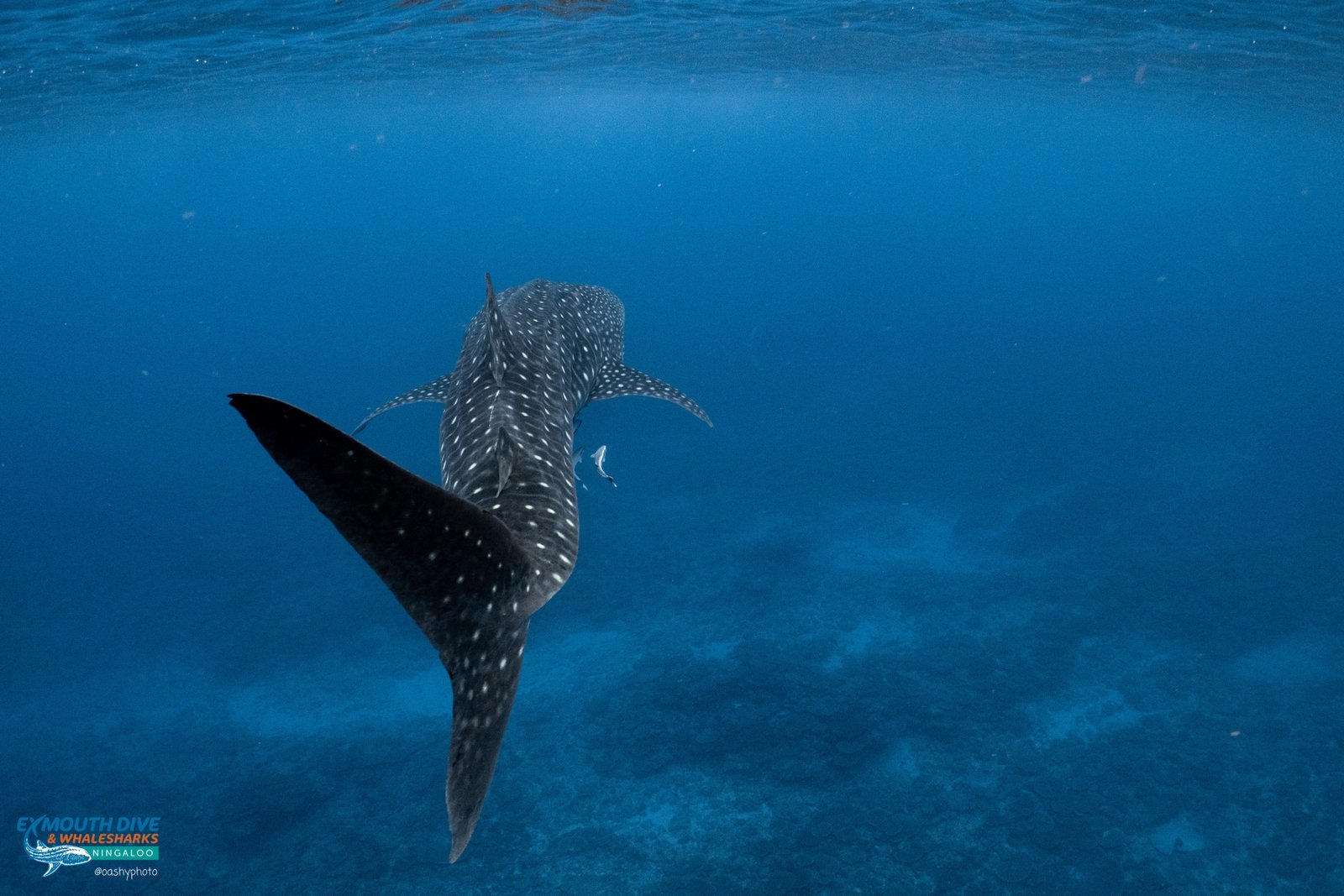
This shark has a long scar along its back. As people begin to grow tired fewer and fewer get in for their swim. In the end we swim with this whale shark 7-8 times. The final swim is just us and two instructors, they let us swim for ages and ages – I think they’re having us much fun as we are.

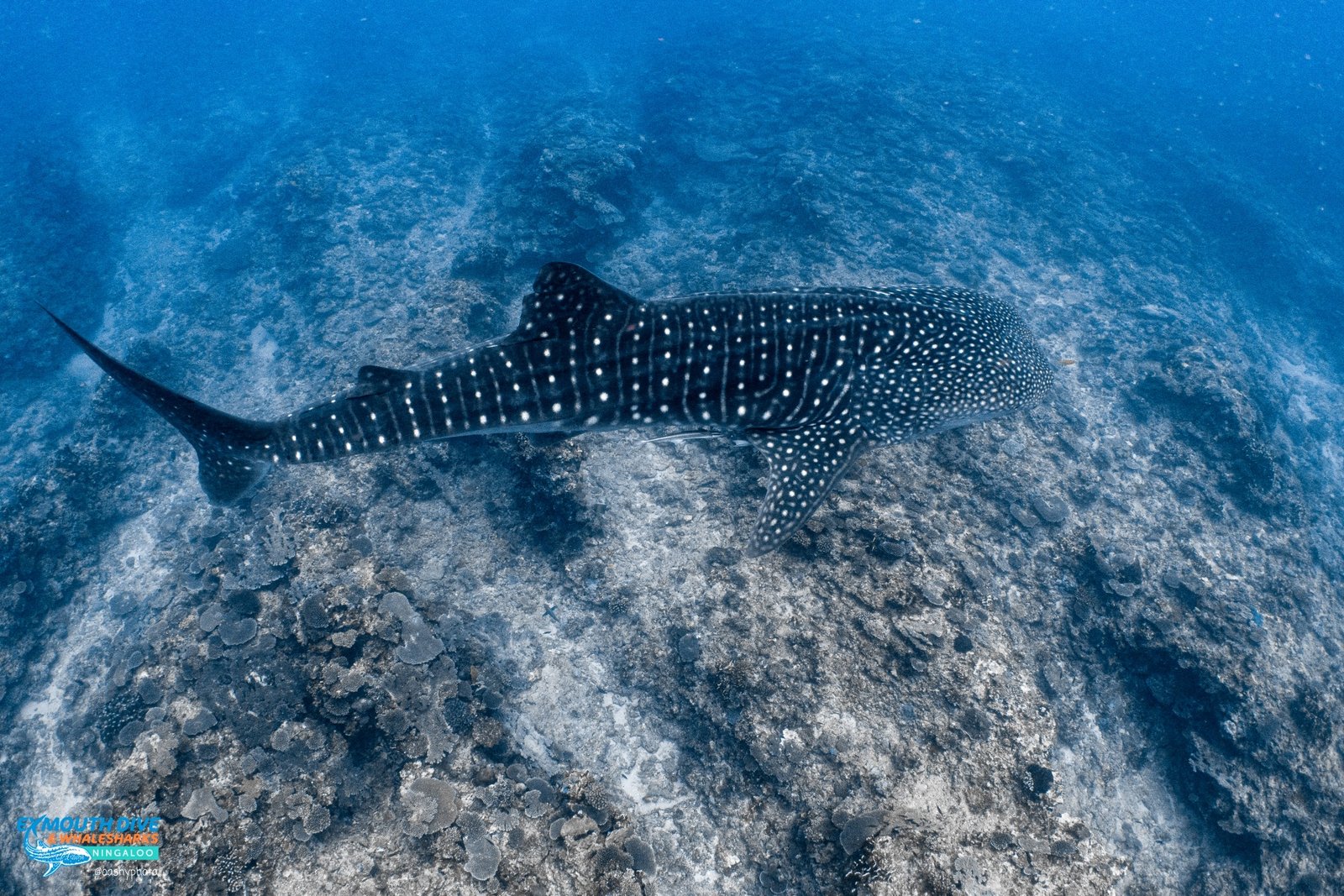
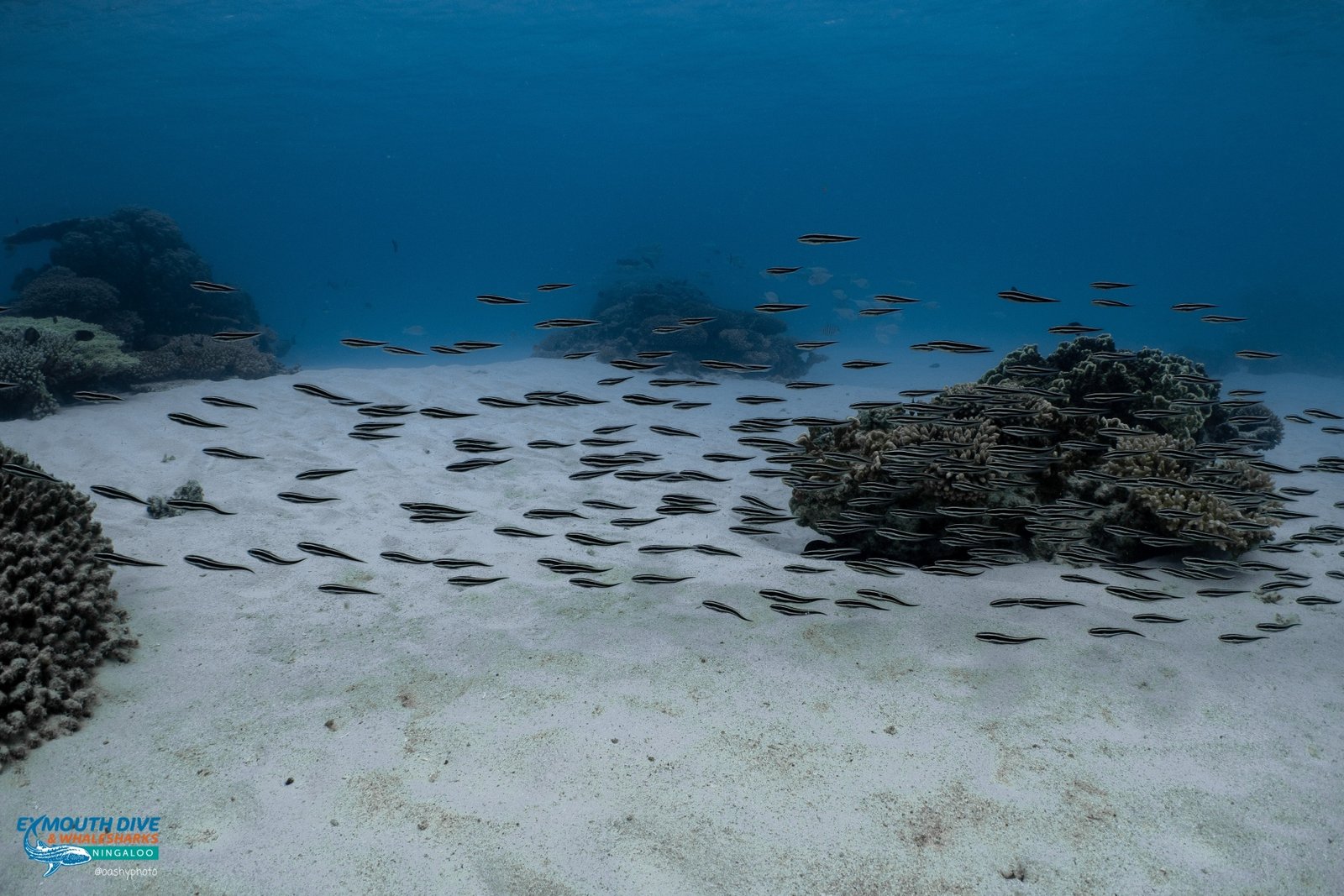
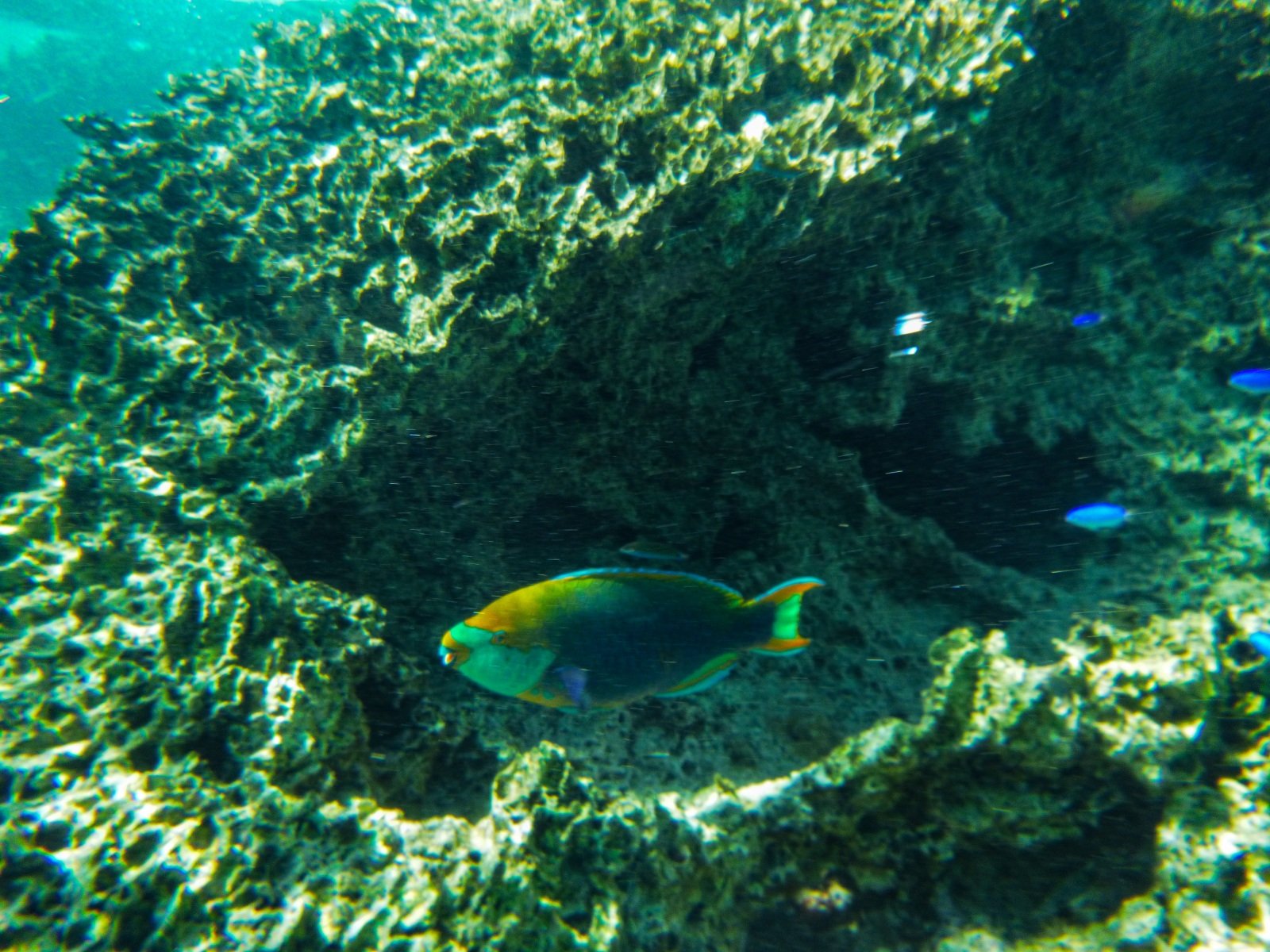
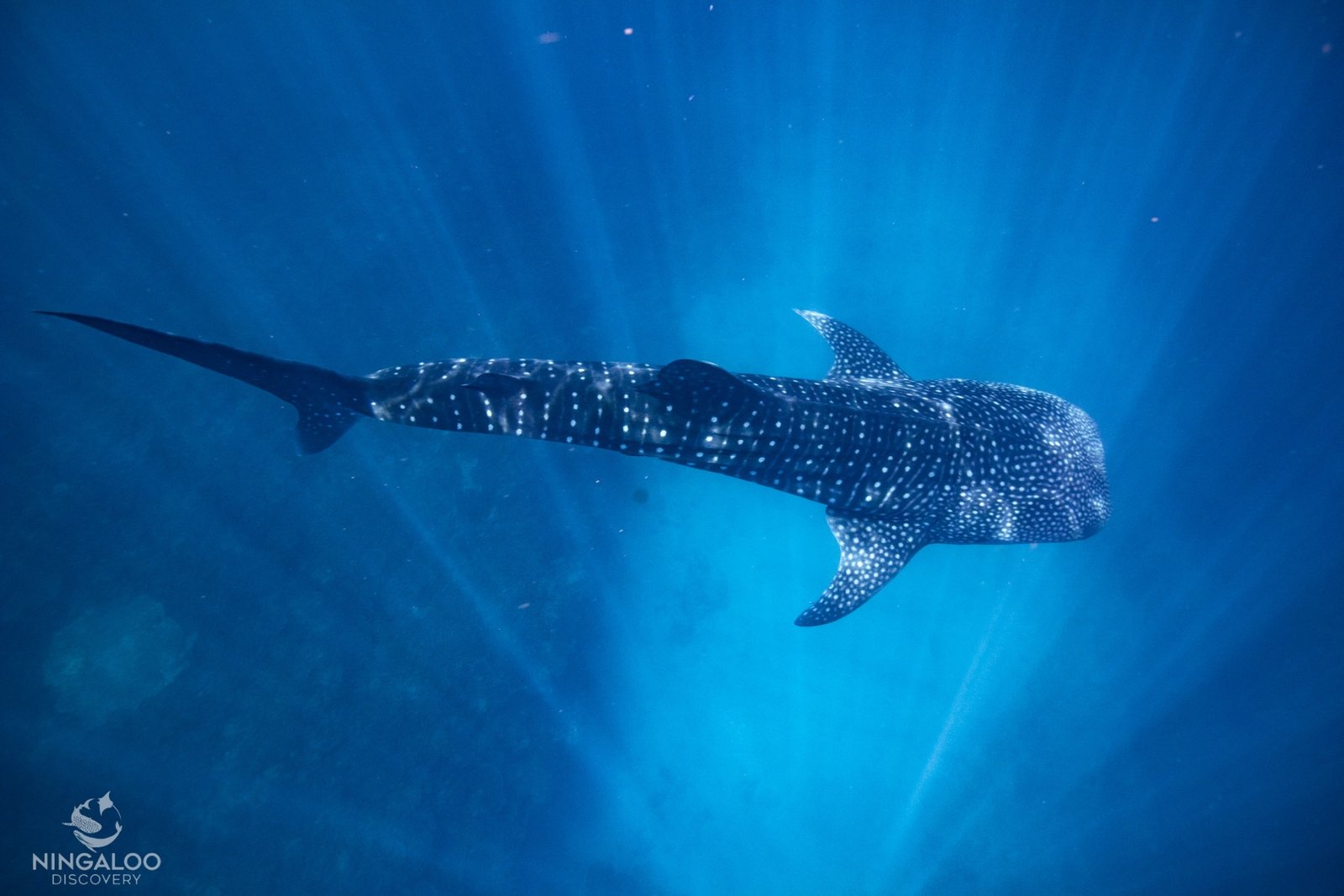
The shark is slowly swimming down well below the surface, near the coral; then coming back up to just below the surface. On the previous tour the sea floor was flat sand, making the shark stand out. Now watching the shark against this coral, its spots blend into the surrounds, so when it comes back up it dramatically emerges from the deep.

Coming as much from the crew as the tourists is spontaneous dancing culminating in a conga line.

This has been another amazing day on the water!

Back in Exmouth we head out to a brewery for dinner.

Cape Range — Day 4

Very slow day today. The wind picked up through the night and started really beating on the tent. By morning the creaking tent had frayed my nerves and we spent some time security the tent to the ground and back to the car. Then we tried to shelter in the car instead. I still found that fairly oppressive feeling, salty, unshowered, hot and tired from a good but active day yesterday…I got the shits.

As usual, Anna’s sense of impermanence helped her cope better than me, and she rightly pointed out that we should see what it was like on the water-side of the dune. It was much calmer, so we took shelter there instead.

We really didn’t do much for the whole day. Sunset and moonrise were going to occur within half an hour, and we thought we’d be able to watch both from the lighthouse.

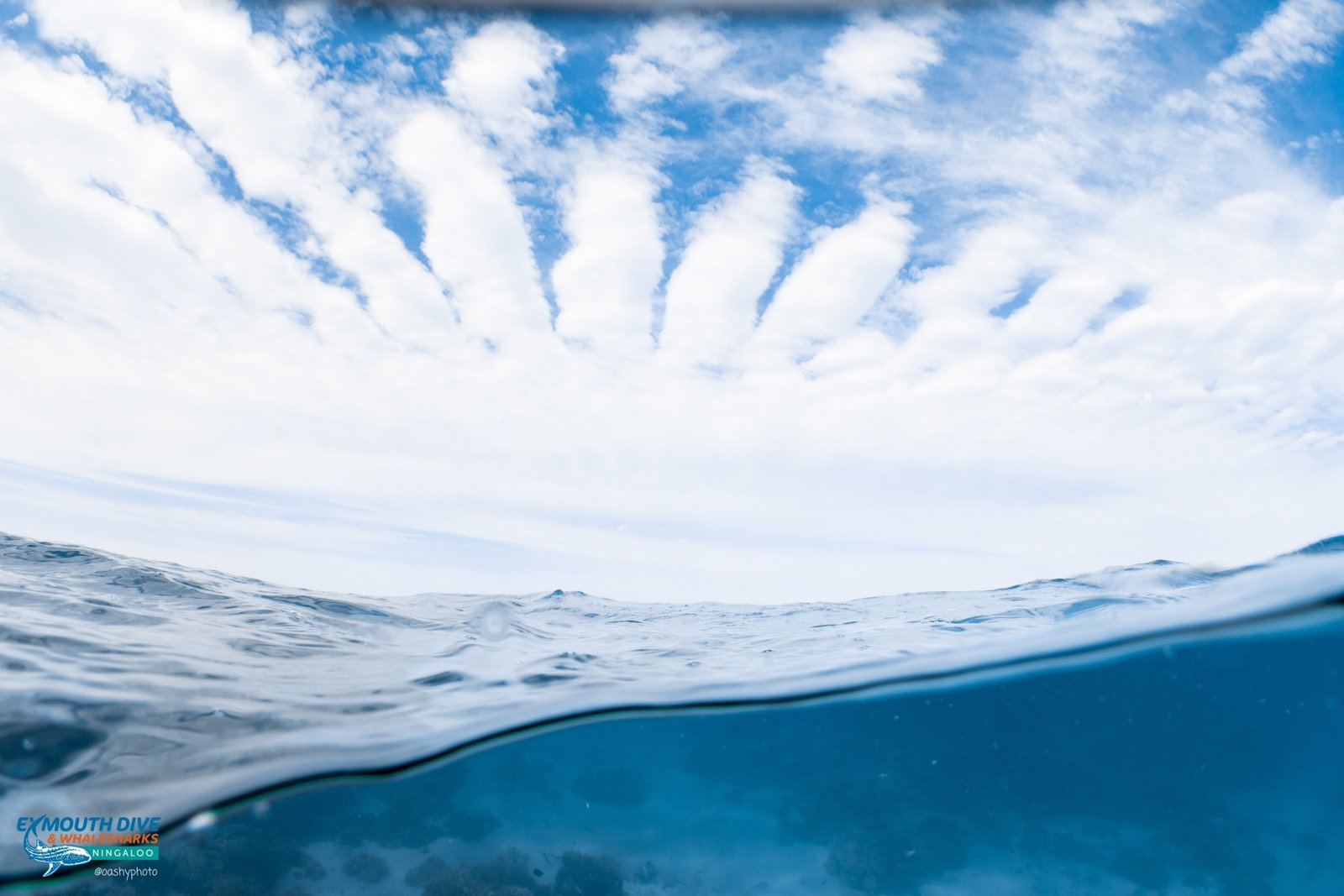
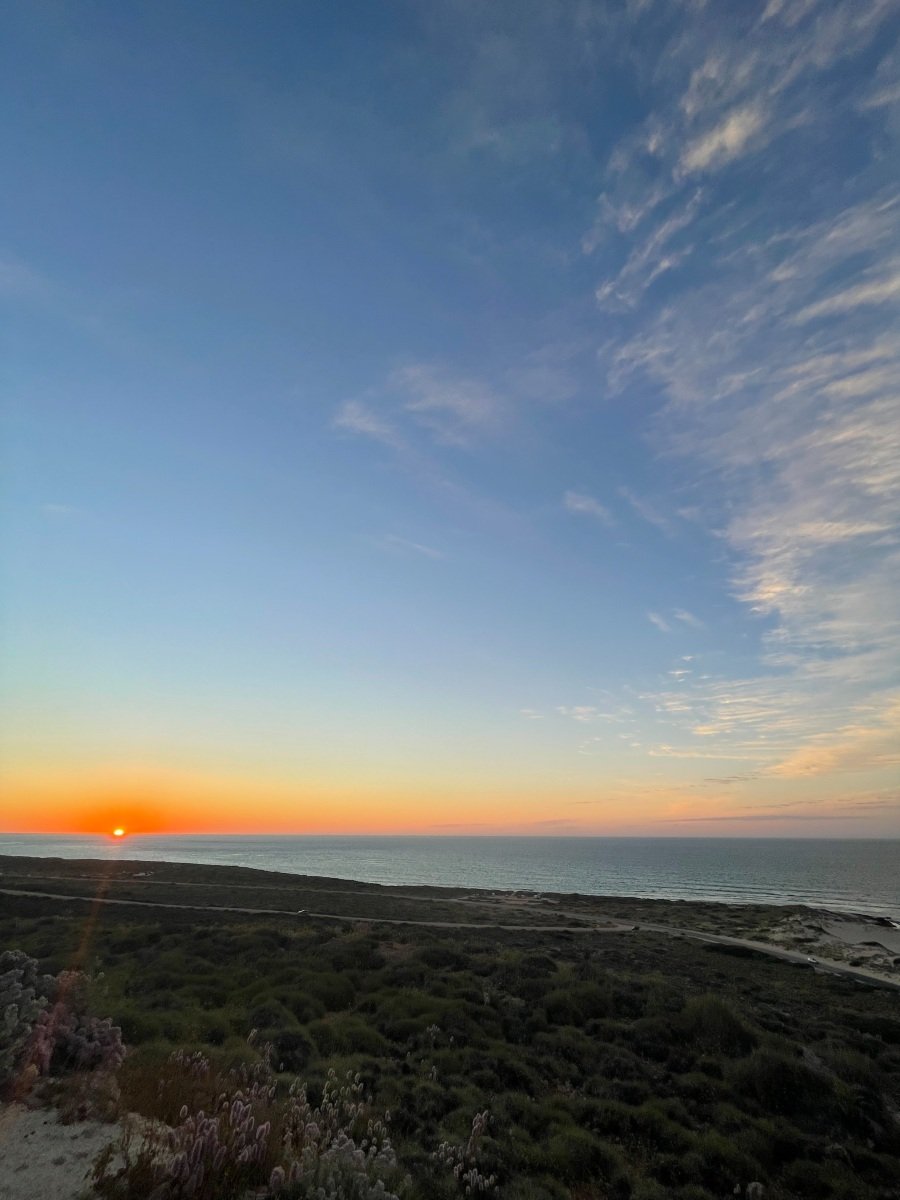
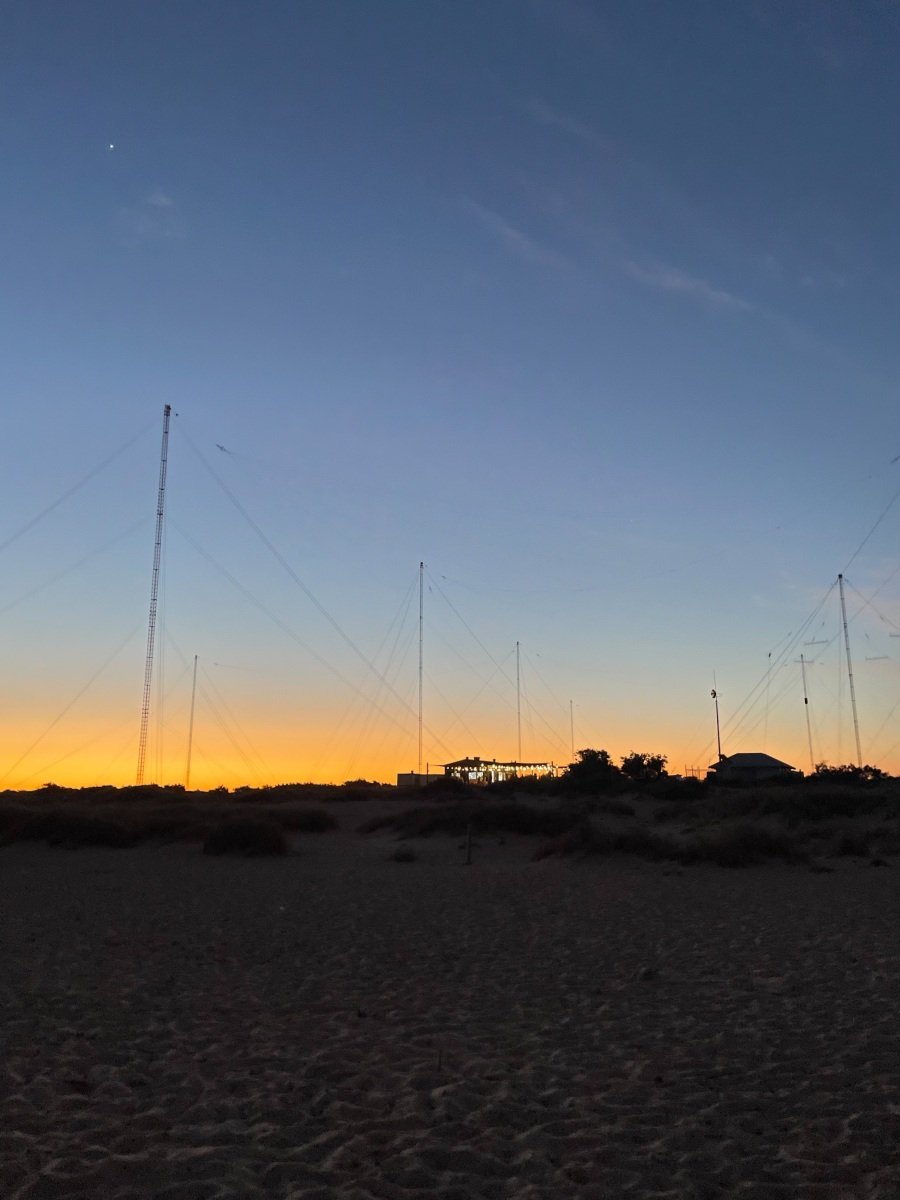
From the lighthouse the sunset was framed by vast ocean and streaking clouds. We realised we weren’t going to see the moonrise clearly, so we drove further east.

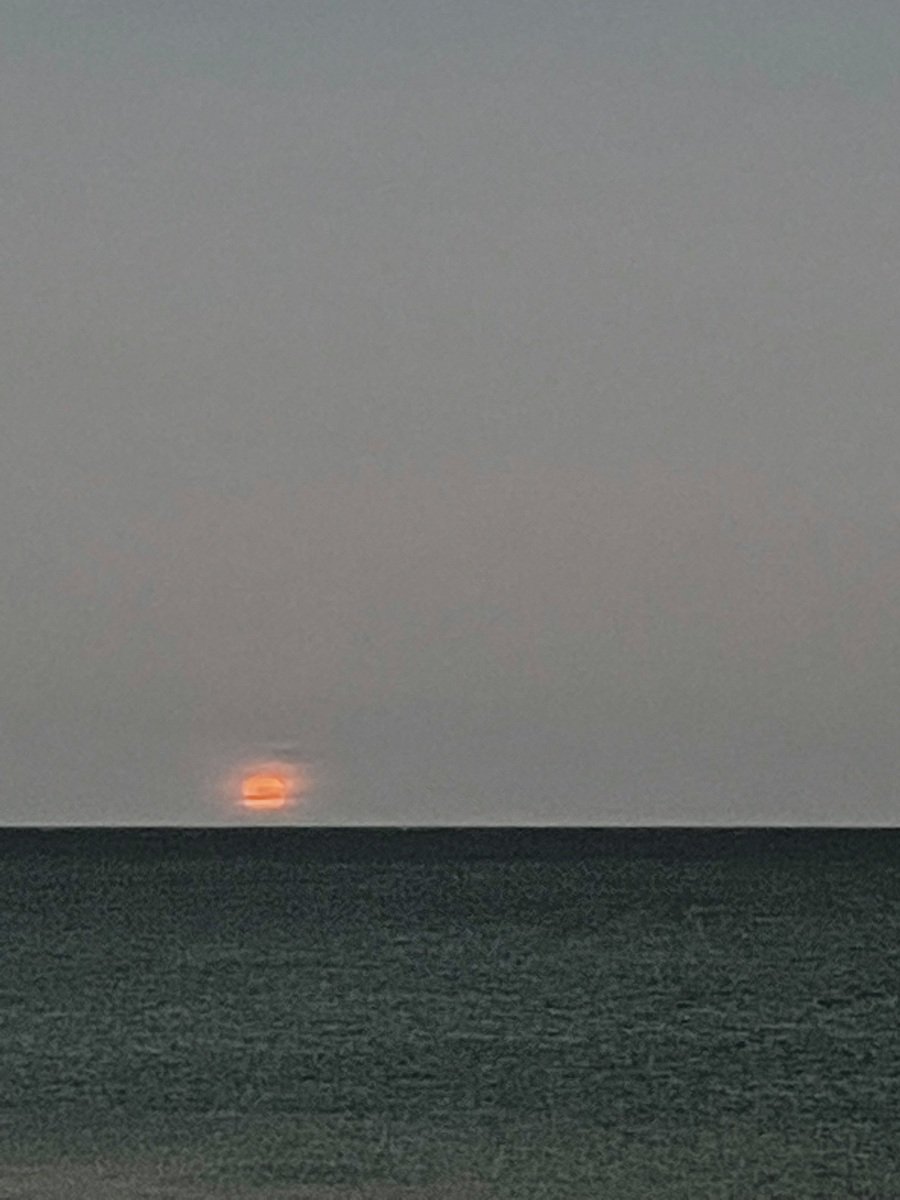
On our drive we came across a café that still open, so we parked there and walked out to the beach to watch the moon come up. For some reason, moonrise over water always makes me think of that poem The Highwayman: “The moon was a ghostly galleon tossed upon cloudy seas//The road was a ribbon of moonlight over the purple moor…”

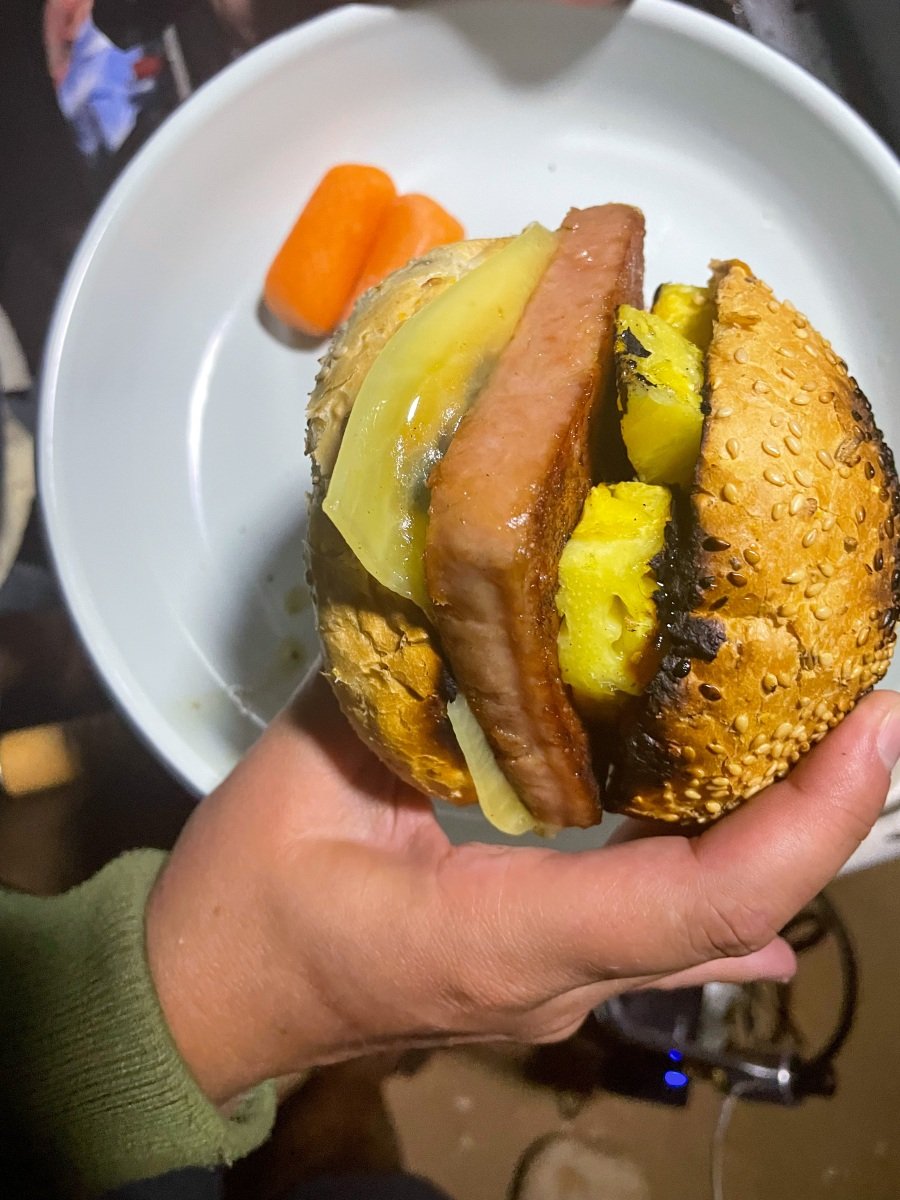
The heat fell from the air and my wind-affected temperament wavered and left. The cafe was serving burgers which we took back to camp with us.

The drive was pitch black, the lightbar spotted all the bugs in the clear night and picked up animal eyes in the scrub by the road. As we neared camp some dingoes were in the road chasing some smaller animal, we slowed enough to see them slink off into the bush.

Cape Range — Day 3

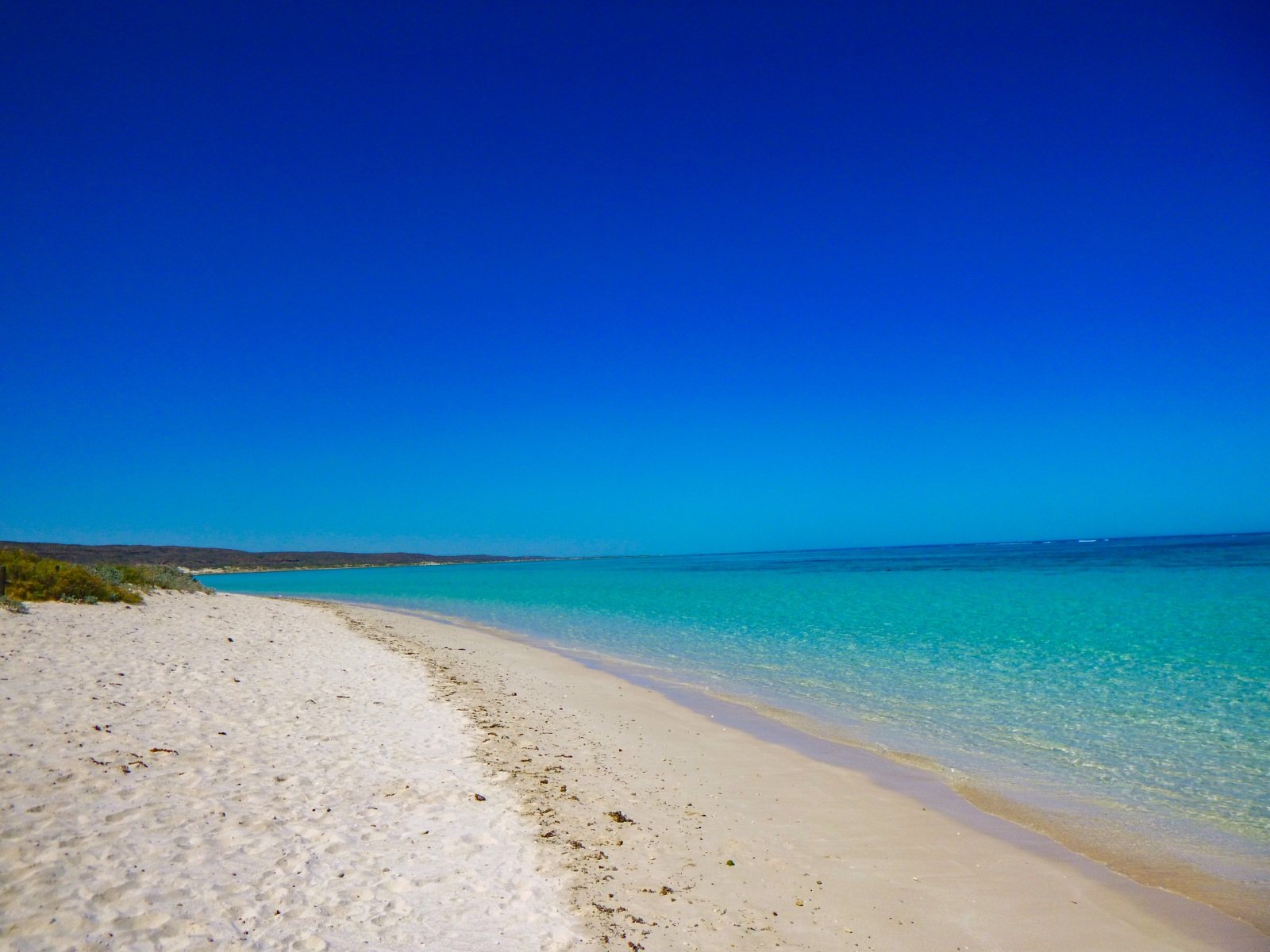
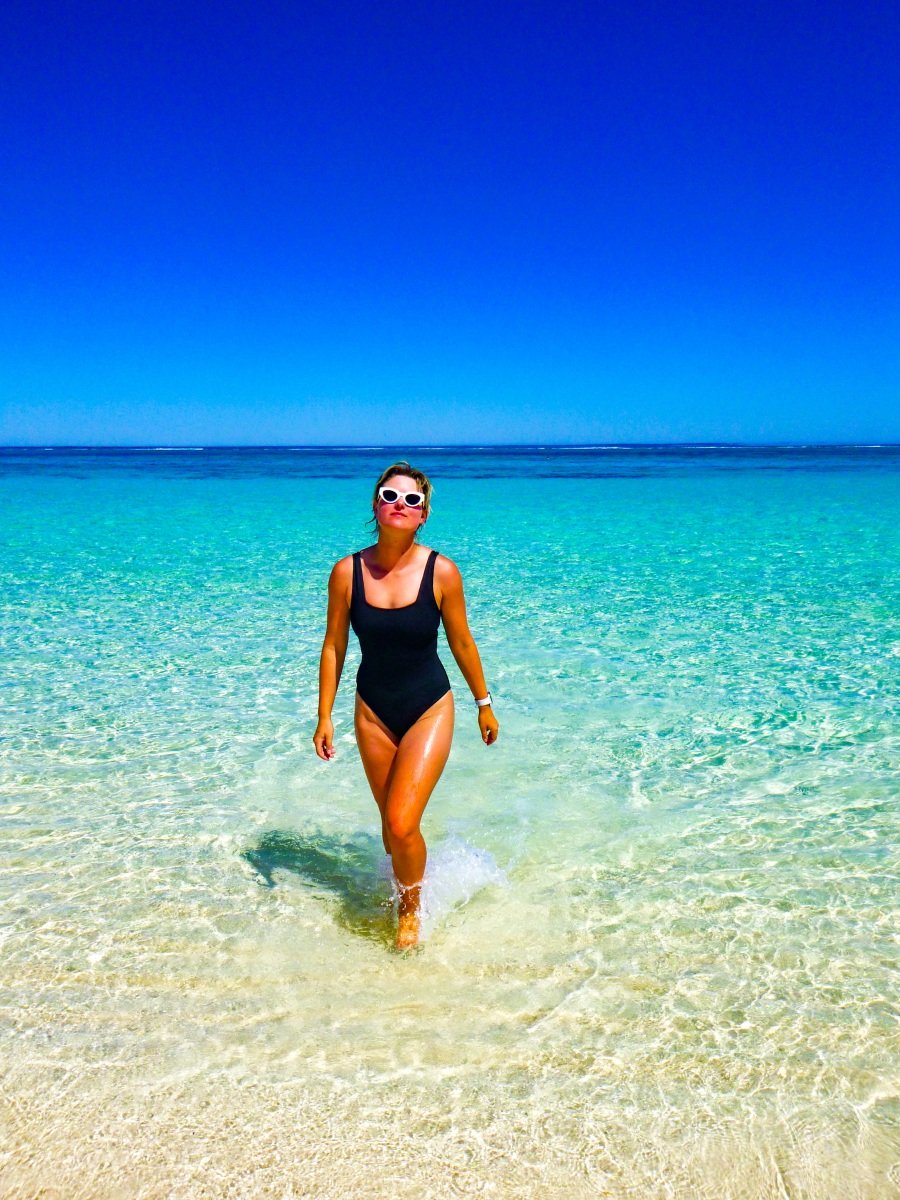
Today we hopped between snorkelling spots along the coast, resting now and again to sunbathe and warm up. The sounds of lapping water over rocks, clicking fish and flapping beach umbrella heighten an occupied but restful day.

Among our favourites places were Oyster Stacks and Turquoise Bay.

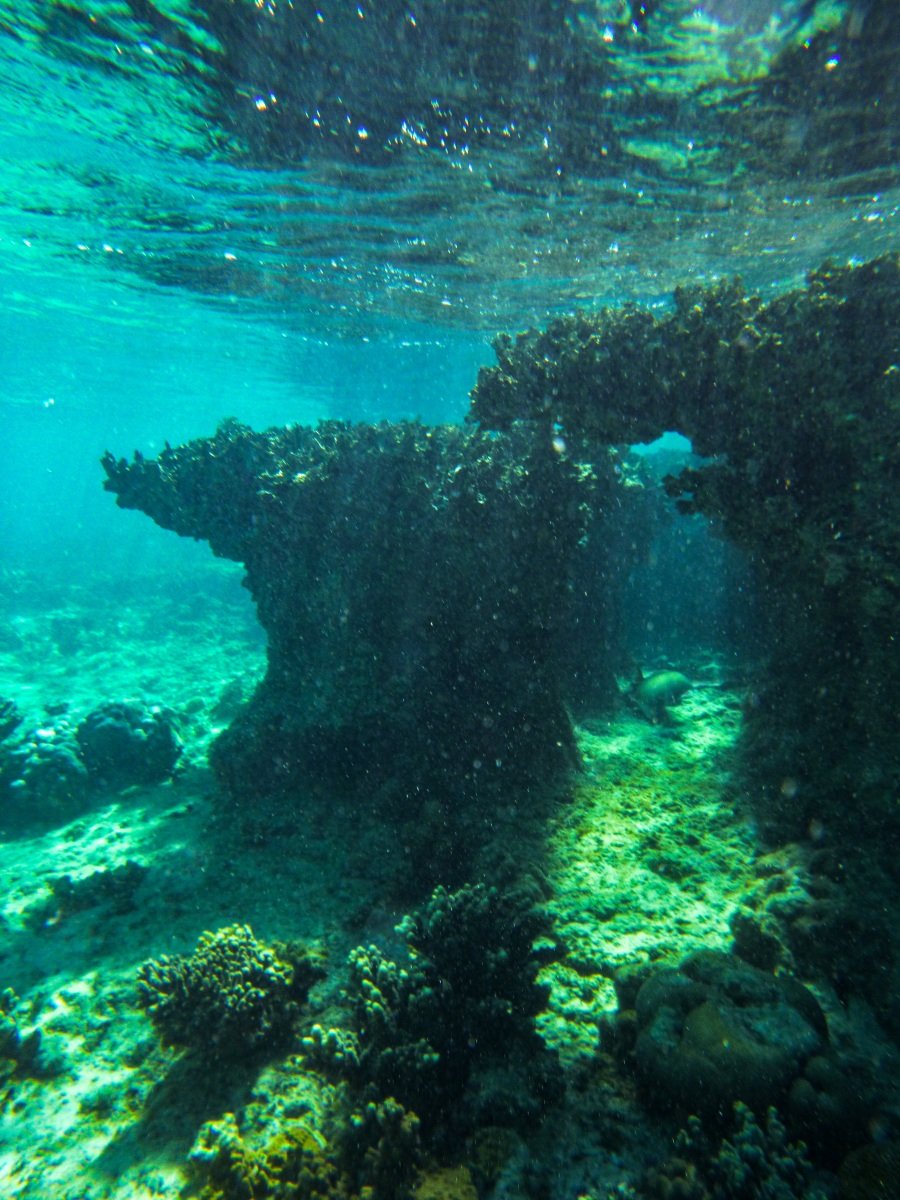
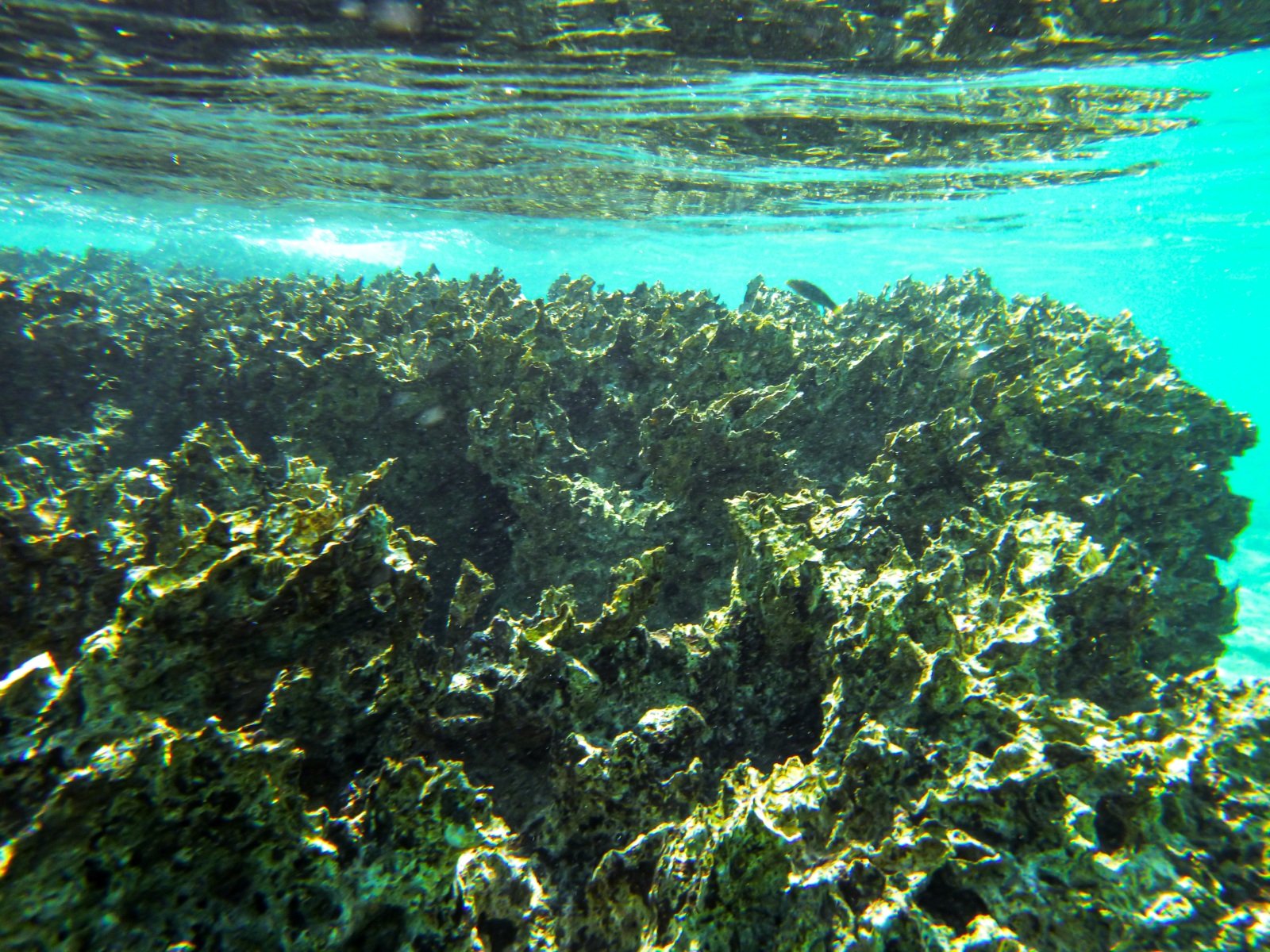
We started with Oyster Stacks because the tide was high in the morning, and at low tide there isn’t enough depth to swim in. Here pillars of oysters form shapes for fish to swim among and creatures nestle between marine crags.

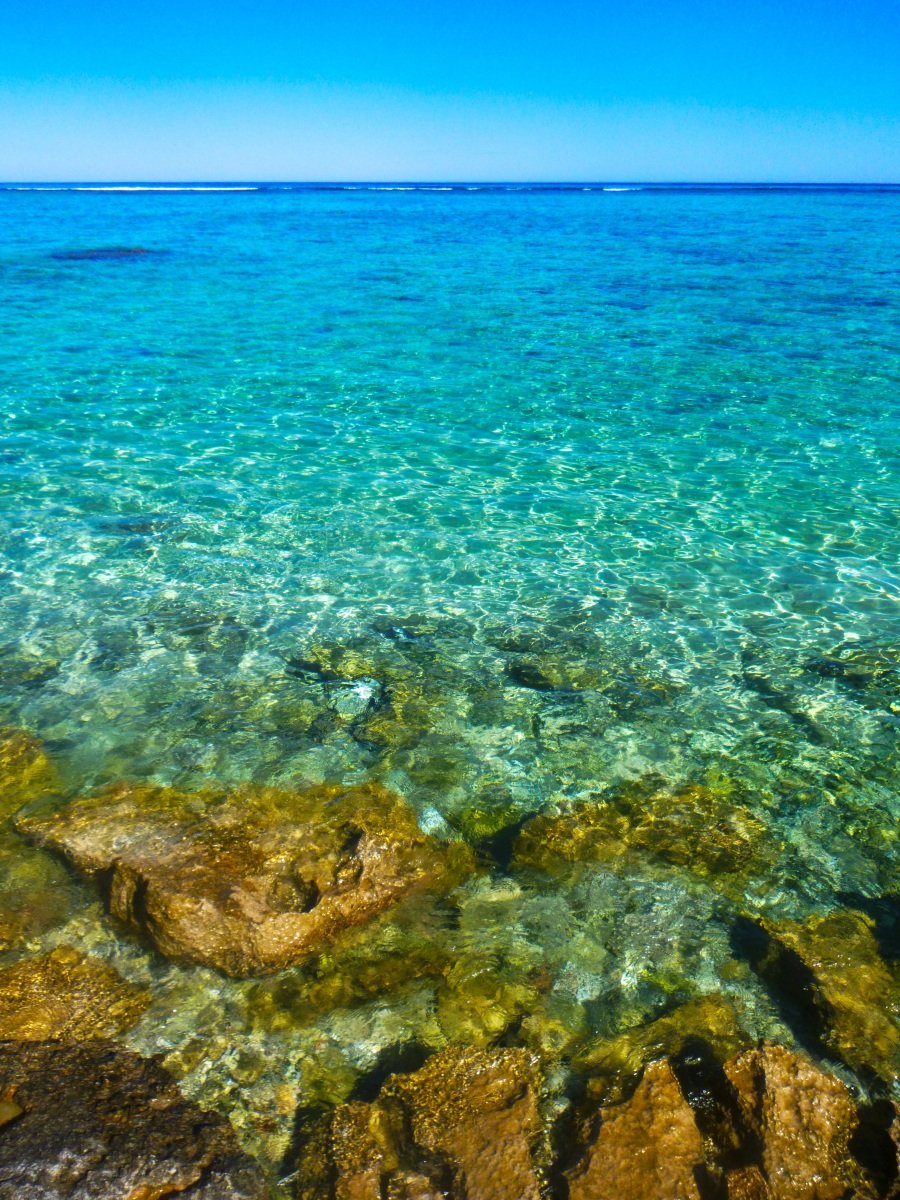
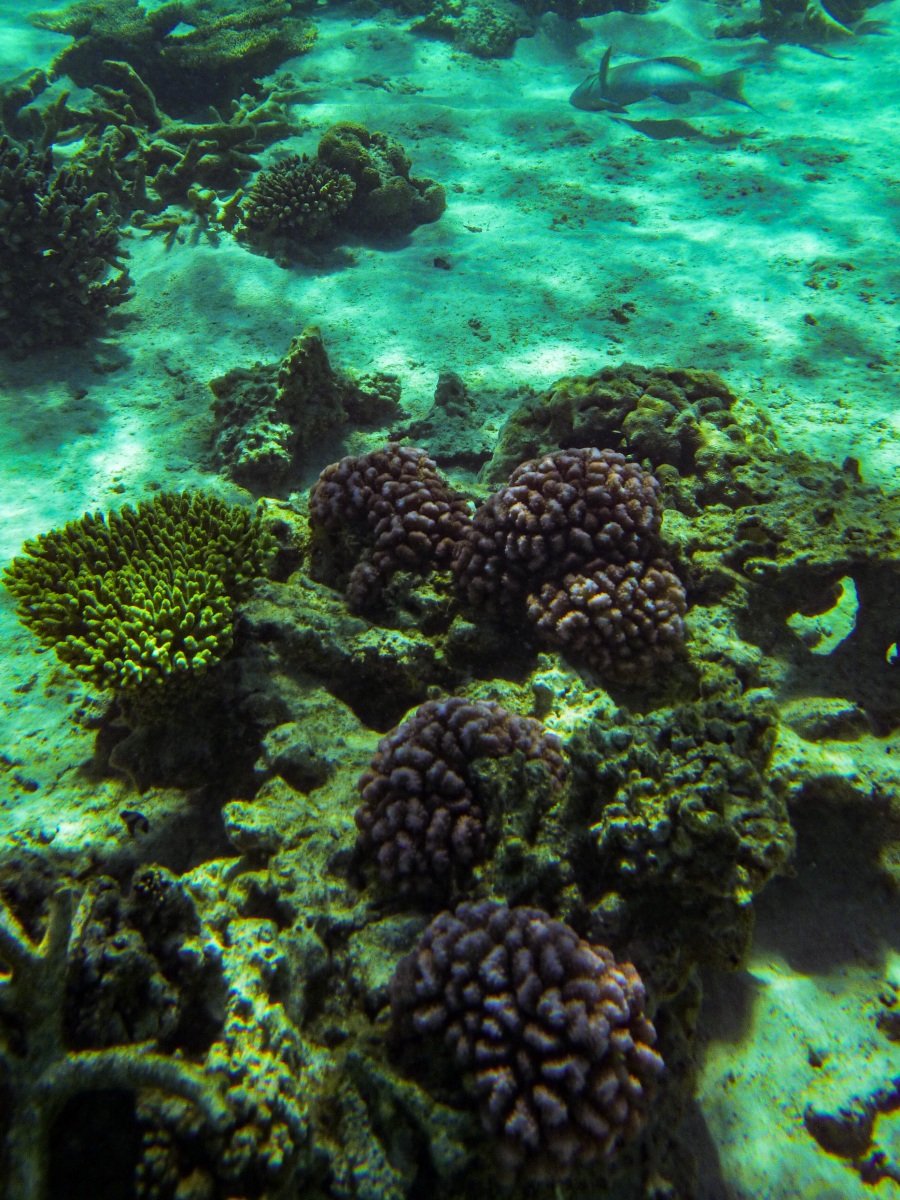
At Turquoise Bay colourful coral in elaborate shapes punctuate the sea floor. Like Kakadu where Anna’s joyful excitement at the bird-life also brought me great happiness; today it is the abundance and variety of fish which prods Anna into a child-like proudness to name and discover every fish she can. I am given a personal tour with my excited tour-guide wildlife-loving wife and I couldn’t be happier.

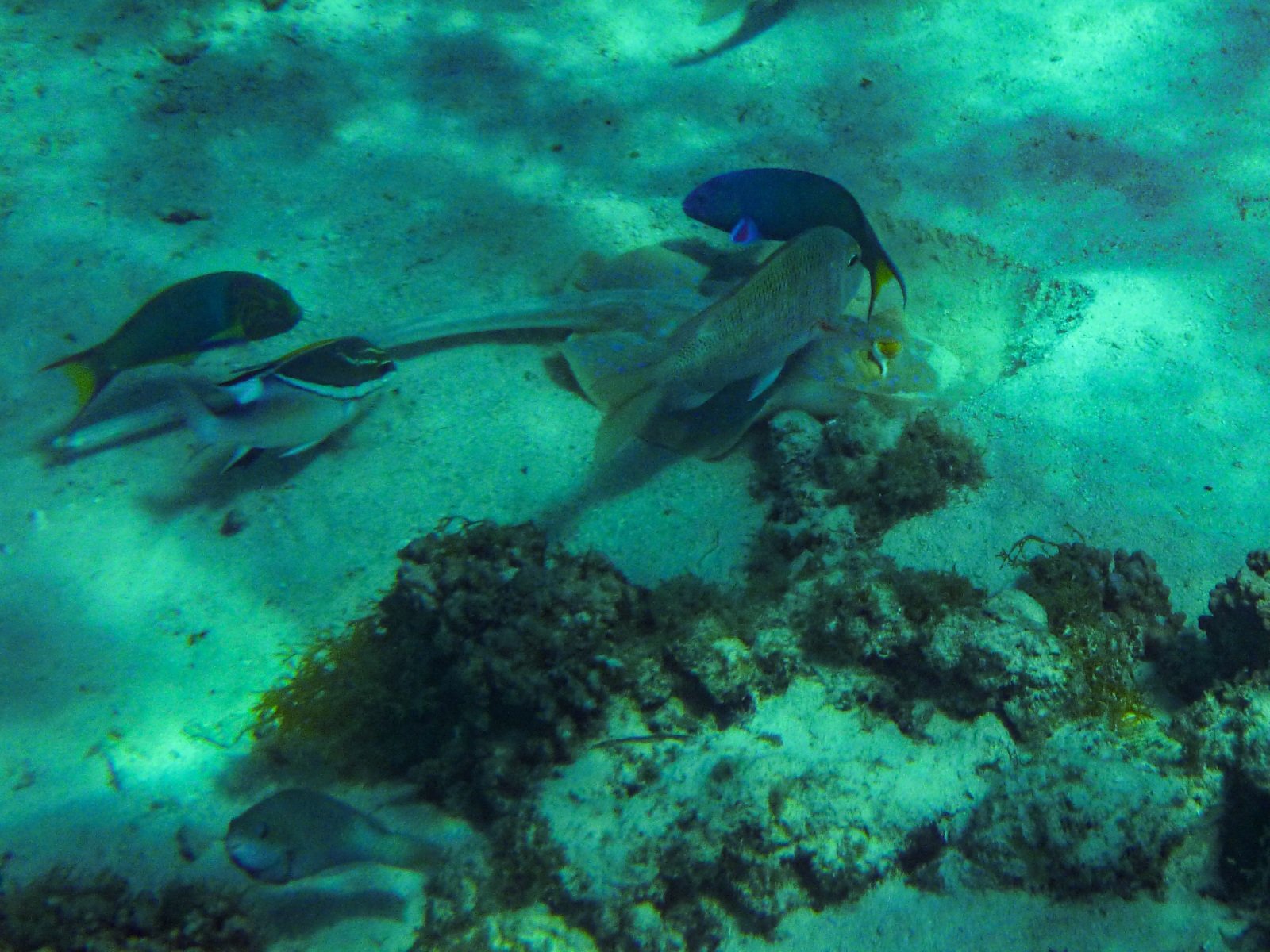
We even get to follow some 1-2 metre reef sharks, a sting ray and a turtle!

Cape Range — first whale shark cruise

I really don’t have any expectations for the cruise today. It’s never occurred to me to swim with any animal marine animal, the whole thing is an adventure with no risk – if we don’t find a whale shark, I’ll have a boat ride on these beautiful waters.

The boat ramp is quite close to our campsite. While we wait for the bus of people from Exmouth we get chatting to some other people who are on the cruise too. And as usual they’re from the east coast, this time it’s a family from Nelson Bay! So we compare notes on our trip so far, and escaping from the lockdown at home in NSW. The bus arrives and we board the boat.

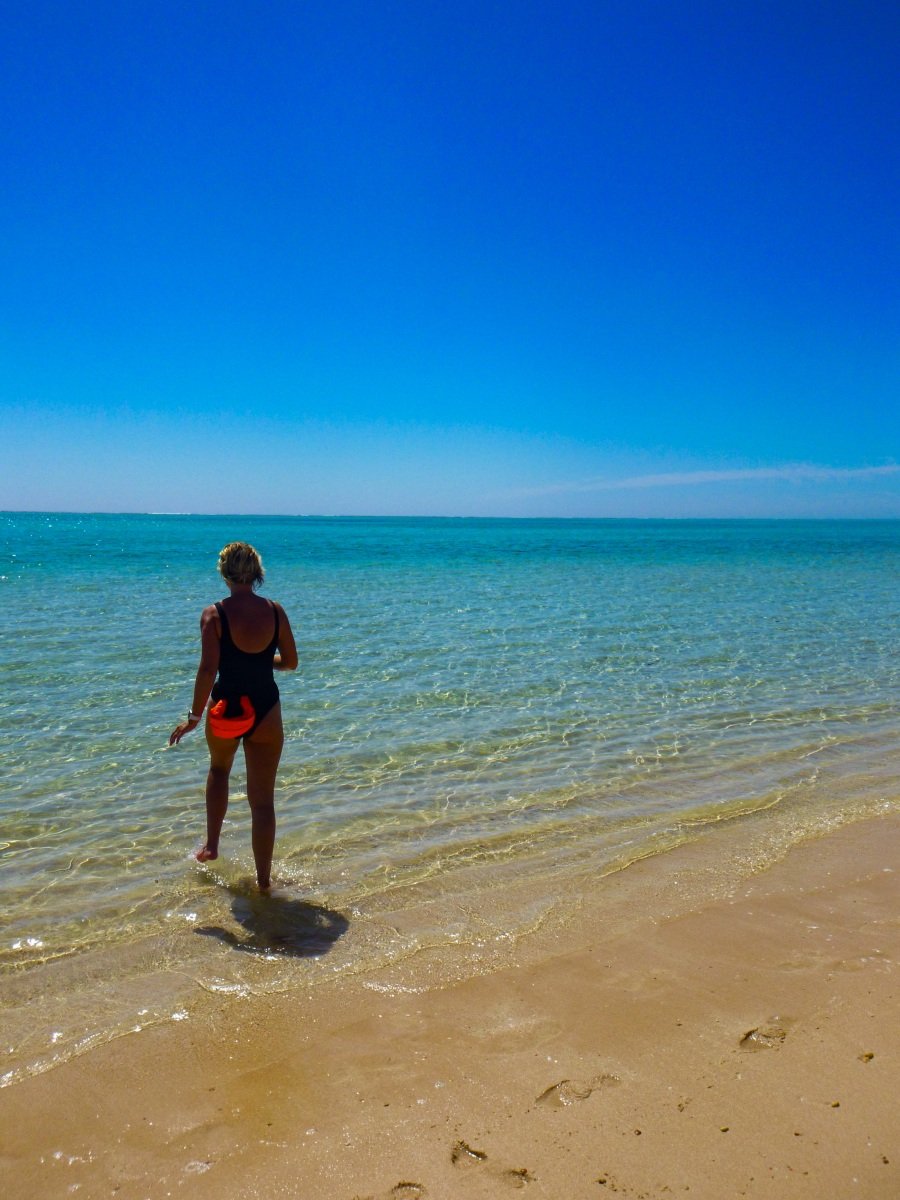
On board, the water is clear to the sand below and sparkling with shafts of sunlight. We’re given a safety briefing and fitted for snorkels and fins.

We head into deeper water for a practice in the gear. Getting back onto the boat is a trick of timing, and I’m glad to watch others before jumping back aboard. As we’re getting back in, the captain says that the light aeroplane has spotted a whale shark, and we set off to intercept it.

The instructors explained how we’d be swimming with the whale sharks: our photographer would enter the water first and swim alongside the shark, signalling its direction; then half the swimmers would be dropped into the water ahead of the shark and one instructor would get them to form a line; as the shark swam by the group would begin swimming parallel to the path of the shark. As the group tired they would re-form. Meanwhile the boat would drive the other half of the swimmers further ahead of the shark and they would form a line in the water; then the boat would continuously leap-frog one group ahead of the other. Some aspects of this were easier said than done, others were the converse!

As we approached the whale group 1 was sitting on the back of the boat while we (in group 2) waited and watched. In an excited confusion the group disappeared into the water and the boat set off further in front. And quickly we were in the water too, about 100 metres ahead of the whale. The first group stopped swimming and formed a group.

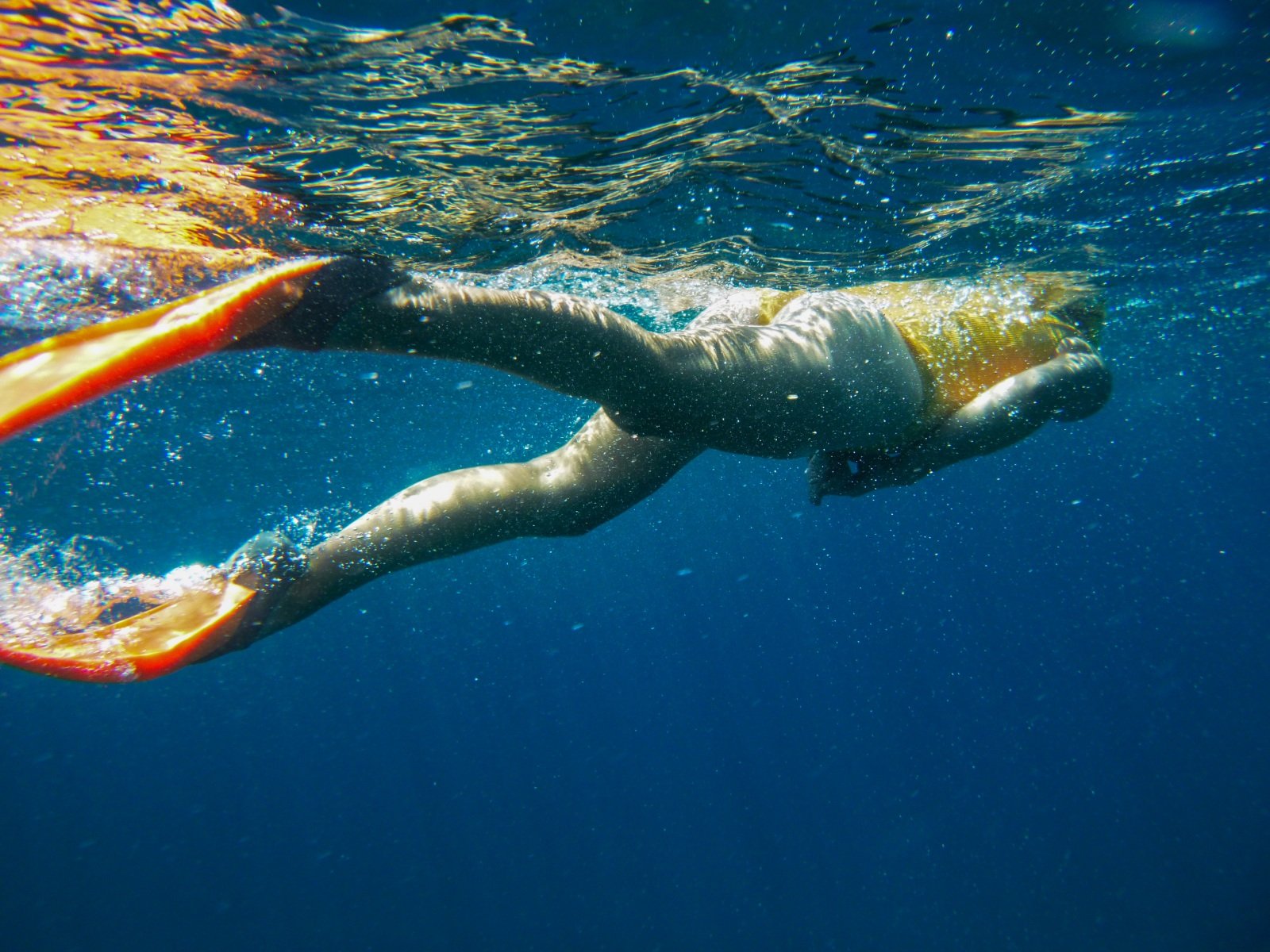
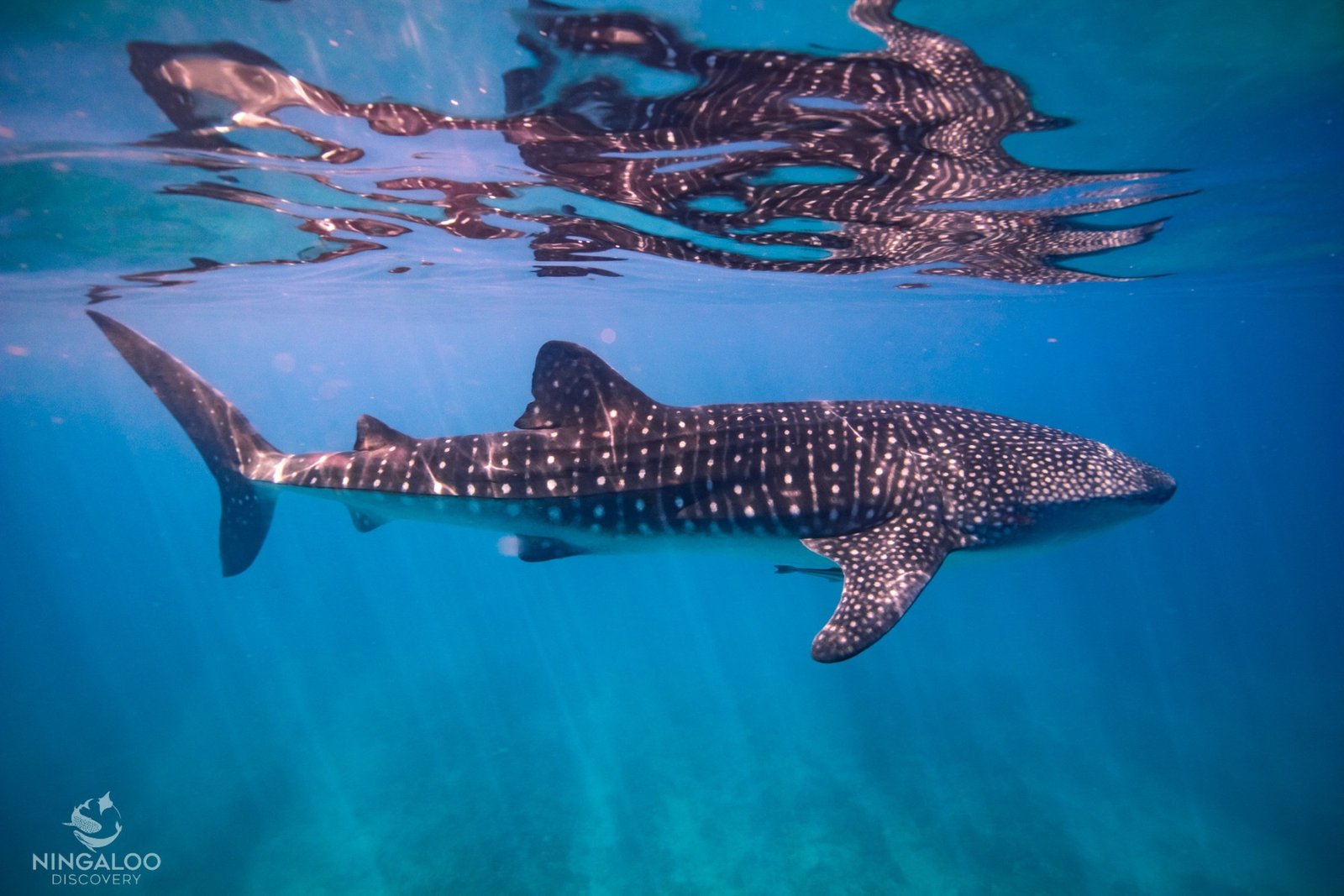
The water was colder here and the instructor was urgently trying to form us into a line so we weren’t directly in front of the shark. I was nervously shivering as the instructor told us to look under the surface to see the approaching whale shark. It was hard to see at first, but a distant shadow rapidly became a giant animal gliding and flexing towards us! As its eye came alongside we started swimming, and I was suddenly surrounded by a mass of flippers, bubbles and arms – and somewhere a whale!

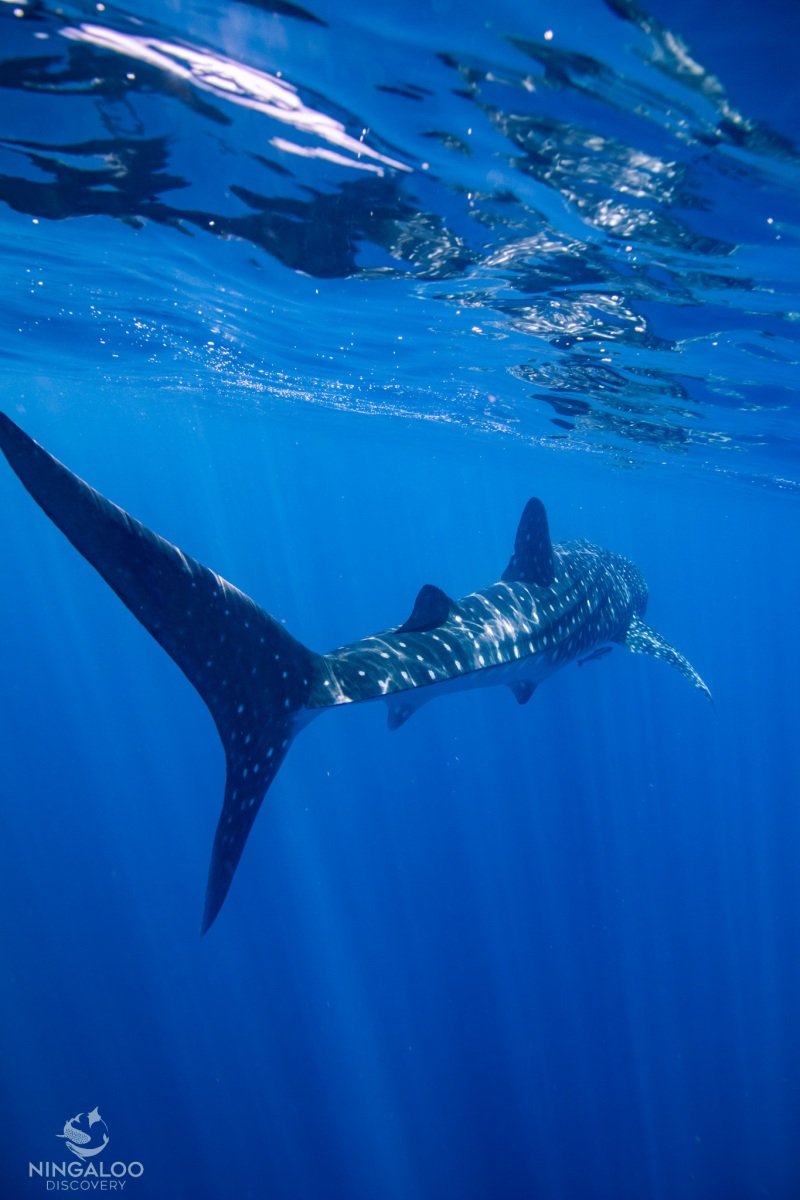
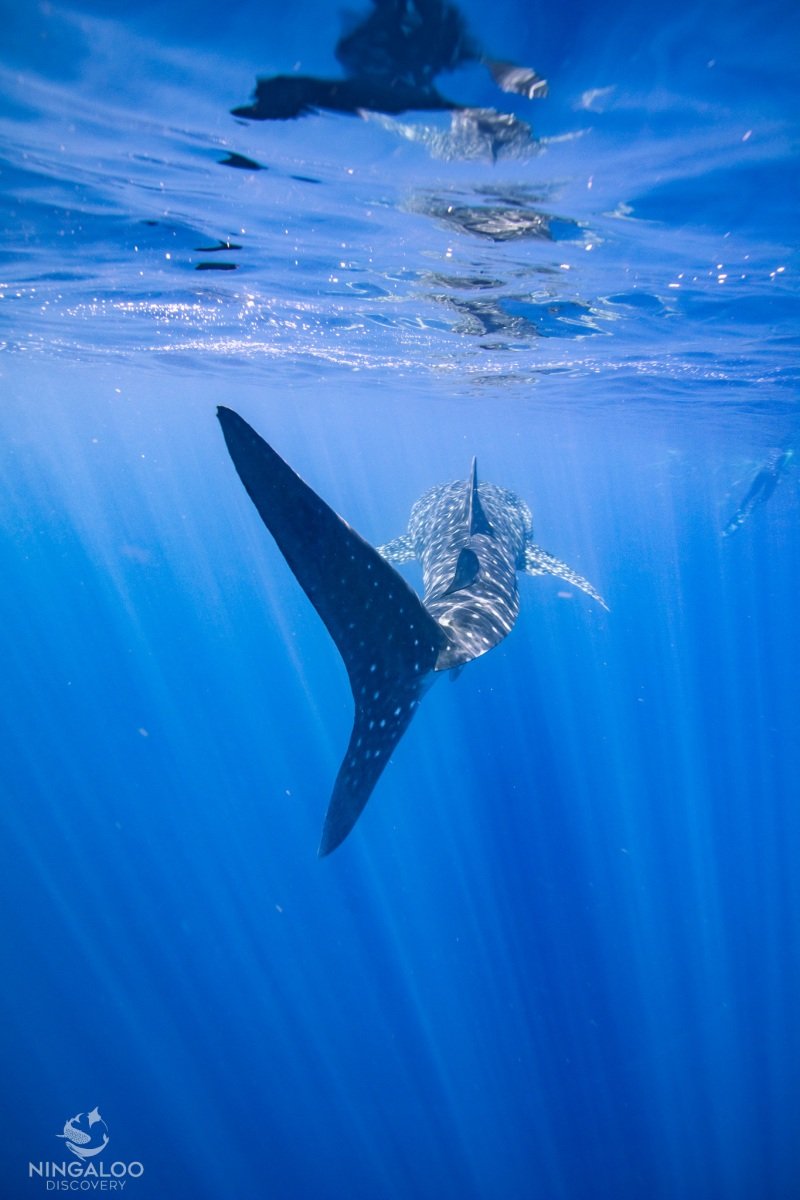
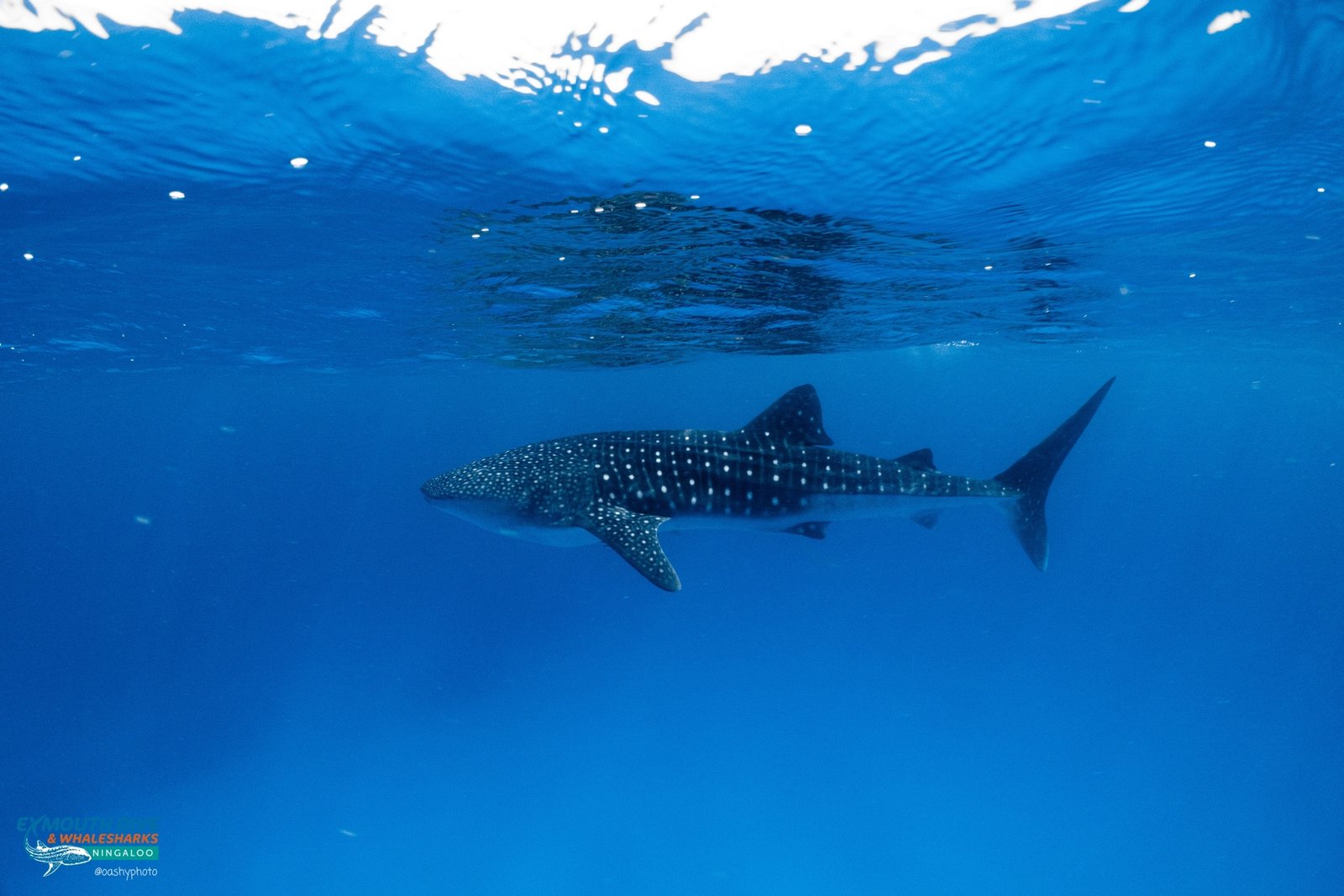
After a minute I took up a position directly behind the whale, feeling the huge surge of water thrown back by its sweeping tail. That alone we great fun to appreciate. The wide, dotted body cut an effortless path through the ocean, casting a long dark shadow far below.

Our instructor called us to stop swimming, we reformed the group and clambered back on to the boat. So (a) following instructions: easier done that said (or explained, at least); and (b) swimming alongside whale shark: easier said than done!

But our second and the third swims became far easier. The group knew what to expect and how to arrange ourselves. The instructor also told Anna and me to swim onto the other side of the whale shark because we were fast enough swimmers, and that would get us away from the group. This proved very good advice.

Just like the snorkelling in Coral Bay, the subsequent swims became more peaceful and gave me time to appreciate what I was witnessing first-hand: the mesmerising gentleness of this great animal.

I cooked a steak for dinner. Some fat collected on the stove and caught fire (the steak was done cooking by then anyway). As I was taking the steak off the stove and serving, one of the other other campers ran in with his fire extinguisher at the ready, pin pulled and nozzle pointing at dinner! I was really shocked by his sudden appearance and asked him to kindly not spray foam on my food. He grew rapidly embarrassed and quite defensively told me he was the safety officer at an industrial site so he was right to make sure no fire took hold of the camp (I suppose the fact it was mostly sand and rock hadn’t occurred to him…). When he got back to his camp and we started eating we heard his wife say, “You didn’t run over with a fire extinguisher did you? Not again!?”
Cape Range — day 1

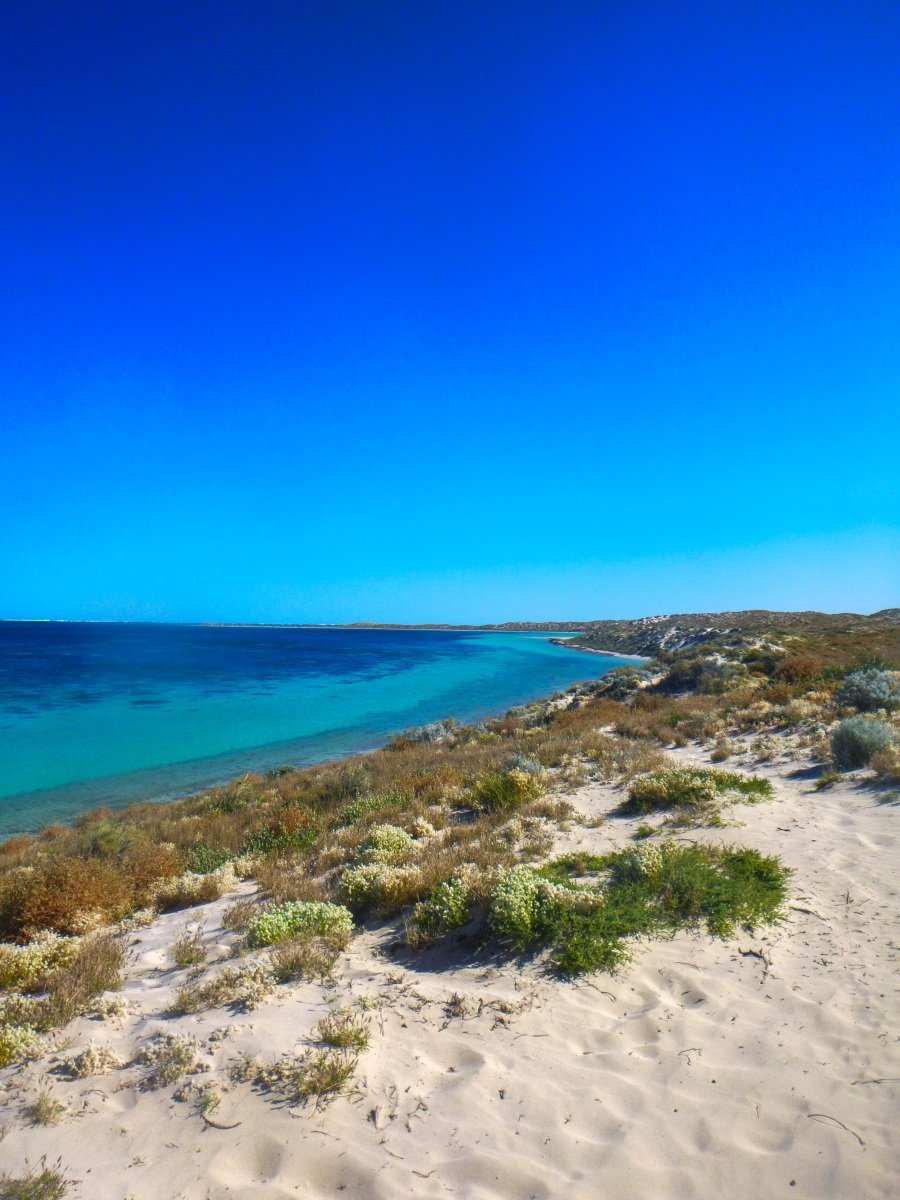
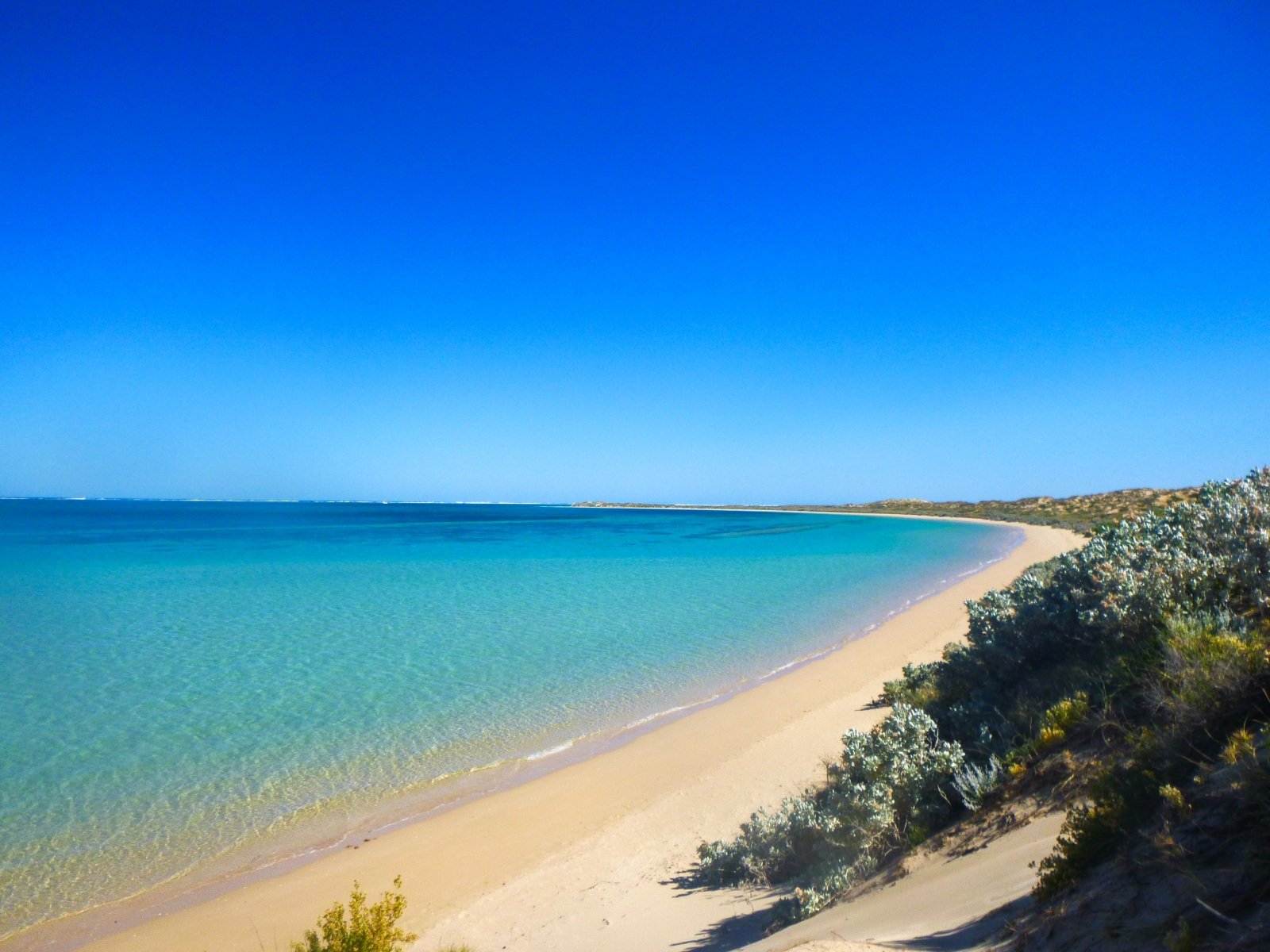
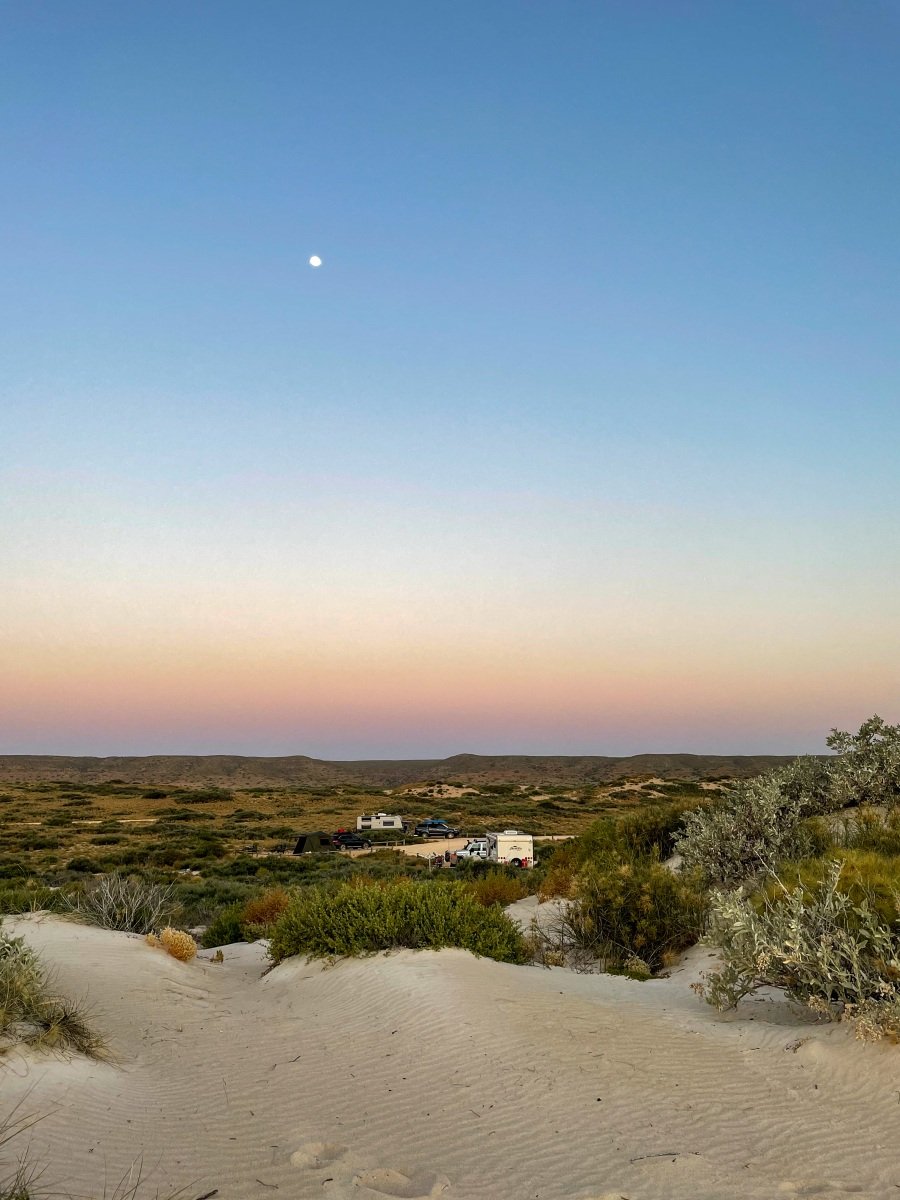
North from Coral Bay, on the western side of Cape Range are a series of campgrounds. They have no running water, most don’t have facilities at all, but they are along an amazing coast. It’s really a continuation of the Coral Bay environment. We’ll head here for the next four days.

But before leaving Coral Bay, there’s a shark nursery that fills up with baby sharks at certain times of day. Apparently we’re at the wrong time of day, because as beautiful as the bay is, there aren’t any sharks in sight! Never mind…

Driving back north, we stop into Exmouth to stock up on food and water. And to book a whale shark tour. Some friends recommended a particular tour group to us so we book with them in a couple of days’ time. But we are here out of the season and we have heard that were whale sharks about yesterday. So to double our chances, and feeling a little urgent, we book a second tour for tomorrow (!)

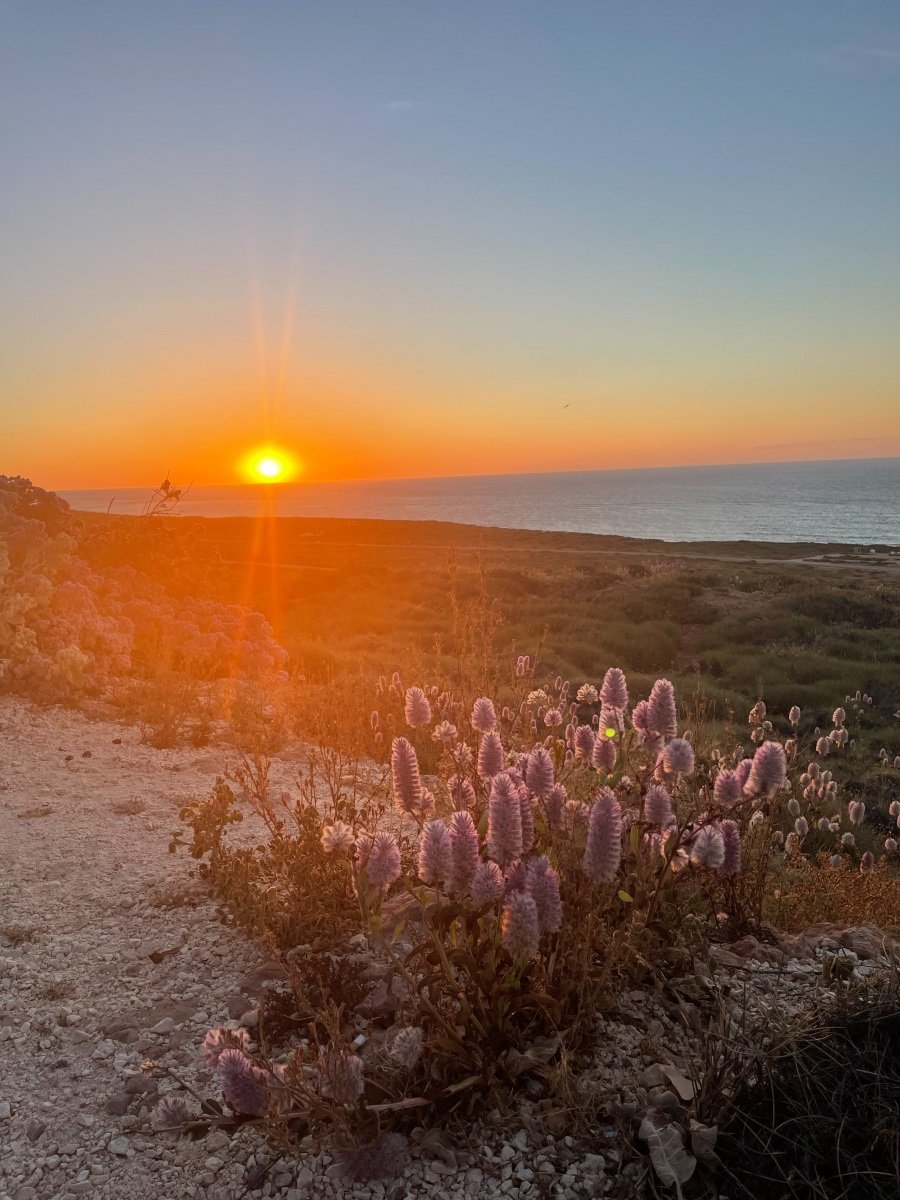
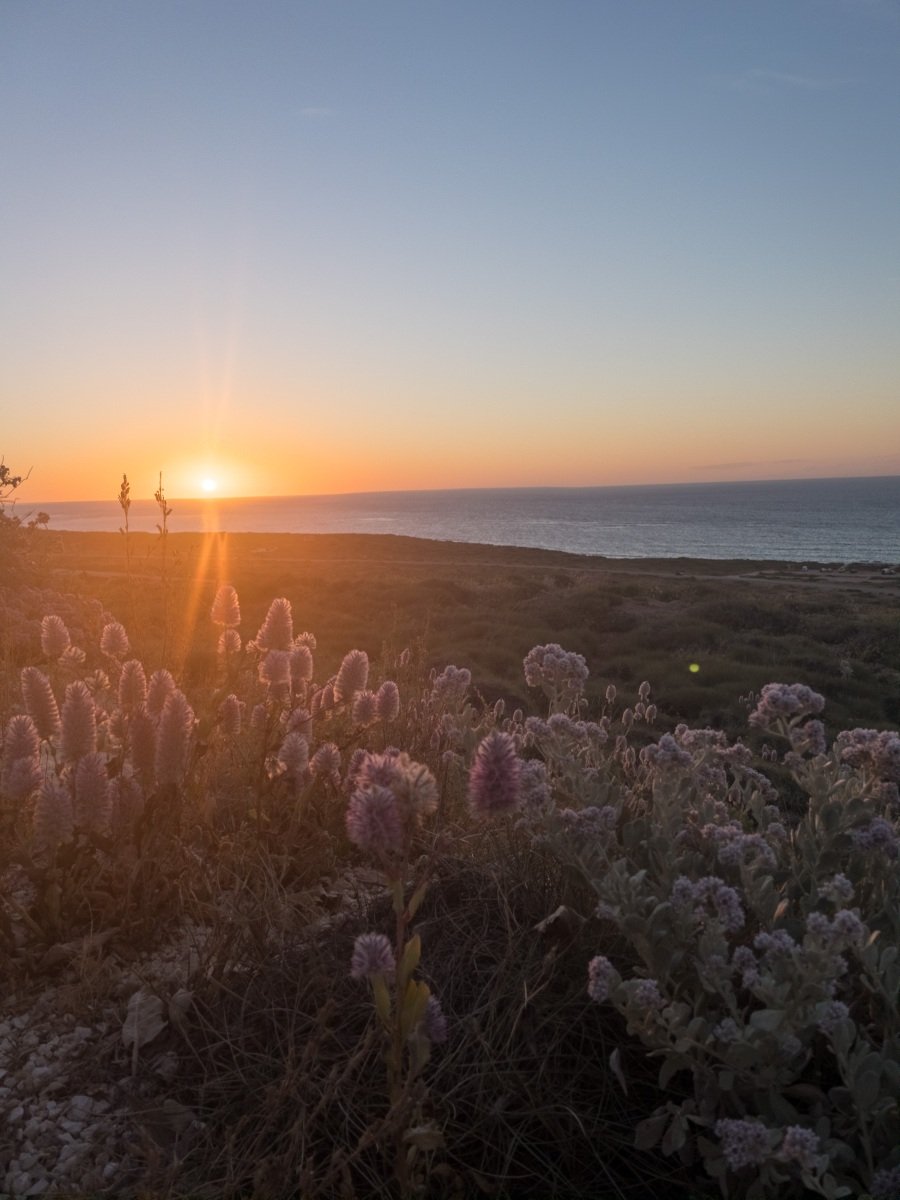
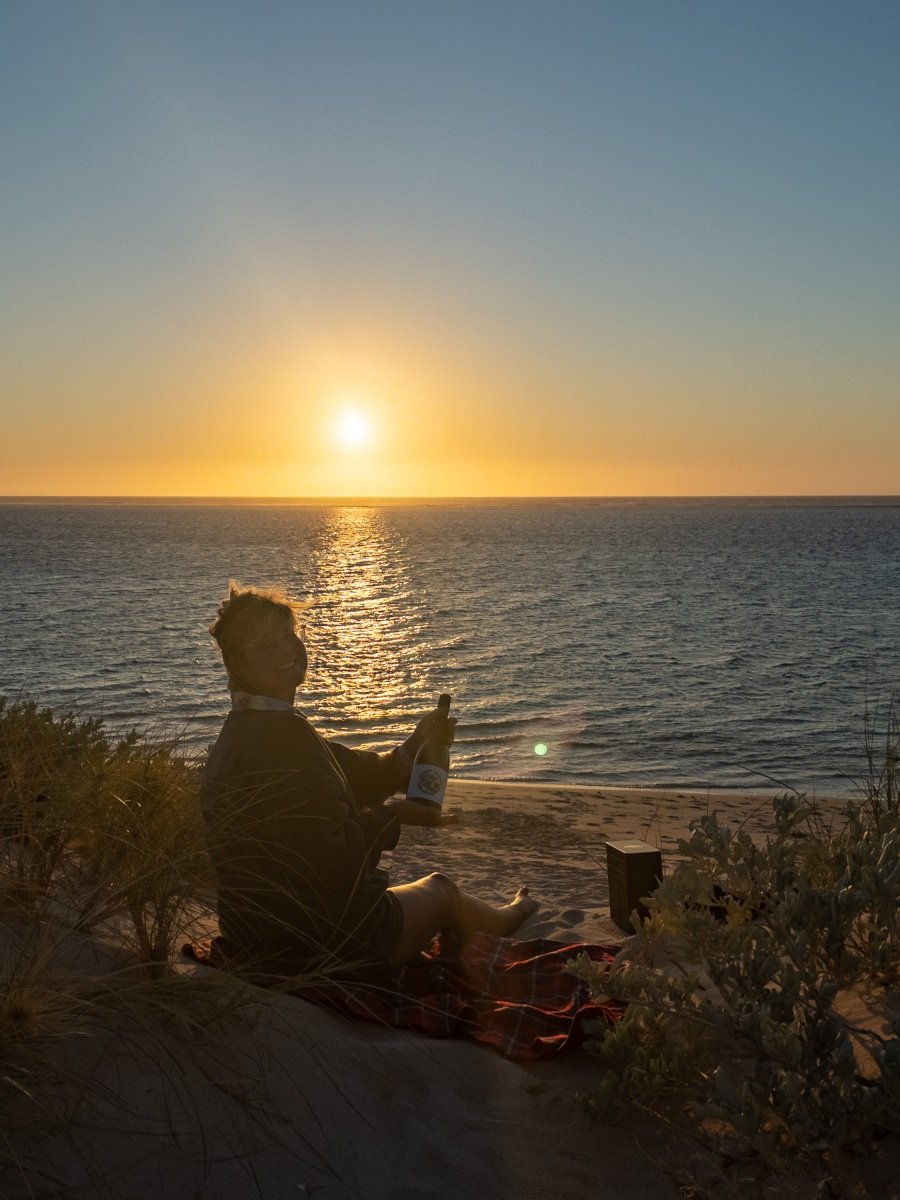
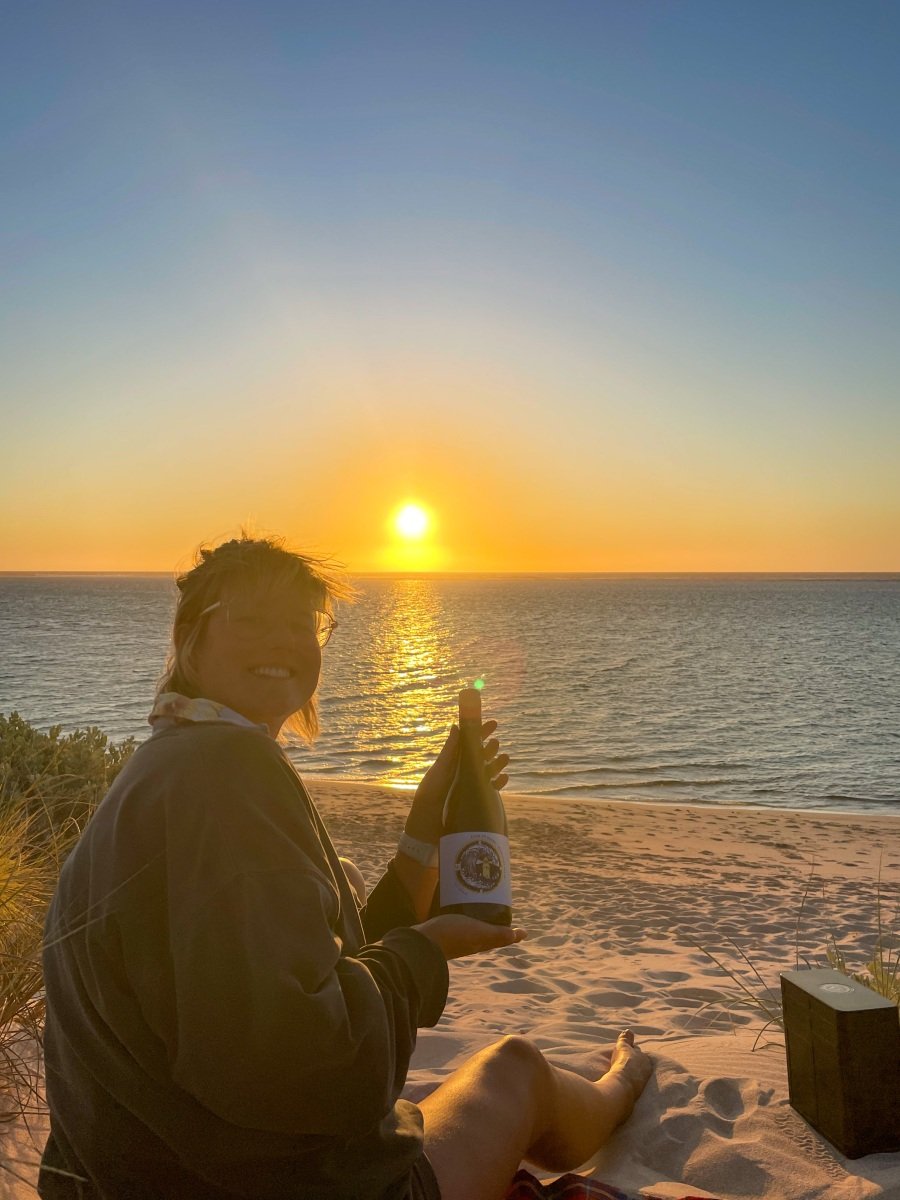
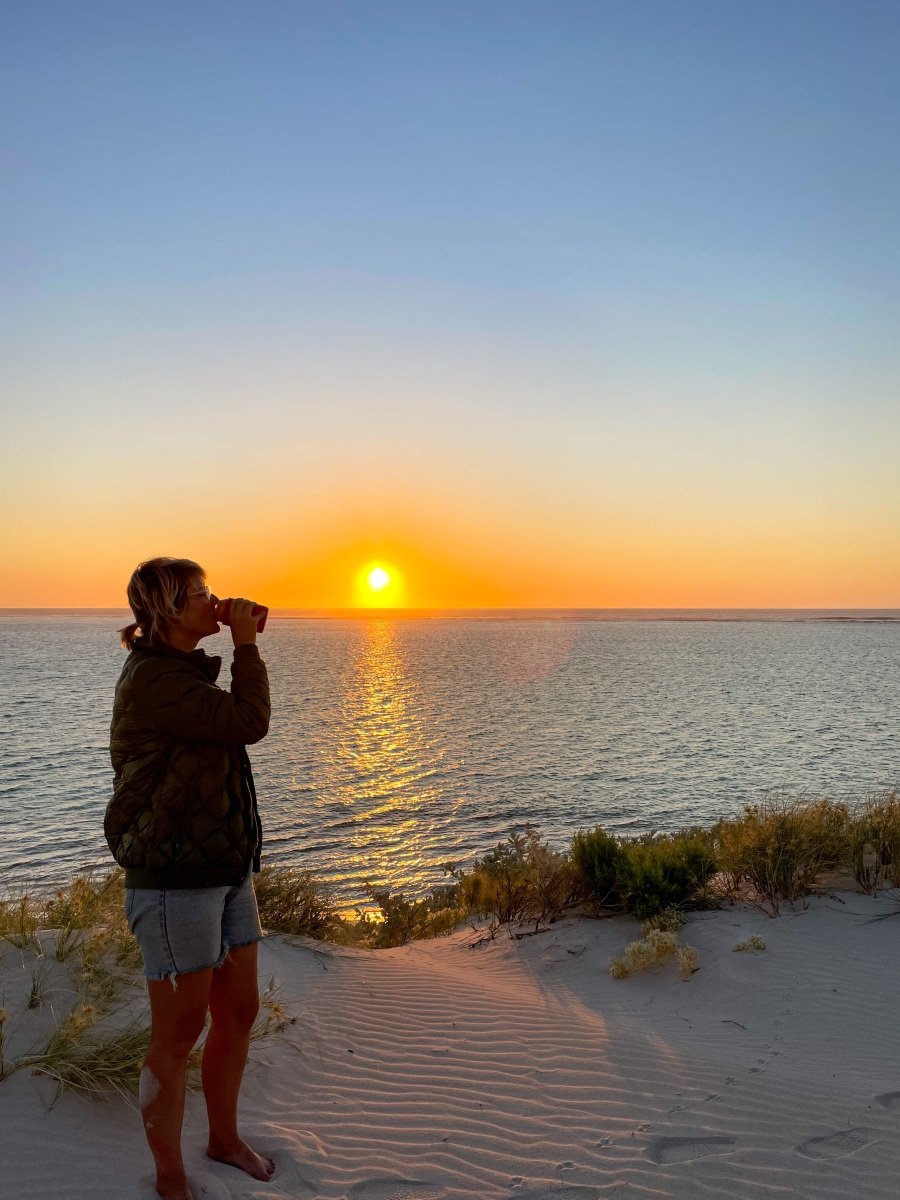
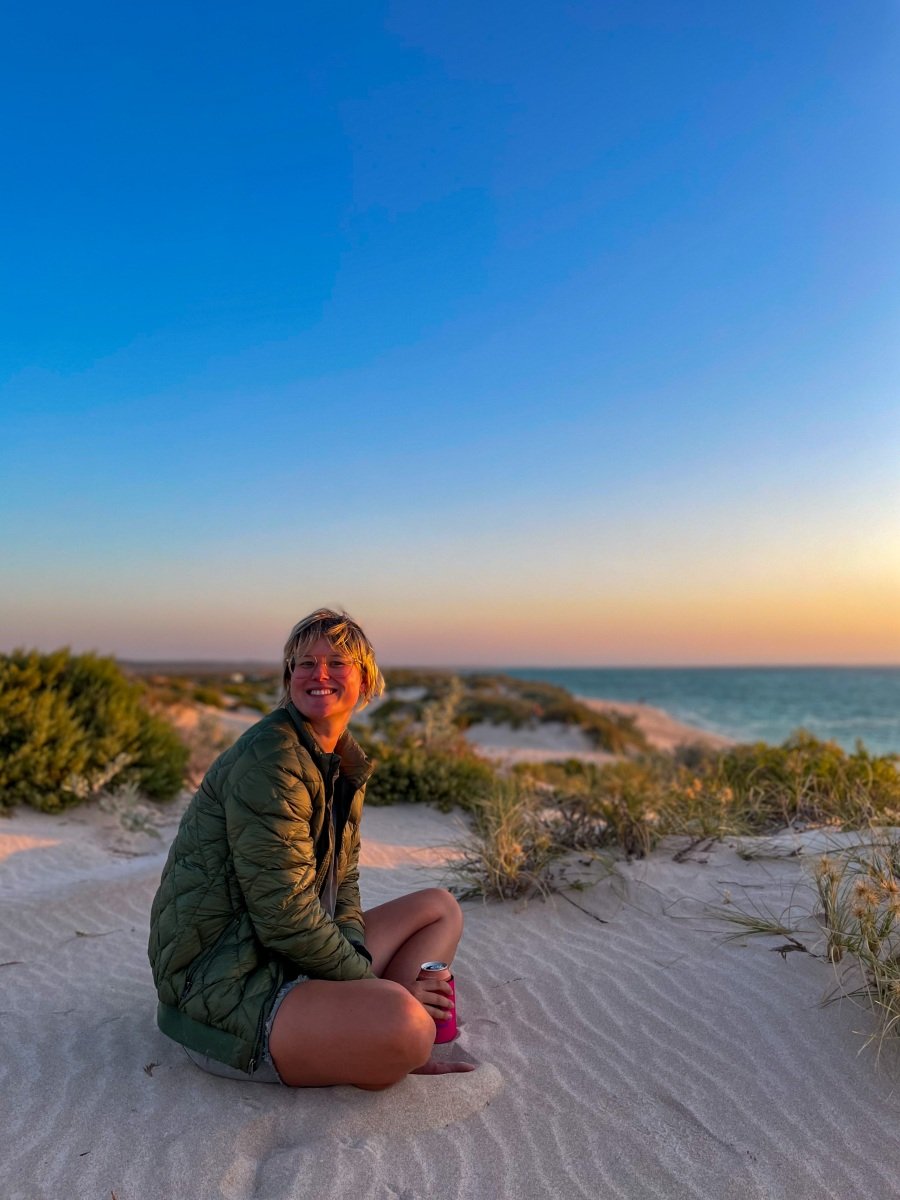
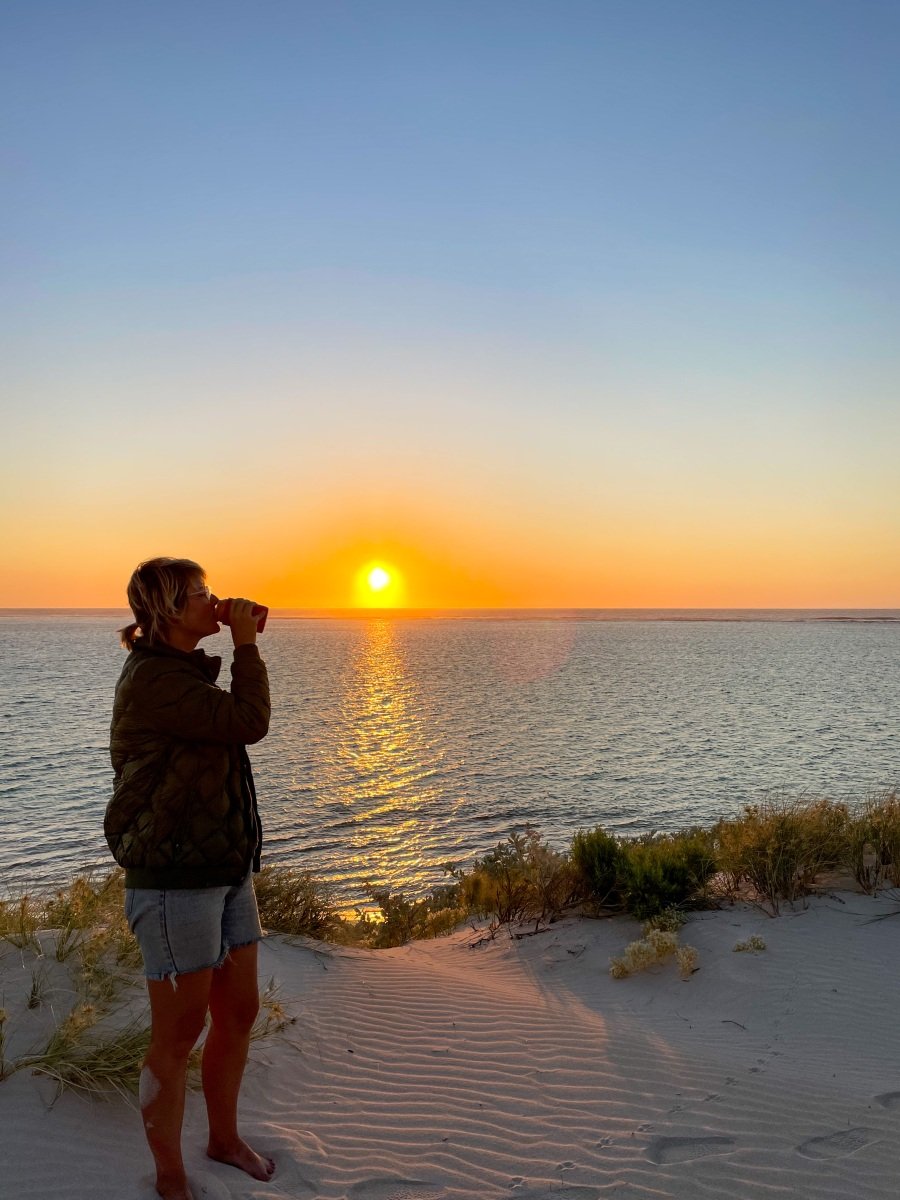
With Donna loaded for four days of supplies we set off around the peninsula. It take nearly two hours, driving north around the lighthouse and then back south through low lying windswept grasslands. We pass the visitor centre and then the boat ramp and various water-access roads. Eventually we reach our campground with just enough time to setup and walk up the dune behind us in time to watch the sunset with a glass of wine.